




Antiviral treatments for Hepatitis B are highly effective at suppressing the virus to undetectable levels, which significantly reduces the risk of progressive liver damage and long-term complications. While these medications are generally not considered a complete cure in the sense of removing the virus entirely from the body, they are successful at controlling viral replication and allowing the liver to stabilise or even heal. In the United Kingdom, the management of chronic Hepatitis B involves a long-term strategy where medication is used to prevent the development of cirrhosis and liver cancer. Clinical outcomes for patients on consistent antiviral therapy are generally very positive, allowing many individuals to live a normal life span with well-managed liver function.
What We’ll Discuss in This Article
- The primary goals of antiviral therapy for chronic Hepatitis B.
- The biological mechanism of how nucleoside analogues work.
- How effectiveness is measured through viral load and liver enzymes.
- The impact of long-term treatment on preventing liver scarring.
- Differences in effectiveness between different types of medication.
- The importance of medication adherence for preventing viral resistance.
The Goals and Success of Viral Suppression
The most important measure of effectiveness for Hepatitis B antivirals is the achievement of an undetectable viral load, which indicates that the medication is successfully stopping the virus from replicating. The NHS states that while most people with chronic hepatitis B will need to take medication for many years or even for life, these treatments are very effective at keeping the virus under control and preventing liver damage.
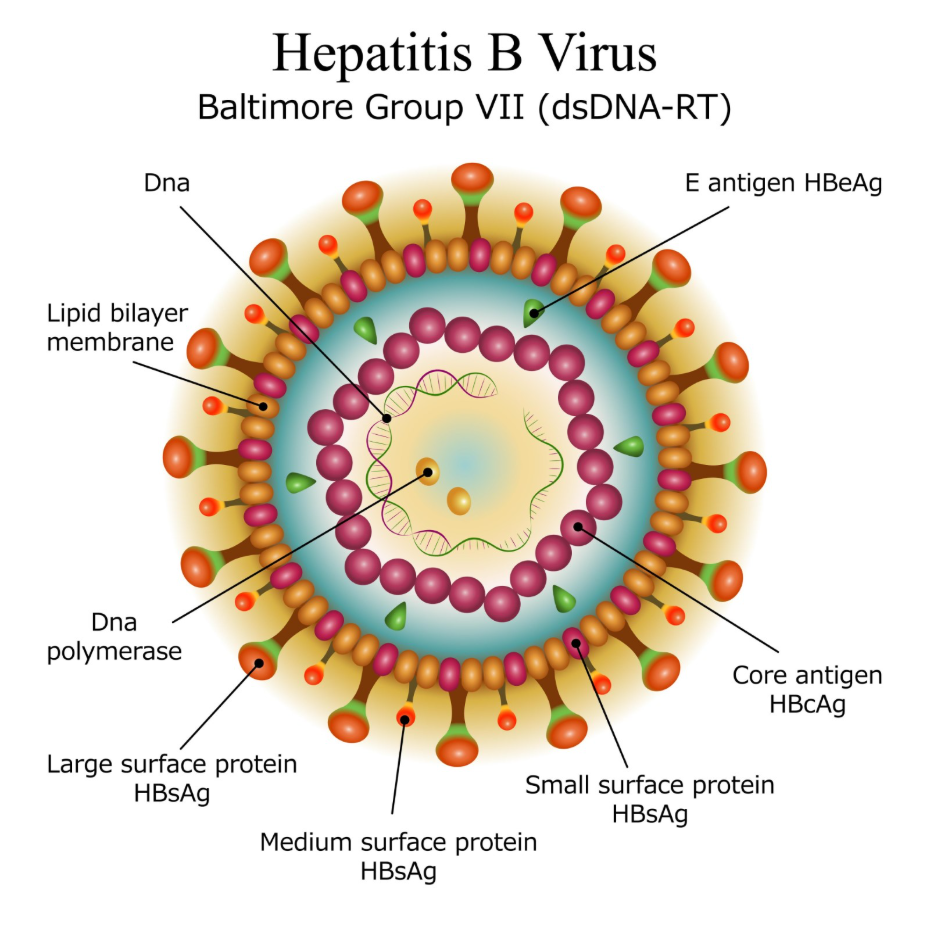
When the virus is suppressed, the ongoing inflammation in the liver subsides. This allows the liver to maintain its essential functions, such as filtering toxins and producing proteins. Effective suppression also significantly lowers the risk of transmitting the virus to others. While a functional cure, where the body clears the surface antigen entirely, occurs in only a small percentage of patients, the primary success of treatment is measured by the long-term preservation of liver health and the prevention of life-threatening complications.
Mechanisms of Action: Nucleoside and Nucleotide Analogues
Most patients in the UK are treated with oral medications known as nucleoside or nucleotide analogues, which are highly effective at blocking the enzyme the virus uses to copy its genetic material. By mimicking the building blocks of viral DNA, these drugs trick the virus into incorporating them into its replication chain, which effectively stops the process of making new virus particles.
Commonly prescribed medications in the UK include tenofovir and entecavir. These drugs are chosen for their high potency and their high barrier to resistance, meaning it is very difficult for the virus to mutate in a way that makes the drug stop working. NICE clinical guidelines recommend these specific antivirals as first-line treatments because they have been shown to be exceptionally effective at achieving long-term viral suppression with a low risk of side effects.
Impact on Liver Scarring and Cancer Risk
Antiviral treatment is highly effective at slowing or even partially reversing the progression of liver scarring, known as fibrosis. By removing the constant insult of viral replication, the liver’s natural regenerative abilities can sometimes repair early-stage damage. In patients who already have advanced scarring, known as cirrhosis, effective treatment can stabilise the condition and prevent the liver from failing.
Furthermore, consistent viral suppression significantly reduces the risk of developing hepatocellular carcinoma, the most common form of primary liver cancer. While the risk is not eliminated entirely, especially if damage was present before treatment started, the likelihood is much lower in patients whose virus is well-controlled. This long-term preventative effect is one of the most critical aspects of the medication’s effectiveness in public health.
Comparing Oral Antivirals and Peginterferon
While oral daily tablets are the most common treatment, some patients may be suitable for a different type of therapy called peginterferon alfa-2a. This is a weekly injection administered over a fixed period, usually 48 weeks, and works by boosting the body’s own immune system to attack the virus.
| Treatment Type | Administration | Typical Duration | Primary Benefit |
| Oral Antivirals | Daily Tablet | Long-term / Lifelong | Highly effective suppression; very few side effects |
| Peginterferon | Weekly Injection | 48 weeks | Chance of immune clearance after fixed term |
The effectiveness of peginterferon is varied; while it offers a higher chance of a functional cure in a shorter timeframe, it is only suitable for certain patients and often carries more significant side effects like flu-like symptoms. Oral antivirals are generally considered more effective for the broad population of chronic Hepatitis B patients because they provide consistent, predictable suppression over many years with excellent tolerability.
The Importance of Treatment Adherence
The effectiveness of any Hepatitis B treatment is strictly dependent on the patient taking their medication exactly as prescribed. Missing doses can cause the levels of the drug in the blood to drop, giving the virus an opportunity to replicate again. This increases the risk of the virus developing resistance to the medication, which would make the treatment less effective or entirely useless.
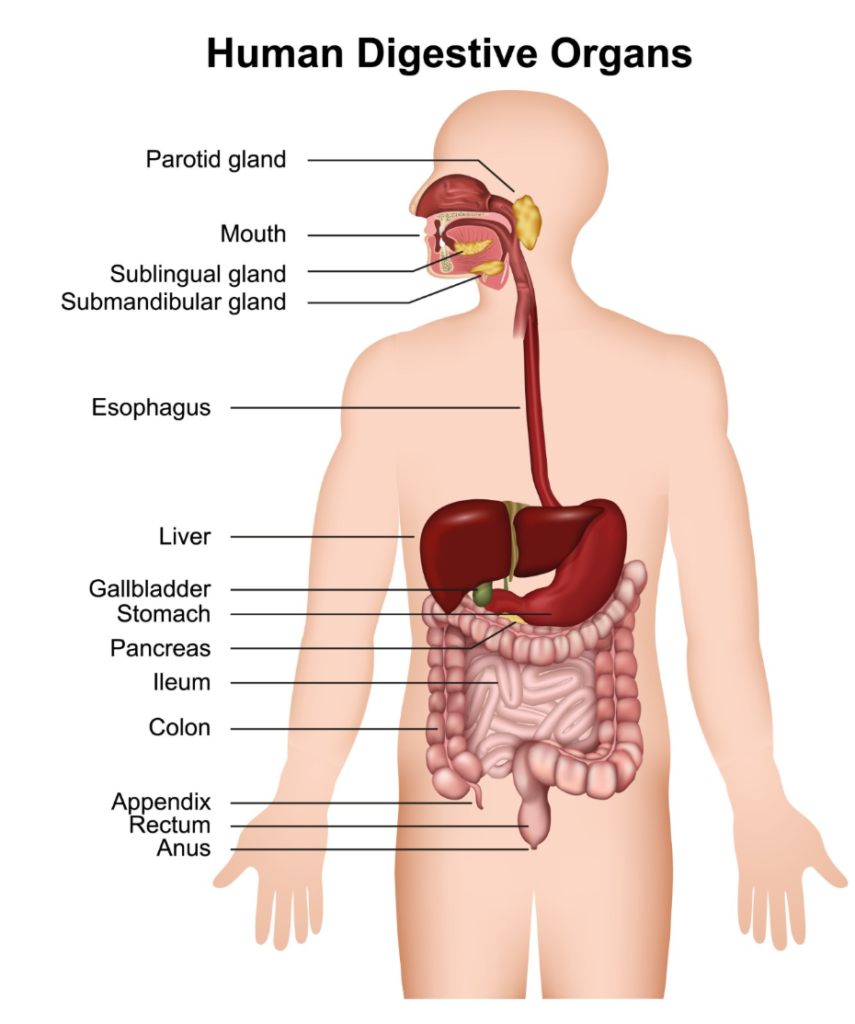
In the UK, specialists monitor adherence through regular blood tests. If a patient’s viral load begins to rise while on treatment, the clinical team will investigate whether the medication is being taken correctly or if the virus has mutated. Maintaining a strict daily routine is the best way to ensure the long-term effectiveness of the therapy and to protect the liver from the return of inflammation.
Conclusion
Antiviral treatments for Hepatitis B are highly effective at suppressing viral replication and protecting the liver from long-term damage such as cirrhosis and cancer. While most people require long-term therapy with daily tablets, the ability to maintain the virus at undetectable levels allows for a positive health outlook. Consistent monitoring and strict adherence to medication are essential to ensure the continued effectiveness of these life-saving treatments. If you experience severe, sudden, or worsening symptoms, call 999 immediately.
Does the medication get rid of the virus completely?
In most cases, the medication suppresses the virus to very low levels but does not remove it entirely from the liver cells.
How will I know if the treatment is working?
Your doctor will perform regular blood tests to check your viral load and ensure your liver enzymes are at healthy levels.
Can I ever stop taking the antiviral tablets?
Stopping treatment is only considered in very specific clinical circumstances under specialist supervision, as the virus often returns if medication is ceased.
Are there many side effects with Hepatitis B tablets?
Modern oral antivirals like tenofovir and entecavir are generally very well tolerated, with most people experiencing few to no side effects.
Can the virus become resistant to the medication?
Resistance is rare with modern first-line drugs, but the risk increases significantly if doses are frequently missed.
Does treatment mean I am no longer infectious?
Suppression reduces the risk of transmission significantly, but it does not eliminate it entirely; you should still take precautions to protect others.
Will treatment fix the scarring already on my liver?
Treatment stops further damage and may allow the liver to repair some early scarring, but advanced cirrhosis is usually permanent.
Authority Snapshot (E-E-A-T)
This article provides medically factual health information regarding the effectiveness of Hepatitis B treatments, strictly aligned with NHS and NICE clinical protocols. The content is developed by a professional medical writing team and reviewed by Dr. Rebecca Fernandez, a UK-trained physician with experience across internal medicine, surgery, and emergency care. All guidance follows current UK public health standards to ensure accuracy and patient safety.



