




The success rate of modern Hepatitis C treatments in the United Kingdom is exceptionally high, with the majority of patients achieving a complete cure after a single course of medication. Since the introduction of direct-acting antiviral therapies in 2015, the landscape of liver health management has been transformed, moving away from older, less effective injectable treatments toward highly targeted oral tablets. These therapies are designed to stop the virus from replicating, allowing the body to clear the infection entirely. Because the modern treatment process is well-tolerated and shorter in duration than previous options, clinical outcomes have improved significantly across all patient groups. Identifying and treating the virus early remains the most effective way to ensure a successful result and to prevent the long-term complications associated with chronic liver inflammation.
What We’ll Discuss in This Article
- The definition of successful treatment and a clinical cure.
- Success rates for direct-acting antiviral (DAA) medications in the UK.
- How the stage of liver disease influences treatment outcomes.
- The typical timeline for confirming a successful result.
- Factors that can impact the effectiveness of the medication.
- Long-term health benefits after the virus has been cleared.
Defining Success: Sustained Virologic Response (SVR)
A successful treatment for Hepatitis C is clinically defined by a sustained virologic response, which means the virus is no longer detectable in the blood several months after the medication course has finished. Achieving this milestone indicates that the virus has been completely eliminated from the body and the infection is considered cured. The NHS defines a cure as having no detectable virus in the blood 12 weeks after the end of treatment, a result that is achieved by more than 9 out of 10 people.
This specific measurement, often referred to as SVR12, is the gold standard for success in UK clinical practice. Once SVR is achieved, the virus will not return on its own, and the person can no longer pass the infection to others. It is important to note that while the virus is gone, a successful cure does not provide immunity against future infections; if a person is exposed to the virus again, they can contract it a second time.
Success Rates of Modern Antiviral Therapies
The success rate for patients completing their prescribed course of direct-acting antivirals in the UK is currently estimated at between 90 and 97 percent. These high rates of effectiveness are consistent across different genotypes of the virus and various patient backgrounds. The UK Health Security Agency reports that at least 95 percent of people in England who received and completed hepatitis C treatment in the last three years have been successfully cured.
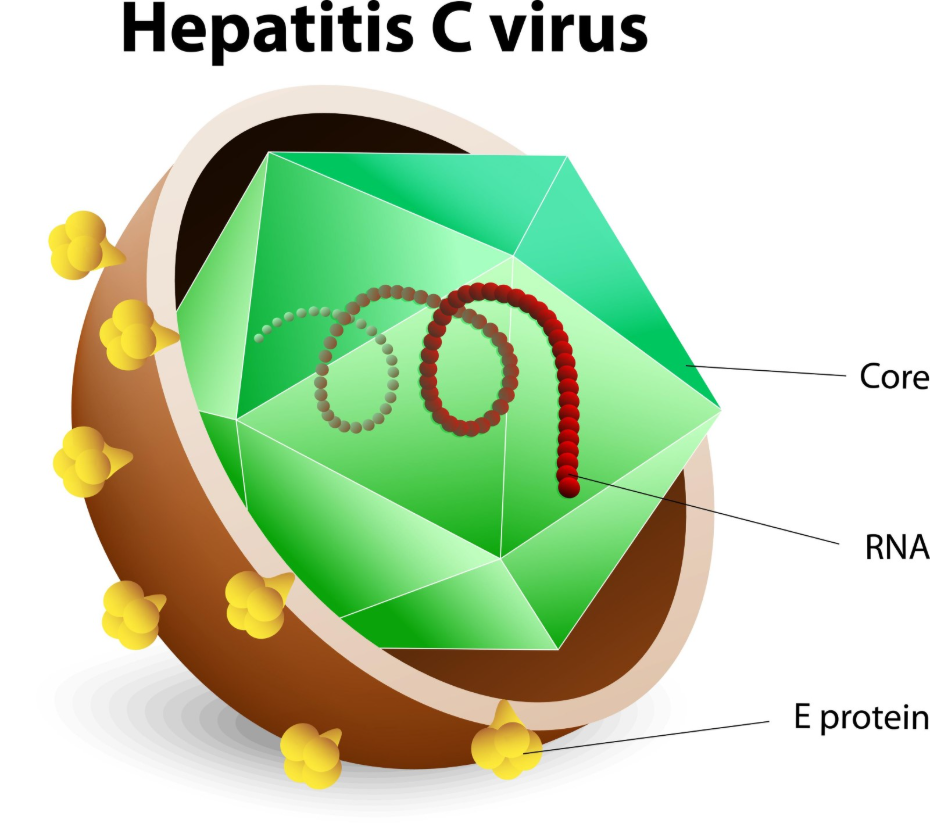
The transition to these newer medications has seen a dramatic increase in success compared to older interferon-based therapies, which had much lower cure rates and significantly more side effects. Because modern tablets are simple to take and usually only require an 8 to 12-week course, more patients are able to finish their treatment as planned, which is a major factor in the high overall success rates seen across the NHS.
Outcomes Based on Liver Condition and Genotype
While the overall success rate is very high, the current stage of an individual’s liver health can slightly influence the treatment outcome. Success rates are generally highest when treatment is started before significant scarring, or cirrhosis, has developed. However, even for those with advanced liver disease, modern medications remain highly effective at clearing the virus and stabilising organ function.
| Stage of Liver Health | Typical Success Rate (SVR) | Primary Clinical Goal |
| No Significant Scarring | 95 to 97 percent | Complete cure and prevention of damage |
| Early Fibrosis | 93 to 96 percent | Stop progression and allow repair |
| Compensated Cirrhosis | 90 to 93 percent | Clear virus and prevent liver failure |
| Decompensated Cirrhosis | 80 to 90 percent | Stabilise liver and evaluate for transplant |
Treatment is also highly successful across all six major genotypes of the Hepatitis C virus. Some specific strains were historically harder to treat, but the latest pangenotypic medications used by the NHS are designed to be effective against multiple genotypes at once. This simplified approach has removed many of the barriers to successful treatment that existed in previous decades.
Factors Influencing Treatment Effectiveness
The most significant factor in achieving a successful cure is strictly adhering to the daily medication schedule. Missing doses can lower the concentration of the drug in the blood, potentially allowing the virus to replicate and develop resistance to the treatment. Completing the full course, even if a person begins to feel better shortly after starting, is essential for ensuring the virus is completely eradicated.
Other factors that can play a role in treatment success include:
- Previous Treatment Experience: While most people are cured on their first attempt, those who did not respond to older treatments may require a different combination of modern DAAs.
- Drug Interactions: Certain other medications or herbal supplements can interfere with how the antiviral tablets work, so all current medicines must be reviewed by a specialist.
- Lifestyle Factors: Avoiding alcohol during treatment is strongly advised to reduce additional stress on the liver and to support the healing process.
Long-Term Benefits After a Successful Cure
Clearing the Hepatitis C virus brings significant long-term health benefits, primarily by stopping the ongoing inflammation that causes liver damage. For individuals without advanced scarring, the liver has a remarkable ability to regenerate and repair some of the early damage once the virus is gone. This leads to a substantial reduction in the risk of liver failure and primary liver cancer.
For those who already have cirrhosis, a successful cure is still vital as it slows the progression of the disease and reduces the likelihood of needing a liver transplant. NHS data indicates that the widespread use of successful antiviral treatments has led to a nearly 40 percent fall in the number of liver transplants required for hepatitis C in the UK. Regular monitoring for liver health and cancer screening often continues for those with advanced scarring even after the virus is cured, to ensure any remaining risks are managed.
Conclusion
The success rate for Hepatitis C treatments in the UK is among the highest in modern medicine, with more than 9 in 10 patients achieving a permanent cure. Modern oral therapies are highly effective regardless of viral genotype or the current stage of liver health, provided the full course of medication is completed. Achieving a sustained virologic response stops liver damage, prevents transmission, and significantly improves long-term survival. If you experience severe, sudden, or worsening symptoms, call 999 immediately.
What happens if the first treatment doesn’t work?
If the initial course is not successful, the NHS provides secondary “rescue” therapies that are designed to clear the virus in those who have failed previous treatments.
Is a 95 percent success rate the same for all ages?
Yes, these treatments are found to be highly effective in both younger and older adults, as well as in children for whom specific formulations are available.
Does success mean my liver is back to being healthy?
A cure means the virus is gone; while early damage often repairs itself, advanced scarring remains but will no longer get worse due to the virus.
Can I still get liver cancer if I am cured?
The risk is greatly reduced after a cure, but if you already had cirrhosis, you will still need regular scans to check for early signs of cancer.
How soon after the tablets finish will I know if I am cured?
A final blood test is taken 12 weeks after you finish your tablets to confirm that the virus has not returned and that the treatment was successful.
Do I need to change my diet to help the treatment succeed?
There is no specific “Hepatitis C diet,” but eating healthily and avoiding alcohol gives your liver the best environment to recover during treatment.
Will the treatment be less successful if I have another health condition?
Modern antivirals are effective even for people with other conditions like HIV or diabetes, though your doctor will manage any potential medication interactions.
Authority Snapshot (E-E-A-T)
This article provides medically factual health education regarding Hepatitis C treatment success rates, strictly aligned with NHS and NICE clinical guidelines. The content is developed by a professional medical writing team and reviewed by Dr. Rebecca Fernandez, a UK-trained physician with extensive experience in internal medicine, surgery, and emergency care. All information follows current UK public health protocols to ensure patient safety and clinical accuracy.



