




Living with chronic Hepatitis B requires a proactive approach to lifestyle management to ensure that the liver remains as healthy as possible and to reduce the risk of long term complications. While medical treatments are essential for many, day to day choices regarding diet, activity, and the avoidance of harmful substances play a significant role in supporting organ function. In the United Kingdom, healthcare professionals emphasise that lifestyle modifications work alongside clinical monitoring to slow the progression of liver damage. By adopting liver friendly habits, individuals can manage the stress placed on their liver cells and improve their overall physical well being while living with the virus.
What We’ll Discuss in This Article
- The impact of alcohol consumption on an inflamed liver.
- Dietary recommendations to support metabolic and liver health.
- The role of maintaining a healthy weight in preventing secondary damage.
- Precautions regarding over the counter medications and supplements.
- How regular physical activity benefits people with chronic viral hepatitis.
- Strategies for preventing the transmission of the virus to others.
Managing Alcohol Consumption
The most critical lifestyle change for anyone with chronic Hepatitis B is to significantly reduce or, ideally, completely eliminate alcohol consumption. Alcohol is a known toxin that causes direct inflammation and oxidative stress to liver cells, which can work synergistically with the Hepatitis B virus to accelerate the development of liver scarring. The NHS states that people with hepatitis B should avoid drinking alcohol because it increases the risk of developing serious liver problems like cirrhosis and liver cancer.
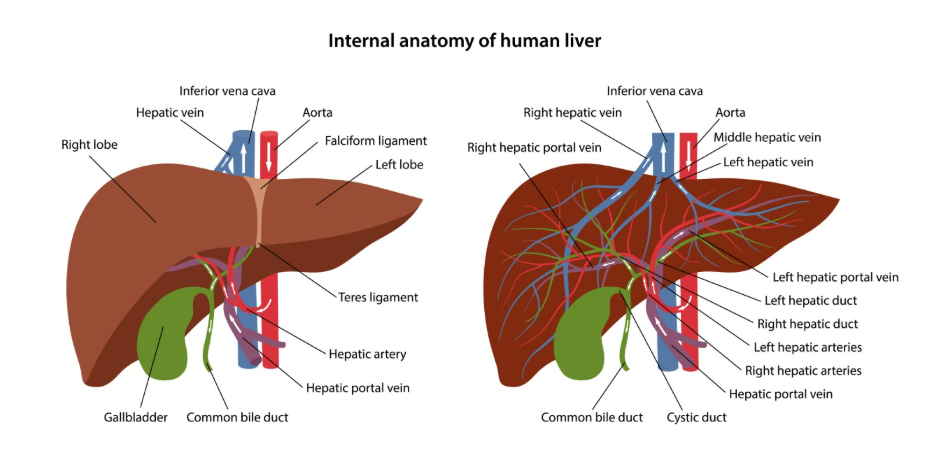
Even small amounts of alcohol can be detrimental when the liver is already dealing with a chronic viral infection. Continued drinking can interfere with the effectiveness of antiviral medications and may lead to a faster decline in liver function. For those who find it difficult to stop drinking, UK healthcare providers can offer support services and resources to help manage alcohol reduction as part of a comprehensive liver care plan.
Nutrition and Liver Support
A balanced diet helps people with chronic Hepatitis B by providing the necessary nutrients for cell repair while avoiding the accumulation of excess fat in the liver. There is no specific “hepatitis diet,” but following general healthy eating principles is highly beneficial. This includes consuming plenty of fibre from fruits, vegetables, and whole grains, and choosing lean protein sources such as fish, beans, and poultry.
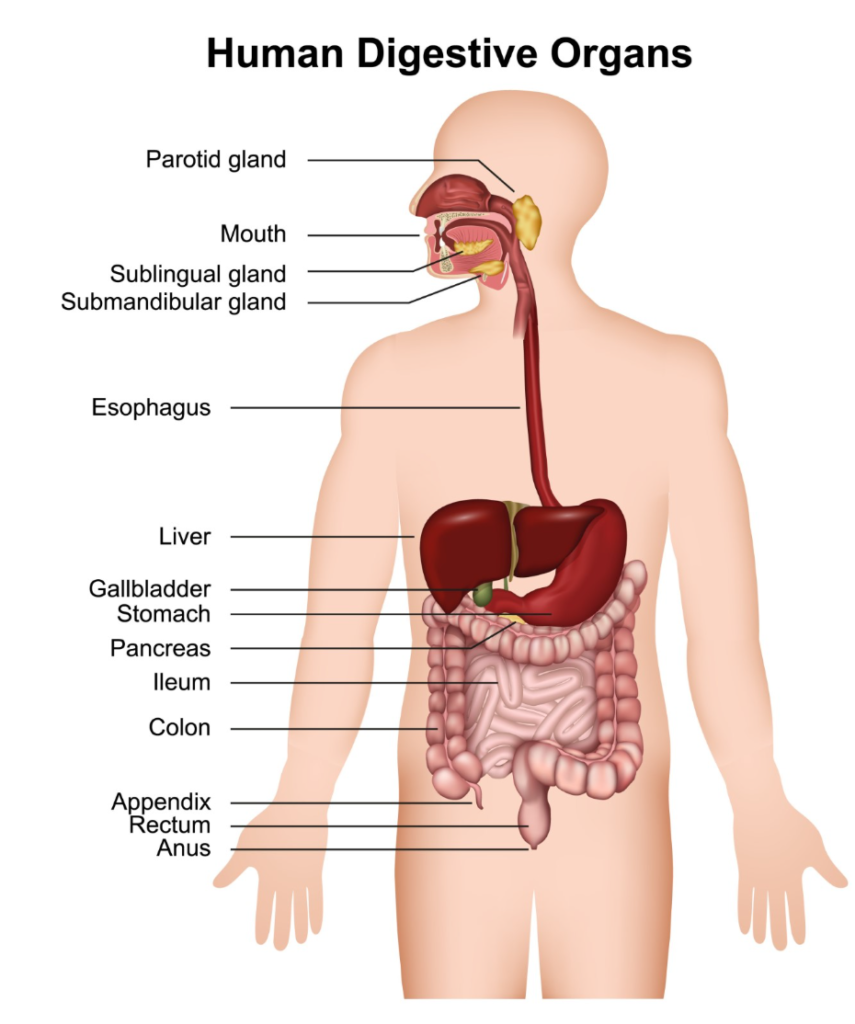
Individuals are advised to limit their intake of highly processed foods, sugary drinks, and saturated fats. High sugar and fat intake can lead to non alcoholic fatty liver disease, a condition where fat builds up in the liver cells. When fatty liver disease occurs alongside chronic Hepatitis B, the combined stress significantly increases the risk of progressive fibrosis. Maintaining a steady intake of complex carbohydrates helps provide consistent energy, which is particularly important for those who experience the fatigue often associated with chronic viral infections.
Weight Management and Metabolic Health
Maintaining a healthy body weight is essential for reducing the overall burden on the liver and preventing metabolic complications that can worsen the effects of Hepatitis B. Obesity is a major risk factor for developing inflammation in the liver independently of viral status. NICE clinical guidelines highlight that managing weight through diet and exercise is a key component of the long term care for patients with chronic liver conditions to prevent the onset of steatohepatitis.
| Factor | Impact on Hepatitis B | Recommended Action |
| Obesity | Increases liver inflammation | Aim for a healthy BMI range |
| Alcohol | Accelerates liver scarring | Total abstinence or strict limits |
| Smoking | Increases liver cancer risk | Seek smoking cessation support |
| Exercise | Improves energy and metabolism | Regular moderate physical activity |
A higher body mass index (BMI) can also make it more difficult for doctors to assess liver health through non invasive methods like ultrasound or FibroScan. By achieving and maintaining a healthy weight, individuals ensure that their liver is not forced to process excess metabolic waste, allowing it to focus its regenerative capacity on managing the viral infection.
Caution with Medications and Supplements
People with chronic Hepatitis B must be extremely cautious when taking any medications, herbal remedies, or supplements, as many of these substances are processed by the liver. Some over the counter painkillers, particularly paracetamol, can be harmful if taken in high doses when liver function is impaired. It is vital to always follow the dosage instructions and consult a pharmacist or doctor before starting any new medication.
Herbal supplements and traditional remedies are of particular concern because they are often not regulated as strictly as conventional medicines. Some herbs can cause acute liver injury or interact negatively with prescribed antiviral treatments. The UK Health Security Agency advises that patients with chronic hepatitis B should inform their specialist about all supplements they are using to avoid potential hepatotoxicity. Always check that any new treatment is safe for someone with a chronic liver condition.
Physical Activity and Fatigue Management
Regular physical activity is beneficial for people with chronic Hepatitis B as it improves cardiovascular health, helps manage weight, and can help alleviate the persistent fatigue that many patients report. Exercise does not have a direct effect on the virus itself, but it improves the body’s overall resilience and metabolic efficiency. Moderate activities such as walking, swimming, or cycling are generally recommended.
It is important to listen to the body and avoid overexertion during periods when energy levels are low. For those starting a new exercise routine, a gradual increase in intensity is advised. Exercise also has a positive impact on mental health, helping to reduce the anxiety or stress that can accompany the diagnosis of a long term health condition. Supporting mental well being is a key part of holistic liver care in the UK.
Conclusion
Lifestyle changes for chronic Hepatitis B focus on protecting the liver from additional stress by avoiding alcohol, maintaining a healthy weight, and being cautious with medications. A balanced diet and regular physical activity support overall health and help manage symptoms like fatigue. These daily choices, combined with regular clinical monitoring, provide the best opportunity for long term liver health and a good quality of life. If you experience severe, sudden, or worsening symptoms, call 999 immediately.
Do I need to eat a special diet if I have Hepatitis B?
There is no specific diet, but a healthy, balanced diet low in saturated fats and sugars is recommended to prevent extra liver stress.
Is it safe to take paracetamol for a headache?
In standard doses, paracetamol is usually safe, but you should always check with your doctor first if you have advanced liver scarring.
Can I drink any alcohol at all?
The safest approach is to avoid alcohol completely, as even small amounts can increase the risk of liver damage over time.
Should I avoid sharing a bathroom or kitchen?
No, Hepatitis B is not spread through casual contact, so sharing facilities, cutlery, or towels is safe.
Are there any “liver detox” supplements I should take?
No, most “detox” products are unproven and some can actually be harmful to the liver; always consult your specialist.
Can smoking affect my Hepatitis B?
Yes, smoking increases the risk of liver cancer in people with chronic Hepatitis B and should be avoided.
How much exercise is recommended?
Around 150 minutes of moderate activity per week is a good goal, but you should adjust this based on your energy levels.
Authority Snapshot (E-E-A-T)
This article provides medically factual health information regarding lifestyle management for chronic Hepatitis B, strictly aligned with NHS and NICE clinical guidelines. The content is developed by a professional medical writing team and reviewed by Dr. Rebecca Fernandez, a UK-trained physician with experience in internal medicine, surgery, and emergency care. All information follows current UK public health protocols to ensure patient safety and clinical accuracy.



