




Supporting the liver through lifestyle changes is a fundamental part of the recovery process from Hepatitis C, both during the course of antiviral treatment and after the virus has been cleared. While modern medications are highly effective at removing the virus from the body, the liver may still require time to heal from the inflammation and scarring caused by the chronic infection. In the United Kingdom, healthcare professionals recommend a combination of dietary adjustments, the avoidance of toxins, and consistent self-care to maximise the organ’s regenerative potential. By adopting these supportive habits, individuals can improve their long-term health outcomes and reduce the risk of further liver complications once the primary infection has been resolved.
What We’ll Discuss in This Article
- The critical importance of abstaining from alcohol during recovery.
- Nutritional choices that promote liver cell repair and metabolic health.
- How maintaining a healthy weight prevents secondary liver stress.
- Safety precautions regarding medications and herbal supplements.
- Managing fatigue and physical activity levels during treatment.
- The role of psychological wellbeing in the recovery journey.
Avoiding Alcohol to Protect the Liver
The most significant lifestyle change required to support Hepatitis C recovery is the complete avoidance of alcohol, as it is a potent liver toxin that can interfere with healing and accelerate scarring. Alcohol causes direct oxidative stress and inflammation in liver cells, which adds a secondary burden to an organ already fighting a viral infection. The NHS advises that people with hepatitis C should avoid drinking alcohol because it can speed up the progression of liver damage and increase the risk of cirrhosis.
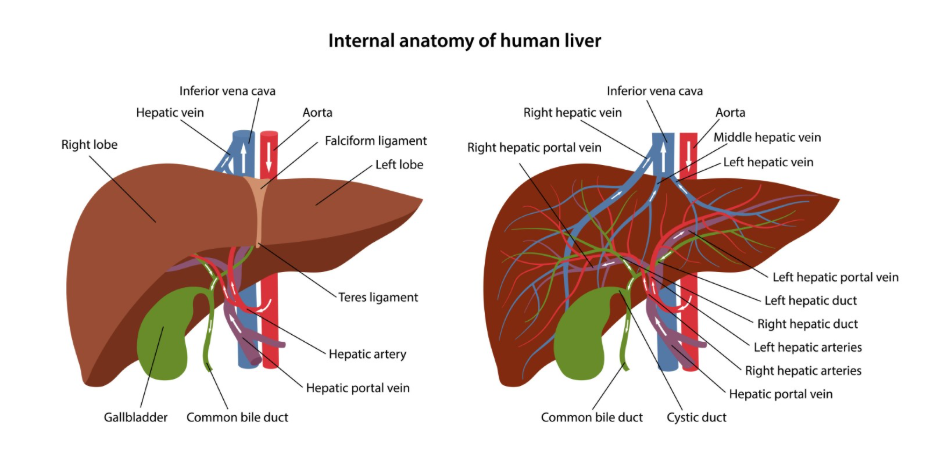
Even after the virus has been successfully cured, the liver remains vulnerable if significant scarring was present before treatment. Continuing to drink alcohol after a cure can prevent the liver from repairing itself and may lead to the development of liver cancer or failure despite the absence of the virus. For many patients in the UK, the treatment period serves as an ideal opportunity to establish a permanent habit of abstinence to ensure the best possible long-term survival and quality of life.
Nutritional Support for Liver Regeneration
Eating a balanced, nutrient-dense diet provides the liver with the essential building blocks it needs to repair tissue and maintain metabolic functions during recovery. While no specific “hepatitis diet” exists, focusing on whole foods and reducing the intake of processed items helps to minimise the liver’s workload. A diet rich in fruits, vegetables, whole grains, and lean proteins like fish or beans is generally recommended by UK health specialists.
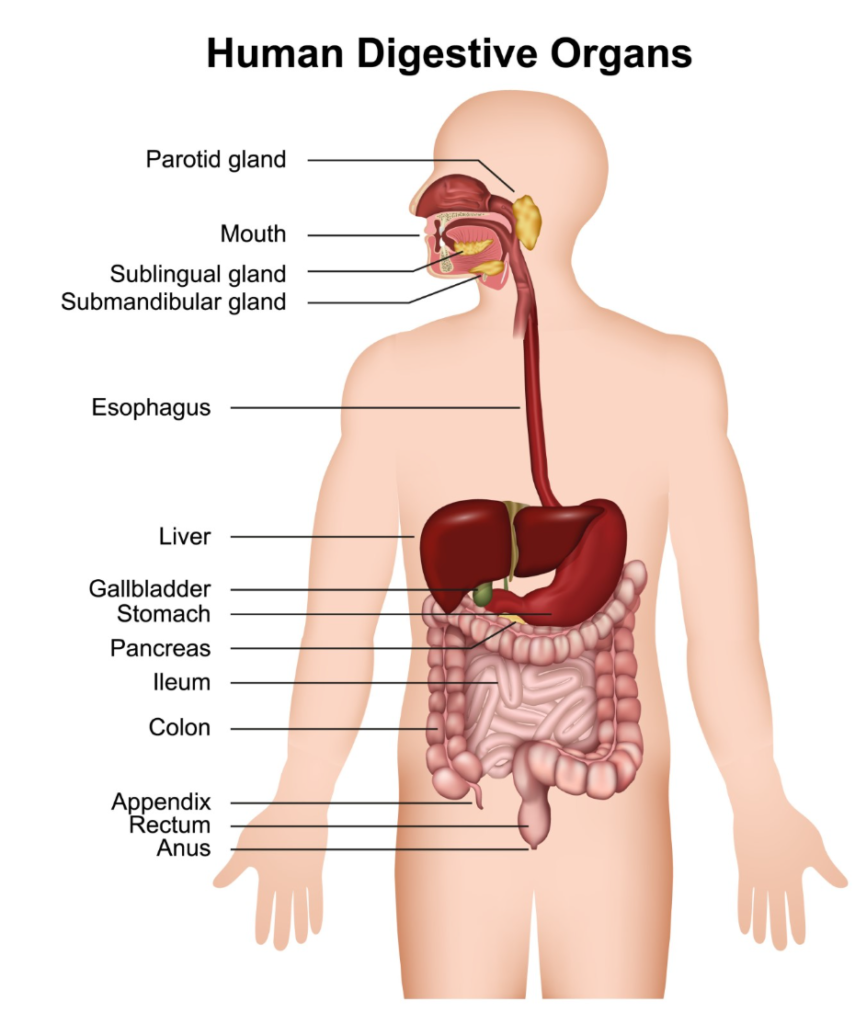
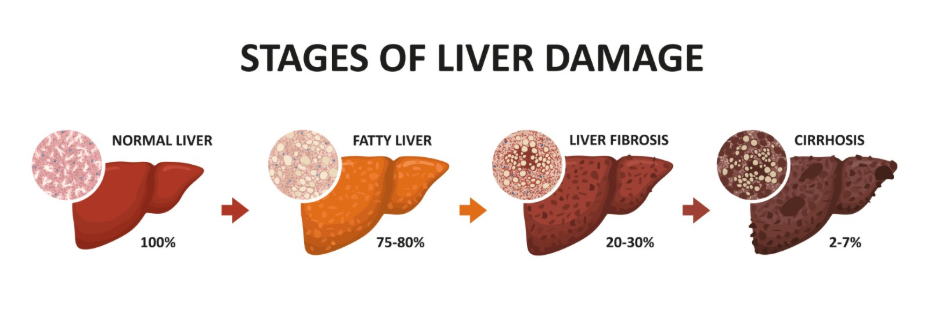
Patients are encouraged to limit their consumption of saturated fats, refined sugars, and high-salt foods, which can contribute to fat accumulation in the liver. Non-alcoholic fatty liver disease is a common co-morbidity that can complicate recovery from Hepatitis C by causing additional inflammation. By choosing complex carbohydrates and healthy fats, such as those found in olive oil or nuts, individuals can maintain stable energy levels and support the liver’s natural detoxification processes without placing the organ under unnecessary metabolic stress.
Weight Management and Metabolic Health
Maintaining a healthy body weight is essential for reducing the risk of fatty liver disease, which can hinder the liver’s ability to recover from viral damage. Obesity triggers a chronic inflammatory state in the body that can worsen liver scarring (fibrosis) even after the Hepatitis C virus has been eliminated. NICE clinical guidelines highlight that weight management is a key component of supportive care for patients with chronic liver conditions to improve overall clinical outcomes.
| Factor | Impact on Recovery | Recommended Action |
| Alcohol | Causes direct cell damage | Complete abstinence |
| High Sugar Intake | Promotes fatty liver | Limit sugary drinks and snacks |
| Obesity | Increases inflammation | Aim for a healthy BMI |
| Smoking | Increases cancer risk | Seek smoking cessation support |
A healthy weight also ensures that the body processes medications more efficiently. For patients undergoing treatment in the UK, maintaining a body mass index within the healthy range helps to ensure that the liver can focus its resources on regeneration. Healthcare providers often offer referrals to dietitians or weight management programmes to support patients in making sustainable changes during their recovery journey.
Caution with Medications and Supplements
Individuals recovering from Hepatitis C must be extremely cautious with over-the-counter medications and herbal supplements, as the liver is responsible for processing these substances. Some common medications, such as paracetamol, can be harmful to a damaged or inflamed liver if taken in high doses. It is vital to always follow the recommended dosage and consult a pharmacist or doctor before taking any new medicine.
Herbal remedies and “liver detox” supplements should be approached with significant caution, as many are not scientifically proven and some can be hepatotoxic (toxic to the liver). Some herbs can interact negatively with the direct-acting antiviral medications used to treat Hepatitis C, potentially reducing their effectiveness. The UK Health Security Agency recommends that patients discuss all supplementary treatments with their clinical team to avoid accidental liver injury during or after treatment.
Managing Fatigue and Activity Levels
Fatigue is a very common symptom for those living with and recovering from Hepatitis C, and managing energy levels is a core part of the recovery process. While regular, moderate physical activity like walking or swimming is beneficial for metabolic health and mood, it is important not to overexert the body. Listening to the body’s signals and allowing for adequate rest helps the immune system and the liver function more effectively.
Exercise helps to improve circulation and can reduce the risk of depression, which is sometimes associated with chronic illness. As the virus is cleared and liver function improves, many patients find that their energy levels gradually return. Establishing a routine of gentle activity can help rebuild physical strength and improve the overall sense of wellbeing during the months following a successful treatment course.
Conclusion
Lifestyle changes to support Hepatitis C recovery centre on protecting the liver from further injury through abstinence from alcohol and a healthy diet. Maintaining a stable weight and being cautious with other medications ensure the liver has the best environment for repair. These supportive habits, combined with modern medical treatment, offer the highest chance of achieving a full recovery and long-term health. If you experience severe, sudden, or worsening symptoms, call 999 immediately.
Can I drink alcohol once the virus is cured?
It is strongly advised to remain abstinent or strictly limit intake, especially if you have existing liver scarring, as alcohol will continue to damage the liver.
Is there a specific “superfood” that heals the liver?
No single food can cure liver damage; a consistently healthy, balanced diet is the most effective way to support organ repair.
Can I take vitamins while on Hepatitis C treatment?
You should check with your specialist first, as high doses of certain vitamins, like Vitamin A, can be stressful for the liver.
How long does it take for the liver to heal after treatment?
he virus is cleared in weeks, but the liver may take months or even years to repair inflammation and early-stage scarring.
Is it safe to use herbal teas for liver health?
Some herbal teas are safe, but others can contain ingredients that stress the liver; always verify the ingredients with your doctor.
Does smoking affect my recovery?
Yes, smoking increases the risk of liver cancer and can worsen liver scarring, so quitting is highly recommended.
Should I avoid fat in my diet completely?
No, your body needs healthy fats (like those in fish and olive oil), but you should avoid saturated and trans fats found in fried and processed foods.
Authority Snapshot (E-E-A-T)
This article provides medically factual health information regarding Hepatitis C recovery, strictly aligned with NHS and NICE clinical guidelines. The content is developed by a professional medical writing team and reviewed by Dr. Rebecca Fernandez, a UK-trained physician with experience in internal medicine, surgery, and emergency care. All information follows current UK public health protocols to ensure accuracy and patient safety.



