




Regular monitoring of liver health is a fundamental requirement for individuals living with chronic Hepatitis B or Hepatitis C to ensure that any changes in viral activity or liver tissue are identified early. Because these viral infections can be “silent,” causing progressive damage without obvious symptoms, consistent clinical surveillance is the only reliable method for preventing advanced liver disease. In the United Kingdom, healthcare professionals follow evidence based protocols to determine the frequency of these checks, which typically involve a combination of blood tests and non invasive imaging. The specific schedule is tailored to the individual, taking into account the type of virus, the current health of the liver, and whether the person is undergoing antiviral treatment.
What We’ll Discuss in This Article
- Typical monitoring frequencies for stable chronic Hepatitis B.
- Liver check schedules during and after Hepatitis C treatment.
- The types of blood tests used to monitor viral load and inflammation.
- The role of ultrasound and FibroScan in long term surveillance.
- Frequency of cancer screening for individuals with liver scarring.
- How clinical teams adjust schedules based on individual risk factors.
Routine Monitoring for Chronic Hepatitis B
People with chronic Hepatitis B who are not currently on antiviral medication typically require liver checks every six to twelve months to ensure the virus remains in an inactive state. During these appointments, clinicians measure the level of Hepatitis B DNA in the blood and check liver enzyme levels to look for signs of active inflammation. The NHS states that most people with chronic hepatitis B will need to see a specialist at least once or twice a year for regular blood tests and scans to check the health of their liver.
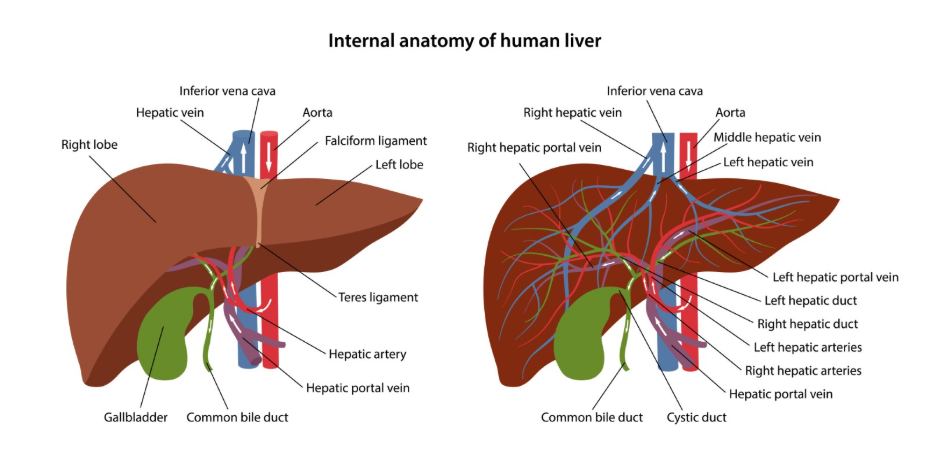
If a person has started antiviral treatment, the frequency of these checks usually increases, particularly during the first year, to monitor how well the medication is suppressing the virus. Once the viral load becomes undetectable and liver enzymes stabilise, the schedule may return to six monthly intervals. Consistency is vital because the Hepatitis B virus can undergo “flares” where it becomes active again after a period of dormancy, necessitating a prompt change in clinical management to prevent scarring.
Checkpoints for Hepatitis C Management
For individuals with Hepatitis C, liver checks are structured around the timeline of their curative treatment and the baseline level of liver damage they have sustained. Before starting treatment, a thorough assessment is conducted to determine the stage of liver scarring. NICE clinical guidelines recommend that everyone with chronic hepatitis C should be assessed for liver fibrosis using non invasive tests such as a FibroScan before therapy begins.
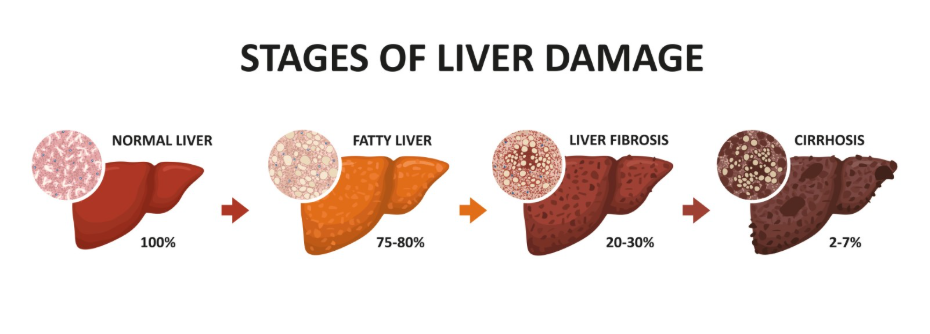
During the standard eight to twelve week treatment course, monitoring is often minimal, but a critical check is performed twelve weeks after the medication is finished to confirm a successful cure. For those who do not have significant liver scarring, this may be their final specialist check. However, individuals who already have advanced fibrosis or cirrhosis must remain on a long term surveillance pathway even after the virus is cured, typically requiring liver checks every six months for the rest of their lives.
Types of Tests and Their Frequency
Clinical monitoring involves a combination of laboratory analysis and imaging to provide a comprehensive view of liver health. These tests are scheduled to detect both the activity of the virus and the physical condition of the liver organ itself.
| Test Type | Common Frequency | Clinical Purpose |
| Liver Function Tests (LFTs) | Every 6 to 12 months | Measures enzymes to check for active inflammation. |
| Viral Load (PCR/DNA) | Every 6 to 12 months | Measures the amount of virus circulating in the blood. |
| FibroScan | Every 1 to 2 years | Non-invasive ultrasound to measure liver stiffness. |
| Liver Ultrasound | Every 6 months | Used specifically to screen for early liver cancer. |
The FibroScan is a particularly important tool in UK clinics as it provides a quick, painless assessment of liver scarring without the need for a biopsy. The UK Health Security Agency recommends regular non invasive monitoring to track the progression of liver disease in patients with chronic viral hepatitis. By comparing results over several years, clinicians can determine if the liver is healing, remaining stable, or requiring more aggressive intervention.
Surveillance for Advanced Liver Scarring
Individuals who have developed cirrhosis due to Hepatitis B or C are placed on a strict surveillance schedule because they are at a higher risk of developing primary liver cancer. This pathway requires an ultrasound scan of the liver and sometimes a blood test for a protein called alpha fetoprotein (AFP) every six months. This frequency is chosen because it provides the best chance of identifying small tumours at a stage where they are still treatable.
Adhering to this six monthly schedule is critical, as early stage liver cancer often produces no physical symptoms. Even if a person feels entirely healthy and their virus is suppressed or cured, the presence of old scar tissue remains a risk factor. Clinical teams in the UK prioritise these appointments to ensure that the long term health of the patient is protected despite the historical viral infection.
Factors Influencing the Monitoring Schedule
Several factors can lead a clinical team to increase the frequency of liver checks, including co-infections with other viruses or lifestyle factors. For instance, people who have both Hepatitis B and Hepatitis C, or who are also living with HIV, may require more frequent blood tests as these viruses can interact and accelerate liver damage.
Lifestyle choices, particularly alcohol consumption, can also necessitate more frequent monitoring. Alcohol causes additional stress to the liver, and if a patient is struggling to abstain, the healthcare team may schedule more regular liver function tests to track the cumulative impact on the organ. Similarly, the presence of other conditions like type 2 diabetes or fatty liver disease can influence the monitoring plan, as these metabolic factors can work alongside the virus to increase the risk of cirrhosis.
Conclusion
The frequency of liver checks for Hepatitis B and C is determined by the activity of the virus and the extent of any existing liver damage, with most people requiring assessments every six to twelve months. While those cured of Hepatitis C may eventually be discharged from specialist care, individuals with chronic Hepatitis B or advanced liver scarring must commit to lifelong surveillance. Consistent attendance at these appointments is the most effective way to manage the infection and preserve long term liver health. If you experience severe, sudden, or worsening symptoms, call 999 immediately.
Why do I need a check-up if I feel perfectly fine?
Liver damage often happens silently without symptoms; regular checks are the only way to detect inflammation or scarring before it becomes serious.
How often will I need a FibroScan?
Most stable patients have a FibroScan every one to two years to monitor for any changes in liver stiffness or scarring.
Do I still need checks after being cured of Hepatitis C?
Only if you already had significant liver scarring (cirrhosis) before you were cured; your specialist will tell you if you need to stay on a surveillance list.
Will I always need blood tests every six months for Hepatitis B?
For most people with chronic infection, six-monthly tests are the standard to ensure the virus stays inactive and your liver remains healthy.
Is an ultrasound the same as a FibroScan?
No; an ultrasound looks for tumours or physical changes, while a FibroScan specifically measures how stiff or scarred the liver tissue is.
What happens if I miss an appointment?
You should rebook as soon as possible; missing checks can mean that a period of viral activity or early damage goes undetected.
Do children with Hepatitis B need the same frequency of checks?
Children are also monitored regularly, though the focus is often on viral activity levels as they are less likely to have advanced scarring early in life.
Authority Snapshot (E-E-A-T)
This article provides medically factual health information regarding liver monitoring schedules, strictly aligned with NHS and NICE clinical guidelines. The content is developed by a professional medical writing team and reviewed by Dr. Rebecca Fernandez, a UK-trained physician with extensive experience in internal medicine, surgery, and emergency care. All guidance follows current UK public health protocols to ensure patient safety and clinical accuracy.



