




Hepatitis A is a highly contagious liver infection that can spread within a household, primarily through the faecal-oral route, but it does not spread through casual contact such as hugging or sitting near an infected person. The virus is shed in the stools of an infected individual and is typically transmitted when another person unknowingly ingests small amounts of contaminated matter, often via contaminated food, water, or surfaces. Because the virus can survive outside the body on surfaces like door handles and taps, household members are at an increased risk if strict hand hygiene and cleaning protocols are not followed. In the United Kingdom, public health guidance focuses on breaking the chain of transmission through thorough handwashing and the targeted use of vaccination for close contacts to ensure the virus does not spread further within the domestic environment.
What We’ll Discuss in This Article
- The specific definition of the faecal-oral transmission route.
- Why normal casual contact is considered low risk for transmission.
- High risk areas in the home, such as kitchens and bathrooms.
- The role of hand hygiene in preventing household outbreaks.
- Recommendations for sharing personal items and household facilities.
- Guidance on vaccination for family members and close contacts.
Understanding the Route of Transmission
Hepatitis A spreads when the virus is passed from the stool of an infected person to the mouth of another person, a process that can occur easily in a shared living space. This most frequently happens when an infected person does not wash their hands thoroughly after using the bathroom and then touches communal surfaces or prepares food for others. The NHS states that hepatitis A is most commonly spread through the faecal-oral route, which means the virus is passed in the stools of an infected person and then unknowingly ingested by someone else.
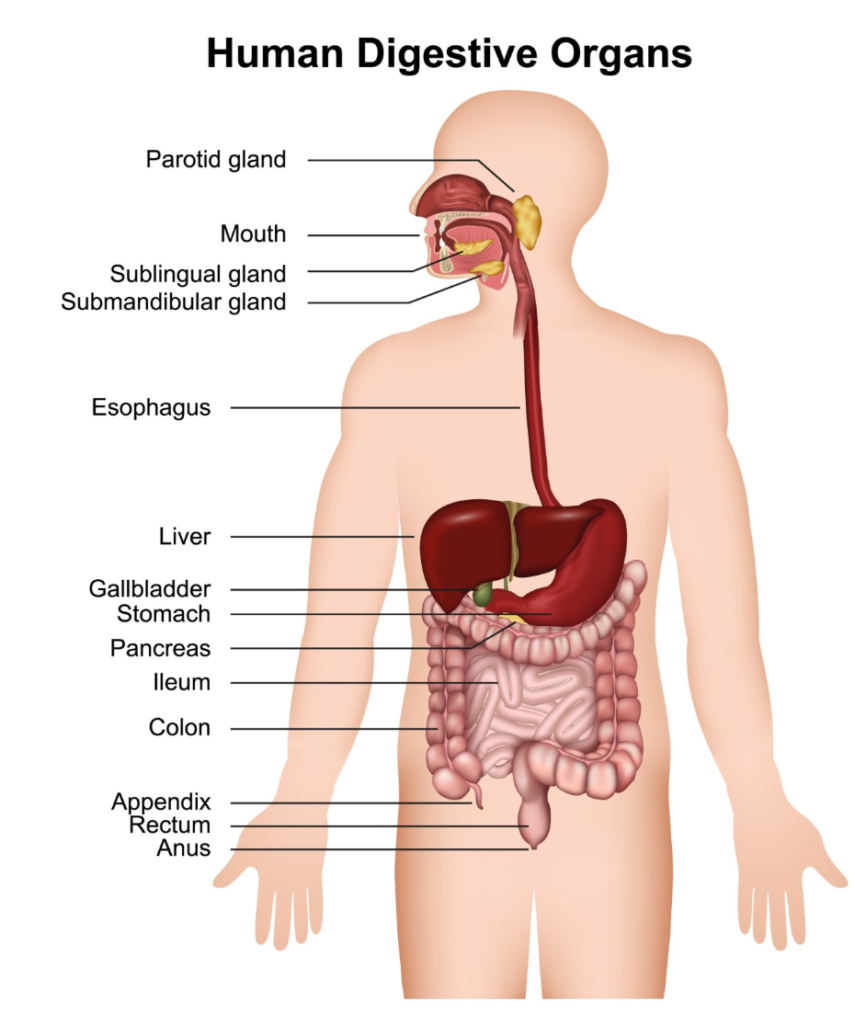
The virus is remarkably resilient and can remain active on environmental surfaces for several days. This means that transmission in the home often occurs indirectly. For example, if an infected person touches a light switch or a fridge handle with contaminated hands, the next person to touch those objects may pick up the virus and accidentally transfer it to their mouth while eating or touching their face. Understanding this mechanism is vital for household members to recognise that while “casual” proximity is safe, “shared” surfaces and food require significant caution.
Casual Contact vs. Close Contact
Casual contact, such as sitting in the same room, hugging, or talking to an infected person, does not pose a risk for spreading Hepatitis A as the virus is not airborne and is not found in saliva or sweat. You cannot contract the virus through coughing, sneezing, or simply being near someone who is ill. The risk only arises when there is a lapse in hygiene that allows the virus to travel from the stool of the patient to the digestive system of another person.
However, household members are classified as “close contacts” because they share high-touch areas and often eat meals prepared in the same kitchen. This proximity increases the likelihood of accidental transmission compared to casual acquaintances or work colleagues. NICE clinical guidelines recommend that all household contacts of a person diagnosed with acute hepatitis A should be identified and assessed for the need for preventative treatment. This proactive approach acknowledges that while the virus is not spread by air, the shared domestic environment provides multiple opportunities for the faecal-oral route to be completed.
Identifying High Risk Areas in the Home
The bathroom and the kitchen are the most critical areas in a home for preventing the spread of Hepatitis A because they are the primary sites where the virus can be deposited or ingested. In the bathroom, the virus can be spread via taps, flush handles, and towels if they are shared. In the kitchen, the risk is centred on food preparation, as the virus can be transferred from a cook’s hands onto raw or cooked food, which is then consumed by the rest of the family.
| Household Activity | Risk Level | Preventative Action |
| Hugging / Sitting near | Low / No Risk | No specific action needed |
| Sharing a bathroom | Moderate | Disinfect surfaces; use separate towels |
| Eating shared food | High | Infected person should not prepare food |
| Sharing toothbrushes | High | Never share personal hygiene items |
To manage these risks, it is generally recommended that an infected person avoids preparing food for others until they are no longer infectious, which is usually at least one week after the start of jaundice. If a shared bathroom must be used, it should be cleaned frequently with bleach-based products, and the infected person should have their own designated towels and flannels that are washed at high temperatures.
The Role of Hand Hygiene and Cleaning
Thorough hand hygiene is the single most effective way to prevent Hepatitis A from spreading through casual household interactions. Washing hands with soap and warm water for at least twenty seconds after using the toilet and before handling any food is essential for everyone in the house, not just the infected person. Alcohol-based hand sanitisers are less effective against Hepatitis A than traditional soap and water, so they should not be relied upon as the primary method of cleaning.
Cleaning communal surfaces is also a priority. The virus is sensitive to chlorine, so using a diluted bleach solution on high-touch areas like doorknobs, remote controls, and kitchen counters can help neutralise any viral particles that may have been deposited. Public health guidance in the UK emphasises that maintaining high standards of personal and environmental hygiene is the most reliable method for controlling the spread of hepatitis A within families.
Vaccination for Household Contacts
When a case of Hepatitis A is confirmed within a home, UK health authorities often recommend that other household members receive a preventative vaccination or an injection of immunoglobulin. This is most effective if administered within two weeks of the initial exposure. The vaccine stimulates the immune system to produce antibodies that can stop the virus from causing an infection even if a person has already been exposed.
This preventative measure is particularly important for vulnerable household members, such as older adults or those with pre-existing liver conditions. By vaccinating close contacts, the clinical team can prevent a domestic outbreak and protect those who might be at risk of more severe illness. This step is a standard part of the public health response once a case is reported to a GP or local health protection team.
Conclusion
Hepatitis A does not spread through casual contact like hugging or talking, but it can easily move through a household via contaminated surfaces and shared food. Preventing transmission requires a focus on meticulous hand hygiene, particularly in the bathroom and kitchen, and avoiding the sharing of personal items. While the virus is resilient, it can be managed through effective cleaning and the timely vaccination of close contacts. If you experience severe, sudden, or worsening symptoms, call 999 immediately.
Can I catch Hepatitis A from sharing a toilet seat?
The risk is very low, but the virus can live on surfaces like flush handles and taps, so cleaning the bathroom regularly is important.
Should an infected person eat in a separate room?
It is not necessary for them to eat alone, but they should not prepare food for others or share cutlery and plates.
Is it safe to do the laundry of someone with Hepatitis A?
Yes, but you should handle their bedding and towels with gloves and wash them on a hot cycle (60°C or higher) to kill the virus.
How long is someone infectious at home?
A person is most infectious in the two weeks before symptoms appear and for about one week after the start of jaundice.
Can the virus spread through a swimming pool at home?
Properly chlorinated pools generally neutralise the virus, but an infected person should avoid swimming until they are cleared by a doctor.
Do I need to throw away food that an infected person touched?
If an infected person handled raw or ready-to-eat food with unwashed hands, it is safer to dispose of it to prevent transmission.
Does everyone in the house need the vaccine?
Local health protection teams usually assess the house and recommend the vaccine for all close household contacts who are not already immune.
Authority Snapshot (E-E-A-T)
This article provides medically factual health information regarding Hepatitis A transmission, strictly aligned with NHS and NICE clinical guidelines. The content is developed by a professional medical writing team and reviewed by Dr. Rebecca Fernandez, a UK-trained physician with experience in internal medicine, surgery, and emergency care. All information follows current UK public health protocols to ensure clinical accuracy and household safety.



