




Hepatitis B cannot be spread through casual contact such as hugging, kissing, or sharing kitchen utensils because the virus is not transmitted via saliva, sweat, or skin-to-skin contact. The Hepatitis B virus is a blood borne infection, meaning it specifically requires direct contact with infected blood or certain bodily fluids to move from one person to another. In the United Kingdom, public health guidance emphasises that daily social interactions and sharing living spaces pose no risk to friends, family, or colleagues. Understanding the specific routes of transmission is essential to reducing the social stigma often associated with the virus and ensuring that patients can maintain normal, healthy relationships while managing their condition.
What We’ll Discuss in This Article
- Why casual social interactions are safe for individuals with Hepatitis B.
- The specific biological requirements for Hepatitis B transmission.
- Common household myths regarding utensils, food, and drink.
- Situations where household items like razors may pose a risk.
- How the virus is actually transmitted in a clinical or domestic setting.
- The role of vaccination in protecting household members.
Casual Contact and Social Safety
Hepatitis B is not spread by casual everyday contact, which means that hugging, holding hands, or being in the same room as an infected person is entirely safe. The virus is not airborne, so it cannot be contracted through coughing or sneezing. Furthermore, because the virus is not present in significant quantities in sweat or tears, skin-to-skin contact during social greetings or sports does not facilitate the spread of the infection. The NHS confirms that you cannot catch Hepatitis B from hugging, kissing, or sharing towels or cutlery with someone who has the infection.

Social interactions are an important part of well being, and there is no clinical reason to isolate or restrict the movements of someone living with Hepatitis B. In school, workplace, and domestic environments, individuals with the virus can participate fully in all activities without fear of infecting others through normal proximity. This lack of casual transmission is one of the primary reasons why the virus is manageable within a community setting.
Sharing Utensils and Food
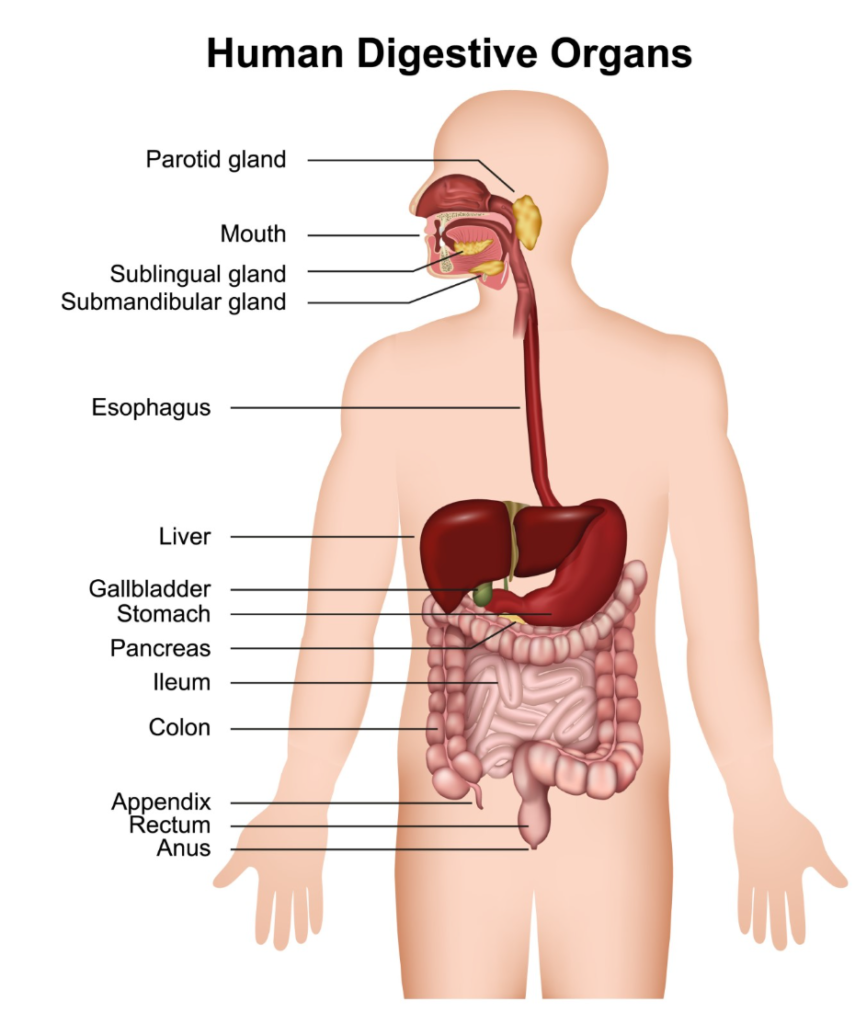
The Hepatitis B virus is not transmitted through the sharing of eating utensils, plates, or drinking glasses because it is not spread through saliva or the ingestion of food. The virus does not enter the body through the digestive system in the same way that Hepatitis A does. Therefore, sharing a meal or using the same cutlery at a dinner table poses no risk to household members or guests.
Similarly, the virus cannot be spread through breastfeeding or by sharing food and water. Food prepared by someone with Hepatitis B is safe to consume, as the virus cannot survive the cooking process or be transmitted via the hands unless there is a rare instance of direct blood-to-blood contact. NICE clinical guidelines indicate that there is no evidence of transmission through casual household contact such as sharing kitchen facilities or bathrooms.
How Hepatitis B is Actually Transmitted
To contract Hepatitis B, a person must have direct contact with the blood or specific bodily fluids (semen or vaginal fluids) of someone who has the virus. This most commonly occurs through unprotected sexual intercourse or by sharing equipment used to inject drugs. In some parts of the world, the virus is often passed from a mother to her baby during childbirth, although this is heavily managed and prevented in the UK through routine screening and newborn vaccination.
| Route of Transmission | Risk Level |
| Hugging / Kissing | No risk |
| Sharing Utensils | No risk |
| Unprotected Sex | High risk |
| Sharing Razors / Toothbrushes | Low but potential risk |
| Sharing Needles | High risk |
Because the virus requires a break in the skin or contact with mucous membranes to enter the bloodstream, it is not easily passed in a typical household environment. Medical and dental procedures in the UK are also strictly regulated to prevent transmission through the use of sterile equipment and universal precautions.
Risks Within the Household Environment
While casual contact is safe, there are specific personal items that should not be shared within a household because they may carry trace amounts of blood. Items such as razors, toothbrushes, and nail clippers can cause minor, often invisible nicks to the skin or gums. If an infected person uses these items and another person uses them shortly after, there is a theoretical risk of blood-to-blood transmission.
Standard household hygiene should include having separate personal grooming tools for every member of the family. If blood is spilled on a surface in the home, it should be cleaned using a diluted bleach solution while wearing gloves to neutralise any viral particles. These simple, common sense precautions are sufficient to protect everyone in the home from the virus, regardless of how closely they live together.
The Role of Vaccination for Close Contacts
The most effective way to ensure total peace of mind for household members is through vaccination. In the UK, the Hepatitis B vaccine is now part of the routine childhood immunisation schedule, but older household contacts of an infected person are also eligible for the vaccine on the NHS. The UK Health Security Agency recommends that all household and sexual contacts of individuals with chronic Hepatitis B should be tested and offered vaccination if they are not already immune.
Once a household member is successfully vaccinated, their body produces antibodies that provide long term protection against the virus. This effectively eliminates the risk of transmission within the home, even if accidental exposure to blood were to occur. Combining vaccination with the knowledge that casual contact is safe allows families to live together without anxiety or unnecessary restrictions.
Conclusion
Hepatitis B cannot be spread through casual interactions like hugging or sharing utensils because it is a blood borne virus that is not present in saliva or sweat. Social stigma is often based on misunderstandings of these transmission routes, but clinical evidence shows that daily life with an infected person is safe. By maintaining separate personal grooming items and ensuring that household contacts are vaccinated, the risk of transmission within a home is virtually eliminated. If you experience severe, sudden, or worsening symptoms, call 999 immediately.
Can I catch Hepatitis B from someone coughing on me?
No, Hepatitis B is not an airborne virus and cannot be spread through coughing or sneezing.
Is it safe to use a public toilet if I have a small cut on my leg?
The risk is extremely low as the virus does not survive well on environmental surfaces like toilet seats, and normal cleaning procedures are effective.
Should I tell my workplace if I have Hepatitis B?
In most jobs, there is no legal requirement to disclose your status because there is no risk to your colleagues through casual contact.
Can I share a towel with someone who has Hepatitis B?
While the risk is very low, it is better to have your own towel to avoid any potential contact with trace amounts of blood from skin nicks.
Is it safe to play contact sports like football?
Yes, casual contact during sports is safe, although any bleeding injuries should be covered and cleaned according to standard first aid protocols.
Can the virus be spread through a swimming pool?
No, the virus cannot be spread through water in swimming pools, especially those that are properly chlorinated.
Does the virus spread through kissing?
Social kissing or “dry” kissing is safe; “wet” or deep kissing is also considered very low risk unless there are active sores or bleeding in the mouth.
Authority Snapshot (E-E-A-T)
This article provides medically factual health information regarding Hepatitis B transmission, strictly aligned with NHS and NICE clinical guidelines. The content is developed by a professional medical writing team and reviewed by Dr. Rebecca Fernandez, a UK-trained physician with experience across internal medicine, surgery, and emergency care. All information follows current UK public health protocols to ensure clinical accuracy and patient safety.



