




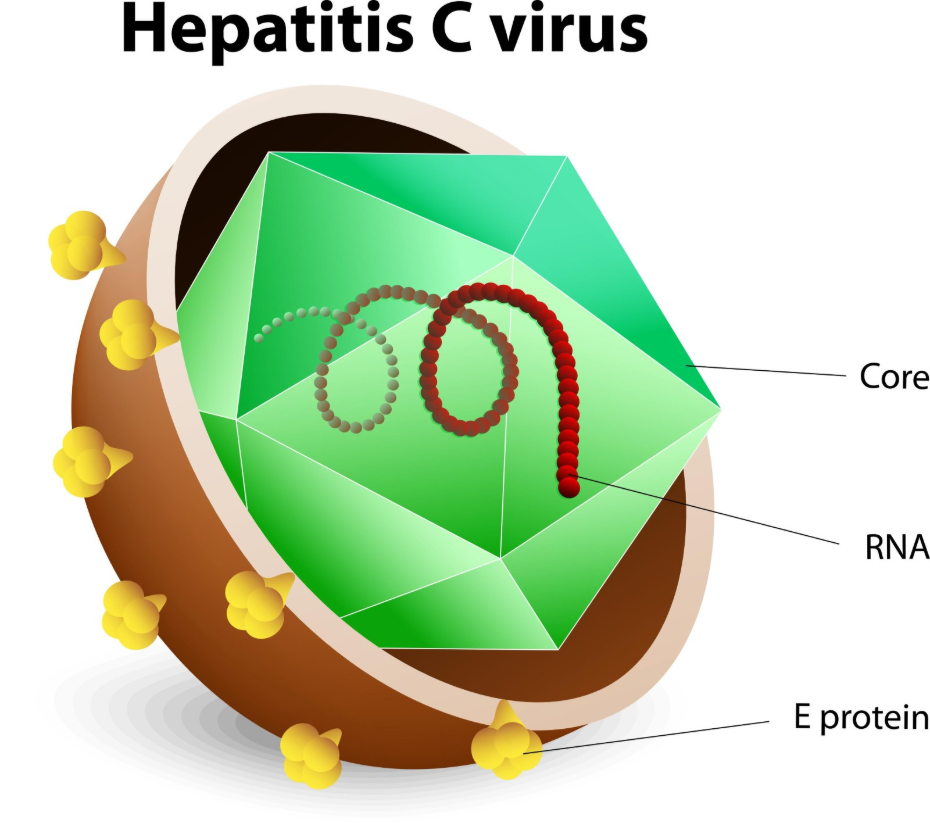
Hepatitis C is not spread through saliva or casual contact such as kissing because it is a blood borne virus that requires direct blood to blood contact for transmission. While the virus can be found in very low concentrations in various bodily fluids, it is not present in saliva in sufficient quantities to cause an infection. In the United Kingdom, healthcare professionals follow evidence based guidelines to educate the public on the specific ways the virus moves between individuals, primarily through the sharing of equipment used for injecting drugs or through unsterilised medical and cosmetic tools. Understanding the biological limitations of how the virus spreads is essential for reducing social stigma and providing clear, factual information to those living with the condition and their families.
What We’ll Discuss in This Article
- The biological reasons why saliva is not a route for transmission.
- Why casual kissing and social contact are considered safe.
- The specific circumstances where a theoretical risk might exist.
- Common myths regarding the sharing of food and household items.
- The primary routes of Hepatitis C transmission in the UK.
- How to manage household safety and personal hygiene effectively.
Saliva and the Risk of Transmission
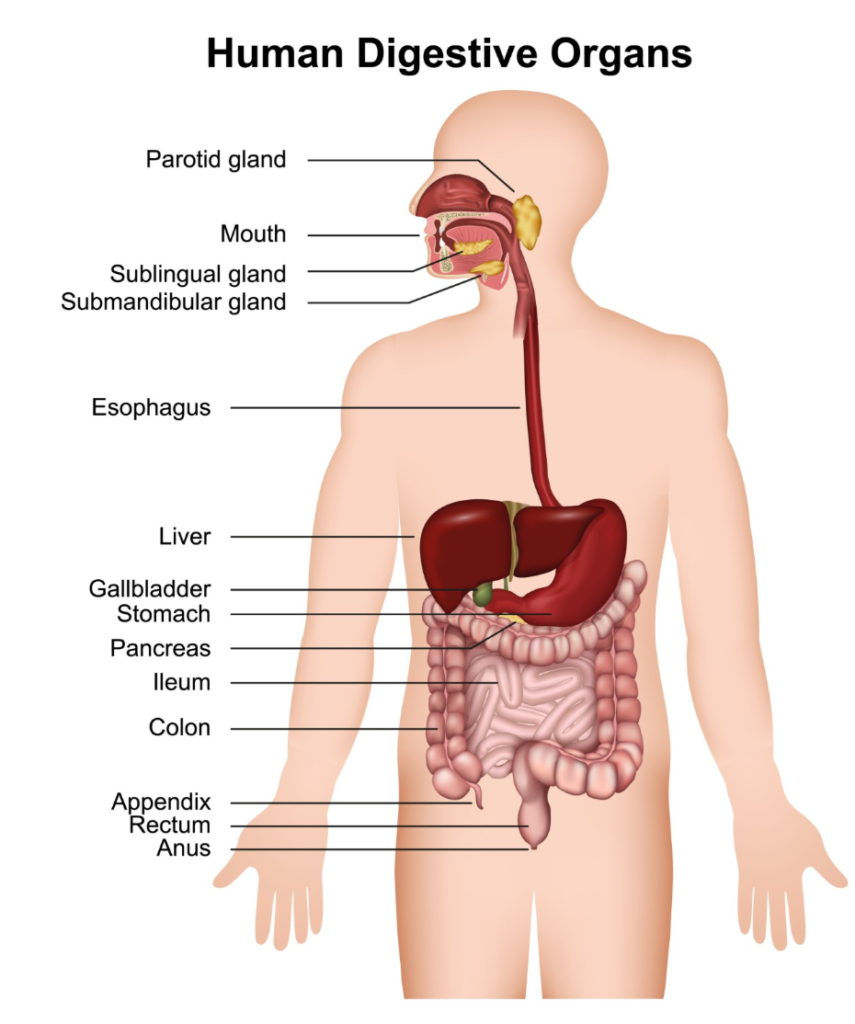
Hepatitis C is not transmitted through saliva because the virus is a blood borne pathogen that does not naturally replicate in or colonise the salivary glands. For an infection to occur, a sufficient amount of the virus must enter the bloodstream of another person directly. The NHS states that Hepatitis C is not spread by kissing or sharing razors, toothbrushes, or cutlery, although it is a blood borne virus.
Scientific studies have consistently shown that the Hepatitis C virus is rarely detected in the saliva of infected individuals, and even when present, the concentration is too low to pose a significant risk of infection. The digestive tract also provides a natural barrier, as the virus is not typically spread through ingestion. This means that social interactions involving saliva, such as speaking in close proximity or sharing a drink, do not facilitate the spread of the virus.
Casual Kissing and Social Contact
Casual contact, including dry kissing on the lips or cheeks, hugging, and holding hands, carries no risk of transmitting Hepatitis C. Because the virus is not found in sweat, tears, or skin cells, simple physical contact is entirely safe in both domestic and social settings. There is no requirement in the UK for individuals with Hepatitis C to be isolated or to avoid physical affection with friends and family.
The National Institute for Health and Care Excellence indicates that Hepatitis C is not spread by casual contact such as hugging, kissing, or sharing food and drink. This clinical consensus helps to reassure the public that the virus is difficult to contract through everyday activities. Maintaining normal social relationships is encouraged for the mental well being of those diagnosed with the virus, as there is no evidence that these activities contribute to the transmission of the disease.
Theoretical Risks and Oral Health
While saliva itself does not spread the virus, a theoretical risk could exist during prolonged or deep kissing if both individuals have active bleeding in their mouths, such as from severe gum disease or open sores. This would constitute blood to blood contact rather than transmission via saliva. However, even in these specific circumstances, the risk is considered extremely low and there are no documented cases of Hepatitis C being transmitted through kissing alone.
Good oral hygiene is a standard recommendation for everyone, but for those with Hepatitis C, it ensures that the gums remain healthy and less prone to bleeding. Because the virus is so specifically blood borne, the absence of blood in the mouth effectively removes any pathway for the virus to move during oral contact. Healthcare providers in the UK focus on these blood to blood routes as the only significant cause for concern.
Shared Household Items and Cutlery
Sharing kitchen utensils, plates, and drinking glasses does not spread Hepatitis C because the virus is not transmitted through food or drink. The virus cannot survive the digestive process, and even if trace amounts were present on a utensil, they would not find a route into the bloodstream. Households can continue to share meals and dining facilities without any special precautions or separate equipment.
The UK Health Security Agency provides guidance stating that Hepatitis C is not spread through sharing cutlery or bathroom facilities such as toilets and showers. The only household items that should not be shared are those that may have come into contact with blood, such as razors, toothbrushes, or nail clippers. These items can cause microscopic nicks in the skin or gums, which could potentially facilitate blood to blood contact.
Primary Routes of Transmission in the UK
The most common way Hepatitis C is spread in the UK is through the sharing of needles and other equipment used to inject drugs. The virus can survive in small amounts of dried blood on equipment for several days, making this a high risk activity. Other significant routes include receiving medical or dental treatment in countries where equipment is not properly sterilised, or having tattoos and piercings performed in unregulated premises using non sterile needles.
| Transmission Route | Risk Status |
| Blood-to-blood contact | High Risk |
| Sharing injecting equipment | High Risk |
| Unregulated tattoos/piercings | Moderate Risk |
| Kissing and Saliva | No Risk |
| Hugging and Touching | No Risk |
Sexual transmission of Hepatitis C is generally considered rare, though the risk increases during certain activities that may involve blood contact. In the UK, the blood supply is rigorously screened, so the risk of contracting the virus through a blood transfusion or transplant is now negligible. Focusing on these known high risk behaviours is the most effective way for the public to prevent infection.
Conclusion
Hepatitis C cannot spread through saliva or kissing as it is strictly a blood borne virus that requires direct entry into the bloodstream. Social interactions, sharing meals, and casual physical contact are entirely safe and do not contribute to the spread of the infection. Prevention efforts in the UK correctly focus on avoiding blood to blood contact, particularly through shared needles or unsterilised equipment. If you experience severe, sudden, or worsening symptoms, call 999 immediately.
If I have a mouth ulcer, can I catch Hepatitis C from kissing?
The risk is still considered extremely low; for transmission to occur, both people would need to have significant active bleeding at the same time.
Can the virus spread through a shared toothbrush?
While the virus is not in saliva, toothbrushes can carry trace amounts of blood from the gums, so sharing them is not recommended.
Is it safe to share a water bottle with someone who has Hepatitis C?
Yes, sharing drinks or water bottles is safe as the virus is not transmitted through saliva or the digestive system.
Can I catch Hepatitis C from a cough or sneeze?
No, Hepatitis C is not an airborne virus and cannot be spread through respiratory droplets.
Is the virus present in the saliva of someone with a high viral load?
Even with a high viral load in the blood, the concentration in saliva remains too low to be infectious.
Should I tell my partner if I have Hepatitis C before we kiss?
While you should discuss your status with a long term partner, there is no medical risk from kissing that requires specific warnings.
Can children catch Hepatitis C from their parents through casual contact?
No, children cannot catch the virus through hugging, kissing, or living in the same house as a parent with Hepatitis C.
Authority Snapshot (E-E-A-T)
This article provides medically factual health information regarding Hepatitis C transmission, strictly aligned with NHS and NICE clinical guidelines. The content is developed by a professional medical writing team and reviewed by Dr. Rebecca Fernandez, a UK-trained physician with experience in internal medicine, surgery, and emergency care. All information follows current UK public health protocols to ensure clinical accuracy and patient safety.



