




It is entirely possible for an individual to contract Hepatitis C again after being successfully cured because the body does not develop permanent immunity to the virus following a previous infection. While modern antiviral treatments are highly effective at clearing the virus from the bloodstream and allowing the liver to recover, they do not provide protection against future exposures. In the United Kingdom, healthcare professionals emphasise that a successful cure represents a clean slate for the liver, but maintaining preventative behaviours is essential to avoid reinfection. Understanding the difference between being cured and being immune is a vital component of long term liver health management within the NHS framework.
What We’ll Discuss in This Article
- The biological reasons why Hepatitis C does not result in lifelong immunity.
- The difference between a relapse of a previous infection and a new reinfection.
- Common routes through which a second Hepatitis C infection can occur.
- How clinicians in the UK identify and test for potential reinfection.
- The impact of a second infection on liver health and previous scarring.
- Strategies and support systems to prevent future exposure to the virus.
The Absence of Natural Immunity to Hepatitis C
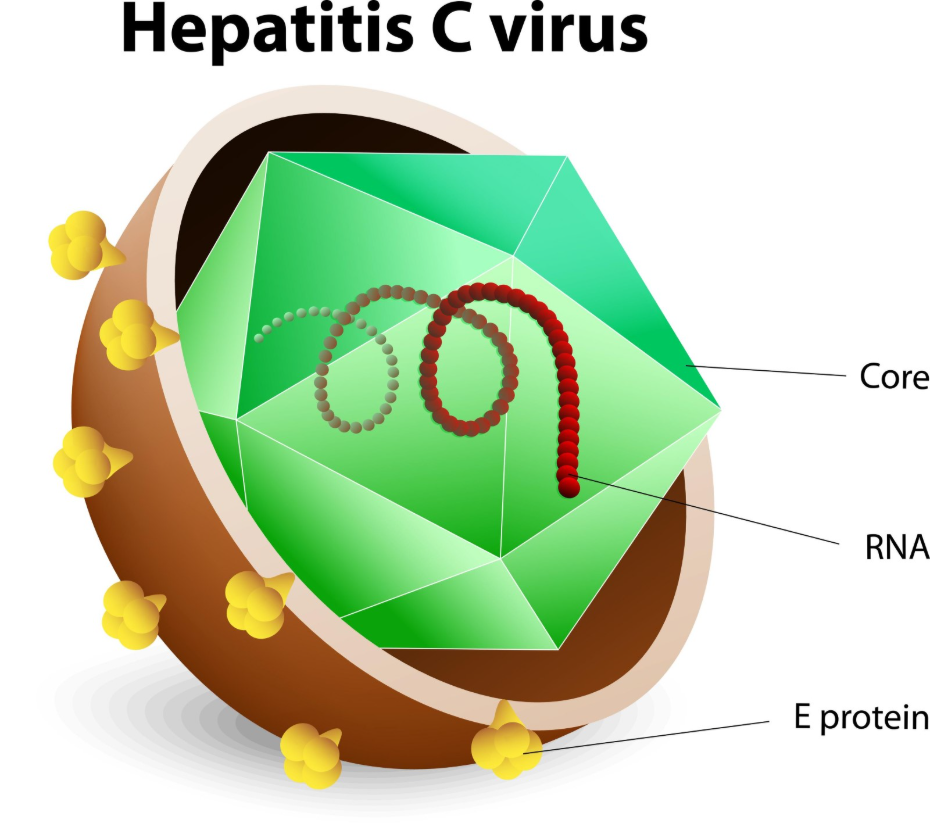
Hepatitis C does not lead to the development of protective antibodies that prevent future infections, which distinguishes it from other viral infections like Hepatitis A or B. When an individual is cured of Hepatitis C, the specific antibodies produced by the immune system remain in the blood for many years, but these antibodies are not “neutralising,” meaning they cannot stop a new strain of the virus from taking hold if it enters the bloodstream again. The NHS states that while modern treatments can cure more than 95 percent of people with Hepatitis C, you can get the virus again if you are exposed to it after being cured.
The high genetic diversity of the Hepatitis C virus further complicates the body’s ability to protect itself. There are multiple genotypes and subtypes of the virus, and being cured of one does not offer protection against others. Even exposure to the same genotype can lead to a new infection because the virus mutates rapidly. This lack of natural immunity is a primary reason why there is currently no vaccine for Hepatitis C and why ongoing caution is necessary even after a successful clinical outcome.
Distinguishing Between Relapse and Reinfection
Healthcare providers must differentiate between a relapse, where the original virus was not completely eradicated, and a true reinfection, where a person has contracted a new version of the virus. A relapse typically occurs within the first twelve weeks after finishing treatment and is usually caused by the original strain that has become detectable again. In contrast, a reinfection occurs after a person has achieved a sustained virologic response (SVR) and is subsequently exposed to the virus a second time.
NICE clinical guidelines indicate that a sustained virologic response at twelve weeks post-treatment is considered a definitive cure, and any subsequent detection of the virus after this point is generally classified as a reinfection. To confirm a reinfection, clinicians may use advanced laboratory techniques to compare the genetic makeup of the new virus with the previous one. Identifying the difference is important for determining the most effective course of second line treatment and for providing appropriate preventative advice.
Routes of Potential Reinfection
The routes for contracting Hepatitis C a second time are the same as those for an initial infection, primarily involving direct blood to blood contact. In the UK, the most common way reinfection occurs is through the sharing of equipment used for injecting drugs, including needles, syringes, filters, and spoons. The virus can survive in small amounts of dried blood on equipment for several days, making it highly transmissible in these circumstances.
| Activity | Risk of Reinfection | Preventative Measure |
| Injecting Drugs | High Risk | Use new, sterile equipment every time |
| Unregulated Tattoos | Moderate Risk | Ensure premises are UK regulated |
| Medical Care Abroad | Low to Moderate | Use reputable, sterile facilities |
| Casual Social Contact | No Risk | No specific action needed |
Other potential routes include having a tattoo or piercing in an unregulated environment where equipment may not be properly sterilised. While sexual transmission is generally rare, the risk of reinfection can increase during specific sexual activities that involve blood contact. It is also possible to be reinfected through medical or dental procedures in countries where infection control standards are less stringent than those in the UK.
Testing and Identification After a Cure
Testing for a new Hepatitis C infection after a previous cure requires a different approach than initial screening. Because Hepatitis C antibodies remain in the blood for years after the virus is gone, a standard antibody test will always show a positive result and cannot distinguish between a past infection and a new one. To identify a reinfection, a healthcare professional must perform a direct viral test, such as a PCR or RNA test, to look for the presence of the actual virus.
The UK Health Security Agency provides guidance for regular viral testing in individuals who have ongoing risk factors for reinfection to ensure that any new cases are caught and treated early. Individuals with high risk lifestyles are often encouraged to have a PCR test annually or more frequently if a specific exposure event is suspected. Early identification of a second infection is vital to prevent the return of liver inflammation and to stop the virus from being passed to others in the community.
Impact on Long Term Liver Health
Contracting Hepatitis C a second time places renewed stress on the liver, which may already have been damaged by the first infection. If the initial infection led to significant scarring (fibrosis), a second infection can accelerate the progression toward cirrhosis and liver failure. The liver’s ability to repair itself is hampered by repeated bouts of viral inflammation.
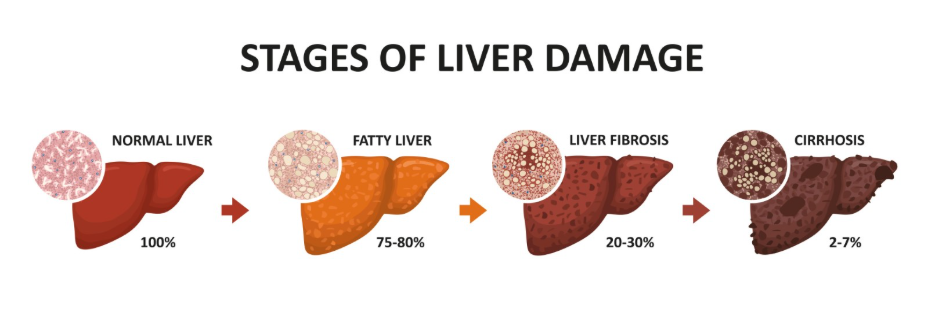
While the second infection can also be treated with modern antiviral medications, each episode of chronic inflammation increases the overall risk of developing primary liver cancer. This is why the NHS prioritises both the cure and the prevention of future infections. For individuals who already have advanced liver scarring, the medical team will continue to provide regular liver scans even after a second cure is achieved to monitor for long term complications.
Conclusion
A successful cure for Hepatitis C does not provide immunity, and reinfection remains a significant risk if exposure to infected blood occurs again. The body’s antibodies do not prevent new strains from taking hold, necessitating a lifelong commitment to preventative behaviours and regular testing for those in high risk groups. While second infections are treatable, protecting the liver from repeated inflammation is the best strategy for long term health. If you experience severe, sudden, or worsening symptoms, call 999 immediately.
Does being cured once make the second treatment less effective?
No, modern direct acting antivirals remain highly effective for second infections, though a different combination of drugs may be chosen.
Can I catch a different genotype the second time?
Yes, it is possible to be reinfected with a different strain or even the same strain of the virus you had previously.
If my antibody test is positive, does it mean I’m still infected?
Not necessarily; the antibody test stays positive for years after a cure, so you need a PCR test to see if the virus is currently present.
How soon can I get reinfected after finishing my tablets?
Reinfection can happen as soon as you are exposed to the virus again, even during or immediately after your treatment course.
Does the NHS pay for treatment if I get infected a second time?
Yes, the NHS provides curative treatment for Hepatitis C regardless of whether it is a first or subsequent infection.
Can I get reinfected from sharing a toothbrush?
While the risk is low, it is possible if there is trace blood on the brush, so you should always use your own personal hygiene items.
Is there any way to become immune to Hepatitis C?
Currently, there is no way to become immune and no vaccine available, so prevention is the only way to stay clear of the virus.
Authority Snapshot (E-E-A-T)
This article provides medically factual health information regarding Hepatitis C reinfection, strictly aligned with NHS and NICE clinical guidelines. The content is developed by a medical writing team and reviewed by Dr. Rebecca Fernandez, a UK-trained physician with experience across internal medicine, surgery, and emergency care. All information follows current UK public health protocols to ensure clinical accuracy and patient safety.



