




Maintaining a healthy weight is one of the most significant actions an individual can take to lower their risk of developing bowel cancer. Scientific evidence has established a clear link between excess body fat and an increased likelihood of colorectal malignancies, making weight management a cornerstone of preventative health strategy in the United Kingdom. By understanding the biological relationship between body fat and the digestive system, individuals can better appreciate how balanced nutrition and physical activity contribute to long term bowel health.
What We’ll Discuss in This Article
- The biological link between excess body fat and bowel cancer risk.
- How visceral fat specifically influences inflammation and hormones.
- The role of insulin and growth factors in cancer cell development.
- UK health standards for defining a healthy weight range.
- Practical benefits of weight management for cancer survivors.
- Small lifestyle adjustments to support a healthy body mass.
The Biological Link Between Weight and Bowel Cancer
Maintaining a healthy weight reduces the risk of bowel cancer because excess body fat triggers biological changes that can encourage the growth of cancer cells. The NHS identifies being overweight or obese as a major modifiable risk factor for bowel cancer, alongside smoking and high alcohol intake. When the body carries too much fat, it is not merely stored energy; instead, the fat tissue acts as an active organ that releases chemicals into the bloodstream.
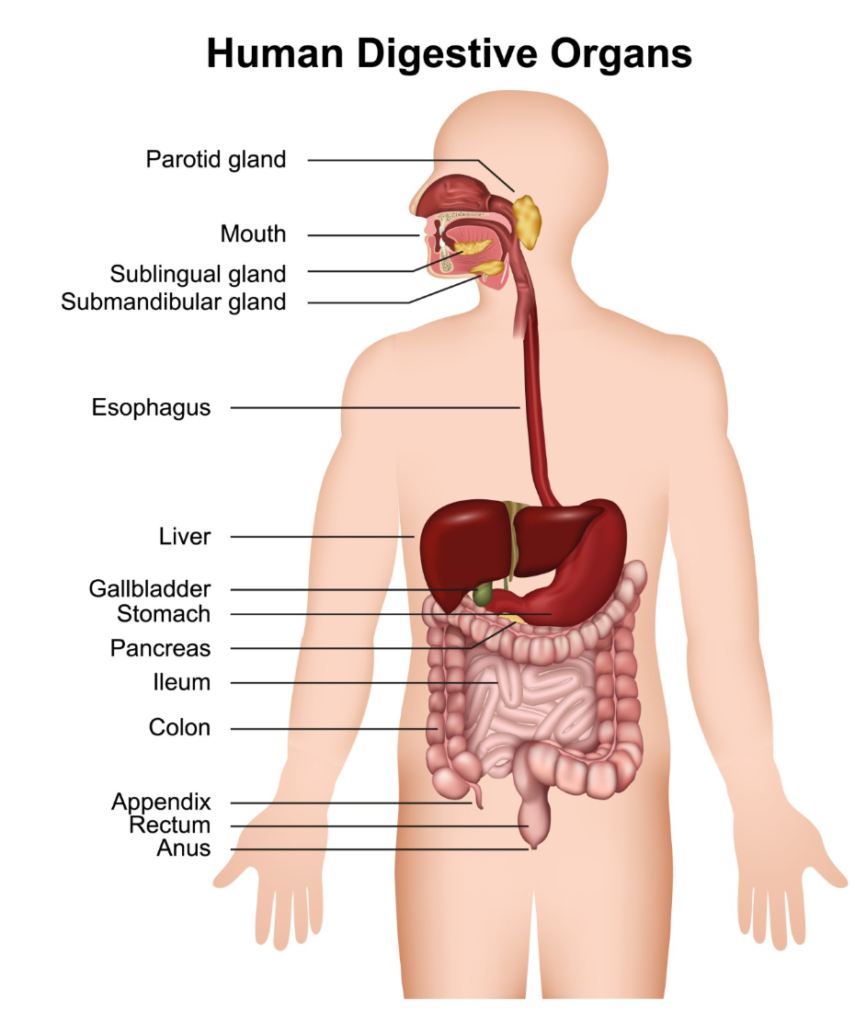
These chemicals can cause chronic, low level inflammation throughout the body, including in the lining of the large intestine. Over time, this persistent inflammation can damage the DNA within cells, leading to mutations that may eventually result in a tumour. By keeping body weight within a recommended range, the level of these inflammatory markers is reduced, providing a more stable environment for the cells of the bowel.
Visceral Fat and Hormonal Influence
The location of body fat is particularly important, as fat stored around the waist and internal organs, known as visceral fat, is more closely linked to bowel cancer than fat stored elsewhere. Visceral fat is metabolically active and produces high levels of hormones and growth factors. One such hormone is insulin; individuals with excess body fat often produce higher levels of insulin to manage blood sugar, a state that can stimulate the rapid division of cells in the bowel.
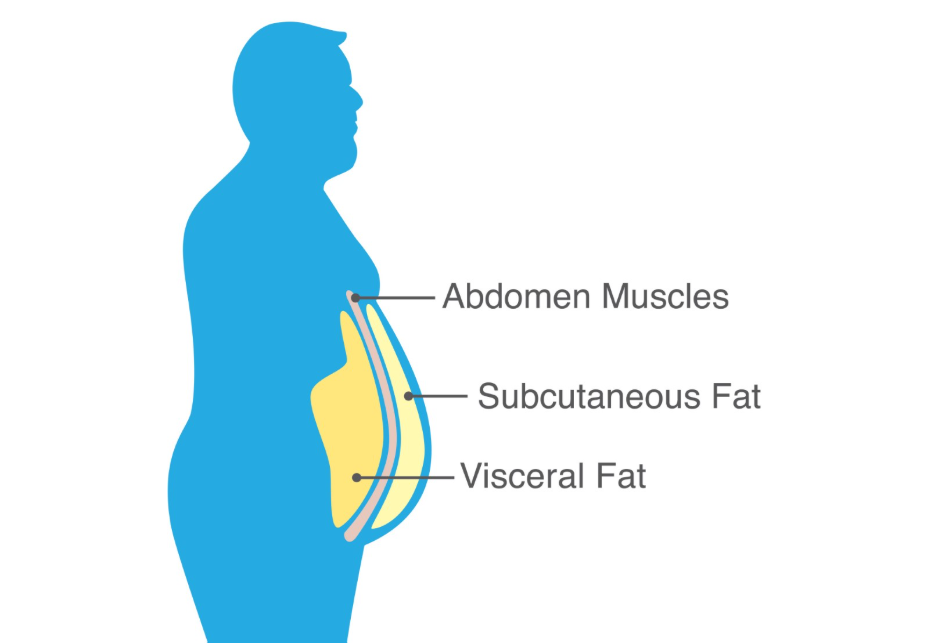
In addition to insulin, fat cells produce oestrogen and various adipokines that can signal cells to grow and divide more frequently. NICE guidelines emphasise that managing central adiposity is a key component of reducing the risk of several chronic diseases, including colorectal cancer. Reducing waist circumference through a combination of diet and exercise helps to lower these hormonal signals, effectively slowing down the biological processes that can lead to malignancy.
Healthy Weight Standards in the UK
The UK healthcare system primarily uses the Body Mass Index and waist measurements to assess whether an individual is at a healthy weight. For most adults, a healthy BMI is considered to be between 18.5 and 24.9. While BMI is a useful general indicator, healthcare professionals also look at waist size as an indicator of internal fat levels. Generally, men are encouraged to keep their waist measurement below 94cm, and women below 80cm, to minimise health risks.
| Category | BMI Range | Health Risk Level |
| Healthy Weight | 18.5 to 24.9 | Low risk |
| Overweight | 25 to 29.9 | Increased risk |
| Obese | 30 to 39.9 | High risk |
| Severely Obese | 40 or above | Very high risk |
It is important to note that these figures are general guidelines and may vary slightly based on ethnicity or specific medical history. The GOV.UK health pages provide resources for individuals to calculate their BMI and understand how their weight category relates to long term disease prevention. Achieving a healthy weight does not necessarily require rapid or extreme dieting; even modest, sustained weight loss has been shown to provide significant protective benefits for the bowel.
Weight Management After a Diagnosis
For those who have already been treated for bowel cancer, maintaining a healthy weight is vital for preventing the cancer from returning and for improving surgical recovery. Excess weight can make the recovery process more difficult by increasing the risk of wound infections and other postoperative complications. Furthermore, clinical studies suggest that maintaining a healthy BMI after treatment is associated with better long term survival outcomes.
Following treatment, patients are often encouraged to work with their clinical team to establish a sustainable weight management plan. This focus on long term health helps to mitigate the metabolic changes that can occur during chemotherapy or radiotherapy. By prioritising nutrient dense foods and regular physical activity, survivors can support their body’s resilience and reduce the systemic stress associated with being overweight.
Practical Steps Toward a Healthy Weight
Achieving a healthy weight involves making consistent, sustainable changes to dietary habits and physical activity levels. Prioritising foods high in dietary fibre, such as whole grains, legumes, and vegetables, is particularly beneficial for the bowel while also helping to regulate appetite. Reducing the intake of ultra processed foods and sugary drinks further assists in managing calorie intake without sacrificing essential nutrition.
Regular movement is the other essential half of the weight management equation. The UK recommendation of 150 minutes of moderate intensity activity per week helps to burn excess calories and specifically targets the reduction of visceral fat. Small, daily actions such as walking instead of driving or using stairs instead of lifts can accumulate to significant health benefits over time, making weight maintenance a more achievable goal for the general public.
Conclusion
Maintaining a healthy weight is a critical factor in the prevention of bowel cancer and the management of long term colorectal health. By reducing chronic inflammation and regulating hormone levels, weight management provides a powerful defence against the development of malignant cells. Adhering to UK health guidelines for BMI and waist circumference, supported by a balanced diet and regular exercise, offers a clear pathway to reducing cancer risk. If you experience severe, sudden, or worsening symptoms, call 999 immediately.
Does being overweight always cause bowel cancer?
No, being overweight increases the risk, but it is one of many factors including genetics, age, and other lifestyle habits.
Is waist size more important than BMI?
Both are useful, but waist size is often a better indicator of visceral fat, which is the type most closely linked to bowel cancer.
Can I still reduce my risk if I have been overweight for a long time?
Yes, losing weight at any stage can help reduce inflammation and lower the levels of growth factors in your body.
How does exercise help with weight if I don’t lose much fat?
Exercise helps even without significant weight loss by improving insulin sensitivity and reducing systemic inflammation.
Are there specific foods that help reduce abdominal fat?
No single food targets belly fat, but a high fibre, low sugar diet is the most effective for overall weight management.
Should I follow a low carb or low fat diet for bowel health?
The most important factor is a balanced diet high in fibre; extreme diets should be avoided unless recommended by a clinical professional.
Will my weight affect my bowel screening results?
Weight does not typically change the results of a stool test, but it may make a colonoscopy slightly more technically challenging for the clinician.
Authority Snapshot (E-E-A-T)
This article provides medically safe health information regarding weight and bowel cancer risk, strictly aligned with NHS and NICE clinical guidelines. The content is developed by a professional medical writing team and reviewed by Dr. Stefan Petrov, a UK-trained physician with experience in general medicine, surgery, and emergency care. All recommendations are based on current UK public health policy to ensure accuracy and patient safety.



