




Fatty liver disease, increasingly referred to as metabolic dysfunction associated steatotic liver disease, is a condition characterised by the accumulation of excess fat within the liver cells. While it is normal for the liver to contain a small amount of fat, the condition becomes clinically significant when fat makes up more than 5 to 10 percent of the organ’s total weight. This accumulation can occur due to excessive alcohol consumption or, more commonly in the United Kingdom, as a result of metabolic factors such as obesity, type 2 diabetes, and high cholesterol. When left unmanaged, the presence of excess fat can trigger a cascade of inflammation and cellular stress that gradually impairs the liver’s ability to perform its essential functions. Understanding the progression of this condition is vital for preventing irreversible damage and maintaining long term metabolic health.
What We’ll Discuss in This Article
- The primary differences between alcohol-related and non-alcoholic fatty liver disease.
- The four progressive stages of liver damage caused by fat accumulation.
- How excess fat interferes with the liver’s metabolic and filtration duties.
- Common risk factors and the role of insulin resistance.
- Methods used by the NHS to identify and monitor liver fat.
- The importance of lifestyle interventions in reversing early-stage damage.
Defining Fatty Liver Disease
Fatty liver disease is a broad term describing the buildup of lipids in hepatocytes, which are the primary functional cells of the liver. The condition is generally categorised into two main types: alcohol-related liver disease and non-alcoholic fatty liver disease (NAFLD). The NHS states that NAFLD is the term for a range of conditions caused by a buildup of fat in the liver and is usually seen in people who are overweight or obese.
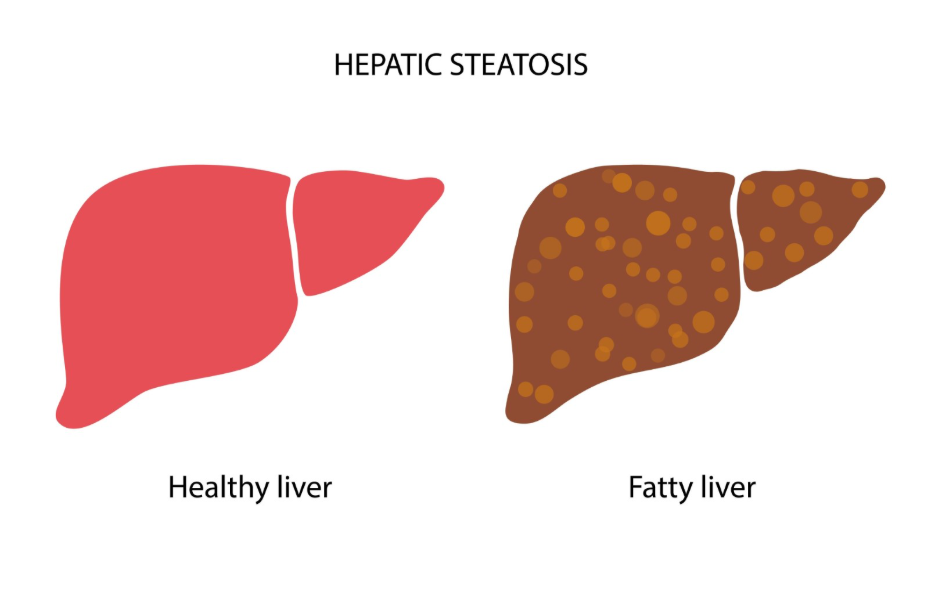
In both types, the physical presence of fat droplets within the liver cells causes the organ to enlarge and become heavy. While the initial stage of fat buildup, known as simple steatosis, may not cause immediate symptoms or damage, it renders the liver more vulnerable to further injury. In the UK, NAFLD is now one of the most common causes of chronic liver disease, largely driven by changing dietary habits and sedentary lifestyles. Because the liver performs over 500 vital functions, including processing nutrients and filtering toxins, any condition that disrupts its cellular structure can have widespread effects on health.
The Four Stages of Liver Progression
The impact of fatty liver disease on the organ is best understood as a progression through four distinct stages, moving from simple fat accumulation to severe scarring. Most people will remain in the first stage and may never realise they have the condition, but for others, the fat triggers a persistent inflammatory response. NICE clinical guidelines emphasise that identifying patients at risk of advanced fibrosis is essential because early stages of fatty liver disease are often reversible with lifestyle changes.
The stages are as follows:
- Simple Steatosis: This is the earliest stage where excess fat builds up in the liver cells but does not yet cause inflammation or damage.
- Non-Alcoholic Steatohepatitis (NASH): At this stage, the fat causes the liver to become inflamed, leading to the damage of liver cells.
- Fibrosis: Persistent inflammation leads to the development of scar tissue around the liver cells and blood vessels, though the liver can still function relatively well.
- Cirrhosis: This is the most advanced stage, where years of inflammation result in the liver shrinking and becoming lumpy and scarred; this damage is often permanent and can lead to liver failure.
How Fat Affects Liver Functionality
Excess fat affects the liver by causing oxidative stress and the release of inflammatory chemicals that damage the internal architecture of the organ. As fat droplets expand within the hepatocytes, they can physically obstruct the microscopic pathways through which blood and bile flow. This makes the liver less efficient at its primary tasks, such as synthesising proteins, regulating blood sugar, and detoxifying the blood.
The presence of fat also alters the liver’s role in metabolism. The liver becomes less sensitive to insulin, which can lead to higher blood sugar levels and a cycle that encourages even more fat to be stored. Over time, if the inflammation progresses to fibrosis, the soft, functional tissue is replaced by hard, non-functional scar tissue. This prevents the liver from receiving an adequate blood supply, further compromising its ability to regenerate and repair itself.
Risk Factors and Metabolic Links
The development of fatty liver disease is closely linked to metabolic syndrome, a cluster of conditions that increase the risk of heart disease and stroke. Individuals with high blood pressure, elevated triglycerides, and central obesity (excess fat around the waist) are at a significantly higher risk. Type 2 diabetes is a particularly strong driver of fatty liver disease, as insulin resistance promotes the transport of free fatty acids from adipose tissue directly into the liver.
| Risk Factor | Impact on the Liver |
| Obesity | Increases the supply of fat to the liver cells. |
| Type 2 Diabetes | Promotes fat storage through insulin resistance. |
| High Cholesterol | Leads to an imbalance of lipids in the blood. |
| Rapid Weight Loss | Can paradoxically stress the liver and trigger fat buildup. |
In addition to lifestyle factors, certain genetic predispositions can make some individuals more likely to accumulate liver fat even if they do not have a high body mass index. However, for the majority of the UK population, the condition is primarily influenced by the overconsumption of calories and a lack of physical activity.
Identification and Monitoring in the UK
Because fatty liver disease rarely causes symptoms in its early stages, it is often identified incidentally during blood tests or ultrasound scans performed for other reasons. The GOV.UK health pages highlight that liver disease is a significant public health challenge, with many cases being diagnosed only when the damage has reached an advanced stage.
Once suspected, clinicians use various tools to assess the severity of the condition. Liver function tests (LFTs) can show elevated enzymes, which suggest inflammation. To measure the amount of fat or the degree of scarring, a non-invasive ultrasound scan or a FibroScan may be used. A FibroScan measures the “stiffness” of the liver; the stiffer the liver, the more scar tissue is likely present. These checks help the medical team decide whether a patient requires simple lifestyle advice or more specialist monitoring by a hepatologist.
Conclusion
Fatty liver disease is a progressive condition where excess fat accumulation leads to inflammation and potential scarring of the liver tissue. While the early stages are often silent and reversible, advanced stages can significantly impair the liver’s vital functions and lead to permanent damage. Managing the condition relies heavily on addressing metabolic risk factors through healthy lifestyle choices and regular clinical monitoring. If you experience severe, sudden, or worsening symptoms, call 999 immediately.
Can fatty liver disease be reversed?
Yes, the early stages (steatosis and NASH) are often reversible through sustained weight loss, a healthy diet, and increased physical activity.
Does everyone with a fatty liver get cirrhosis?
No, only a small proportion of people with simple fat buildup will progress to the more serious stages of inflammation and scarring.
Is there a specific medication to treat fatty liver?
There is currently no specific medication licensed solely for fatty liver; treatment focuses on managing underlying conditions like diabetes and high blood pressure.
Do I need to stop drinking alcohol if I have non-alcoholic fatty liver disease?
While the cause is not alcohol, drinking can add extra stress to an already struggling liver, so reducing or stopping intake is highly recommended.
Can thin people get fatty liver disease?
Yes, “lean” fatty liver can occur due to genetics or metabolic issues, even if a person’s overall body weight is within the healthy range.
What are the symptoms of an inflamed fatty liver?
Most people have no symptoms, but some may experience a dull ache in the top right of the tummy or extreme tiredness.
How much weight do I need to lose to improve my liver?
Losing even 5 to 10 percent of your body weight has been shown to significantly reduce liver fat and inflammation.
Authority Snapshot (E-E-A-T)
This article provides medically factual health education regarding fatty liver disease, strictly aligned with NHS and NICE clinical protocols. The content is developed by a professional medical writing team and reviewed by Dr. Rebecca Fernandez, a UK-trained physician with experience in internal medicine, surgery, and emergency care. All information follows current UK public health standards to ensure accuracy and patient safety.



