




Cirrhosis is a late stage of liver scarring caused by various forms of liver diseases and conditions, such as hepatitis and chronic alcoholism. Each time the liver is injured, whether by excessive alcohol consumption, viral infection, or another cause, it attempts to repair itself. In this process, scar tissue forms; as cirrhosis progresses, more and more scar tissue forms, making it difficult for the liver to function. Advanced cirrhosis is life threatening because the liver cannot perform its essential duties, such as detoxifying the blood and producing vital proteins. While the liver damage caused by cirrhosis generally cannot be undone, further damage can often be limited if the underlying cause is identified and managed early.
What We’ll Discuss in This Article
- The definition of cirrhosis as the final stage of liver fibrosis.
- Common causes of liver scarring in the United Kingdom.
- The physiological process by which scar tissue replaces healthy liver cells.
- How cirrhosis disrupts blood flow and causes portal hypertension.
- The impact of reduced liver function on the rest of the body.
- Clinical monitoring and management of the condition within the NHS.
Defining Cirrhosis and Its Development
Cirrhosis is defined as the extensive scarring of the liver, which results in the loss of normal liver architecture and the formation of regenerative nodules. This condition is not a disease in itself but rather the result of long term, continuous damage to the liver from various sources. The NHS describes cirrhosis as scarring of the liver caused by continuous, long term liver damage which eventually prevents the organ from working properly.
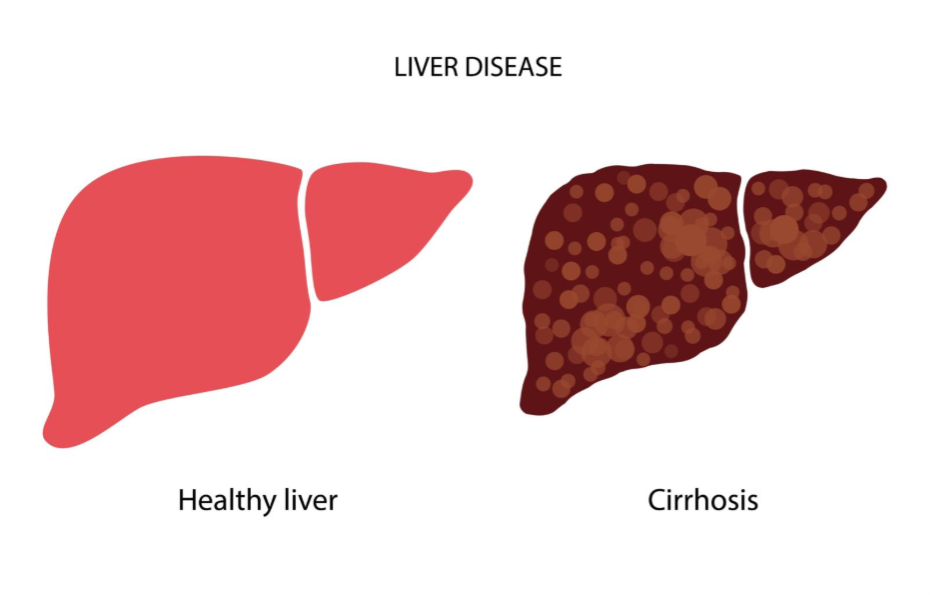
In the early stages, known as compensated cirrhosis, the liver may still be able to perform most of its functions despite the presence of scar tissue. However, as the scarring becomes more widespread, the liver enters a decompensated state where it can no longer meet the body’s metabolic needs. In the UK, the most frequent causes of this progression include non-alcoholic fatty liver disease, alcohol related liver disease, and chronic viral hepatitis B or C. Because the liver is a resilient organ, cirrhosis often develops silently over many years before any noticeable symptoms appear.
The Process of Liver Scarring
Cirrhosis damages the liver by replacing soft, healthy tissue with hard, fibrous scar tissue through a process called fibrogenesis. When liver cells are repeatedly injured, the body triggers an inflammatory response that activates specialised cells to produce collagen. While this is meant to be a healing mechanism, chronic injury leads to an overproduction of collagen, which eventually smothers the healthy liver cells.
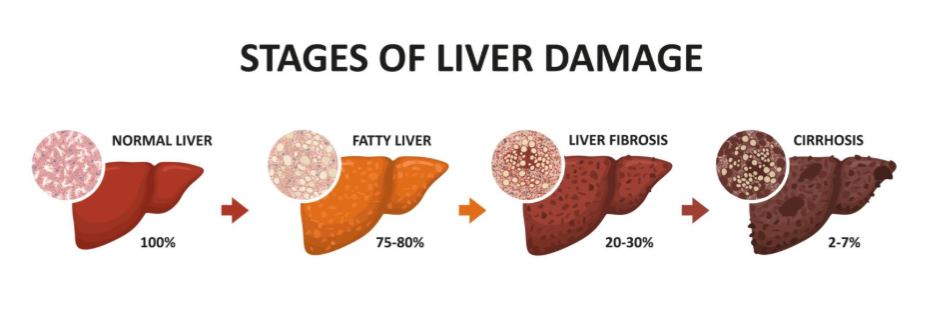
As the scar tissue builds up, it physically alters the internal structure of the liver. The smooth, uniform tissue becomes lumpy and distorted, which interferes with the liver’s ability to process nutrients, hormones, and drugs. This structural change is largely irreversible once it reaches the stage of cirrhosis. The loss of healthy cells means the liver has less capacity to produce bile for digestion and proteins for blood clotting, leading to widespread systemic issues.
Portal Hypertension and Blood Flow
One of the most significant ways cirrhosis damages the liver and surrounding organs is by obstructing the normal flow of blood through the liver. The liver receives a large volume of blood from the digestive organs via the portal vein. In a cirrhotic liver, the dense scar tissue creates resistance to this blood flow, much like a blockage in a pipe.
This resistance causes high blood pressure in the portal vein, a condition known as portal hypertension. To bypass the blockage, blood is diverted into smaller, more fragile veins in the stomach and oesophagus. These veins can become enlarged and may rupture, causing serious internal bleeding. Portal hypertension also contributes to the accumulation of fluid in the abdomen, known as ascites, and can lead to swelling in the legs. NICE clinical guidelines state that the management of portal hypertension is a critical component of care for patients with advanced liver cirrhosis to prevent life threatening complications.
Impact on Detoxification and Metabolism
The liver is the body’s primary filtration system, and cirrhosis severely impairs its ability to remove toxins from the bloodstream. Under normal conditions, the liver breaks down ammonia, a byproduct of protein digestion, into urea to be excreted. When the liver is heavily scarred, ammonia can build up in the blood and eventually travel to the brain.
This accumulation of toxins can lead to hepatic encephalopathy, a condition characterised by confusion, personality changes, and in severe cases, coma. Additionally, a cirrhotic liver cannot effectively regulate blood sugar levels or store essential vitamins and minerals. The reduction in the production of clotting factors also increases the risk of bruising and prolonged bleeding from minor injuries. These metabolic failures demonstrate how liver damage from cirrhosis affects almost every other organ system in the body.
Long Term Monitoring and Complications
Individuals diagnosed with cirrhosis in the UK require lifelong clinical monitoring to manage the condition and screen for further complications. One of the most significant risks associated with cirrhosis is the development of primary liver cancer, specifically hepatocellular carcinoma. The constant cycle of cell damage and attempted repair in a scarred liver provides an environment where cancerous mutations are more likely to occur.
| Complication | Underlying Cause | Clinical Manifestation |
| Ascites | Portal hypertension | Fluid buildup in the abdomen |
| Varices | Redirected blood flow | Enlarged veins in the throat/stomach |
| Jaundice | Poor bilirubin processing | Yellowing of skin and eyes |
| Encephalopathy | Failure to filter toxins | Confusion and cognitive decline |
According to the GOV.UK health pages, regular surveillance using ultrasound scans and blood tests is essential for the early detection of liver cancer in patients with known cirrhosis. Monitoring also involves regular blood tests to check the liver’s synthetic function and non invasive scans to assess the level of portal hypertension. By managing the underlying cause, such as stopping alcohol consumption or treating viral hepatitis, healthcare teams aim to stabilise the liver and prevent the transition from compensated to decompensated cirrhosis.
Conclusion
Cirrhosis is the advanced stage of liver scarring that permanently alters the organ’s structure and impairs its vital functions. By obstructing blood flow and replacing functional cells with fibrous tissue, cirrhosis leads to serious complications such as portal hypertension and systemic toxicity. While the scarring itself is usually permanent, early intervention and consistent clinical monitoring can help manage the condition and protect the patient’s long term health. If you experience severe, sudden, or worsening symptoms, call 999 immediately.
Can you live a normal life with cirrhosis?
Many people with compensated cirrhosis can lead active lives for many years if the underlying cause is managed and they follow medical advice.
Is cirrhosis always caused by alcohol?
No, cirrhosis can be caused by many factors including fatty liver disease, hepatitis B or C, and certain autoimmune or genetic conditions.
Can the liver repair itself if you have cirrhosis?
While the liver is very good at regenerating, the thick scar tissue of cirrhosis is generally considered permanent, though the healthy parts can be protected.
How do doctors check for cirrhosis?
Diagnosis usually involves a combination of blood tests, physical examinations, and imaging scans like an ultrasound or a FibroScan.
What is the difference between fibrosis and cirrhosis?
Fibrosis is the initial stage of scarring; cirrhosis is the advanced stage where the scarring is widespread and the liver’s shape has changed.
Why does cirrhosis cause yellow skin?
The yellowing, called jaundice, occurs because the scarred liver cannot effectively process bilirubin, a waste product from old red blood cells.
Is a liver transplant the only cure for cirrhosis?
A transplant is the only way to replace a failing cirrhotic liver, but many patients are managed successfully with medication and lifestyle changes.
Authority Snapshot (E-E-A-T)
This article provides medically factual health education regarding cirrhosis, strictly aligned with NHS and NICE clinical protocols. The content is developed by a professional medical writing team and reviewed by Dr. Rebecca Fernandez, a UK-trained physician with experience across internal medicine, surgery, and emergency care. All information follows current UK public health standards to ensure accuracy and patient safety.



