




Liver cancer is a serious condition that occurs when abnormal cells in the liver grow in an uncontrolled way, eventually forming a tumour that interferes with the organ’s vital functions. The disease is classified into two main categories: primary liver cancer, which starts directly in the liver tissue, and secondary liver cancer, which begins in another part of the body and spreads to the liver. Because the liver is responsible for filtering blood, processing nutrients, and detoxifying harmful substances, the development of cancerous cells can have widespread consequences for a person’s health. In the United Kingdom, medical professionals focus on identifying the underlying causes of this cellular change, which is often linked to long term liver damage and inflammation. Understanding the biological origins of the disease is essential for implementing effective screening and preventative measures for those at a higher clinical risk.
What We’ll Discuss in This Article
- The biological process by which liver cancer begins at a cellular level.
- The difference between primary and secondary liver cancer types.
- Common risk factors including cirrhosis and viral hepatitis.
- How chronic inflammation triggers DNA mutations in liver cells.
- The progression of tumour growth and its impact on liver function.
- Methods used in the UK for the early detection and monitoring of the disease.
The Cellular Origins of Liver Cancer
Liver cancer begins when the genetic material within a liver cell undergoes a mutation, causing the cell to grow and divide more rapidly than the body requires. Under normal conditions, liver cells follow a regulated cycle of birth, function, and death, ensuring the organ remains healthy and efficient. However, when DNA damage occurs, the affected cell may bypass these natural checks, leading to the formation of a mass of abnormal tissue known as a tumour. The NHS states that primary liver cancer is a relatively uncommon but serious type of cancer that starts in the liver and is often associated with existing liver damage.
As the abnormal cells multiply, they can disrupt the intricate internal architecture of the liver, which consists of lobes, blood vessels, and bile ducts. Primary liver cancer most commonly originates in the hepatocytes, which are the main functional cells of the liver. When the cancer begins in these cells, it is called hepatocellular carcinoma. Less commonly, cancer can begin in the cells lining the bile ducts, a condition known as cholangiocarcinoma. In both instances, the initial cellular change is a gradual process that often occurs over many years of cumulative damage.
Primary vs. Secondary Liver Cancer
It is important to distinguish between cancer that originates in the liver and cancer that has travelled to the liver from elsewhere, as the treatment and outlook for these conditions differ. Primary liver cancer is specifically a disease of the liver tissue itself, whereas secondary (metastatic) liver cancer involves cells from a different organ, such as the bowel, lung, or breast, settling in the liver.
| Feature | Primary Liver Cancer | Secondary Liver Cancer |
| Origin | Starts in liver cells | Starts in another organ |
| Cell Type | Hepatocytes or bile duct cells | Matches the original organ’s cells |
| Common Causes | Cirrhosis, Hepatitis B or C | Advanced cancer in another part of the body |
| Prevalence | Less common than secondary | More common than primary |
In the UK, secondary liver cancer is more prevalent because the liver receives a high volume of blood from the rest of the body, making it a common site for wandering cancer cells to settle. However, when medical professionals speak about “liver cancer” as a specific condition, they are usually referring to primary hepatocellular carcinoma. Understanding which type is present is the first step in the clinical pathway used by NHS specialists.
The Role of Chronic Inflammation and Damage
Liver cancer rarely develops in a healthy organ; instead, it most frequently begins in a liver that has been weakened by chronic inflammation or significant scarring. When the liver is repeatedly injured, it attempts to repair itself by creating new cells. This high rate of cell turnover, combined with persistent inflammation, increases the mathematical probability that a genetic error will occur during cell division.
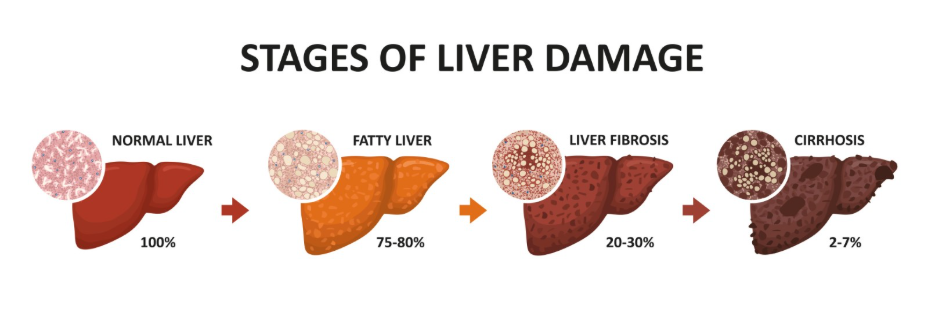
NICE clinical guidelines highlight that the risk of primary liver cancer is significantly increased in individuals who have developed cirrhosis, regardless of the underlying cause of the scarring. Cirrhosis is the most significant risk factor for hepatocellular carcinoma in the UK. This long-term scarring provides a biological environment where abnormal cell growth is more likely to be triggered. Other conditions that cause chronic inflammation, such as non-alcoholic fatty liver disease or autoimmune hepatitis, can also set the stage for the beginning of the cancerous process.
Viral Hepatitis and Genetic Changes
Certain viruses, specifically Hepatitis B and Hepatitis C, are known to directly contribute to the beginning of liver cancer by integrating into the DNA of liver cells or causing persistent immune mediated damage. These viruses can cause a state of chronic hepatitis, where the liver is under constant attack. Over time, the virus can disrupt the normal genes that control cell growth, essentially “turning on” the cancer process.
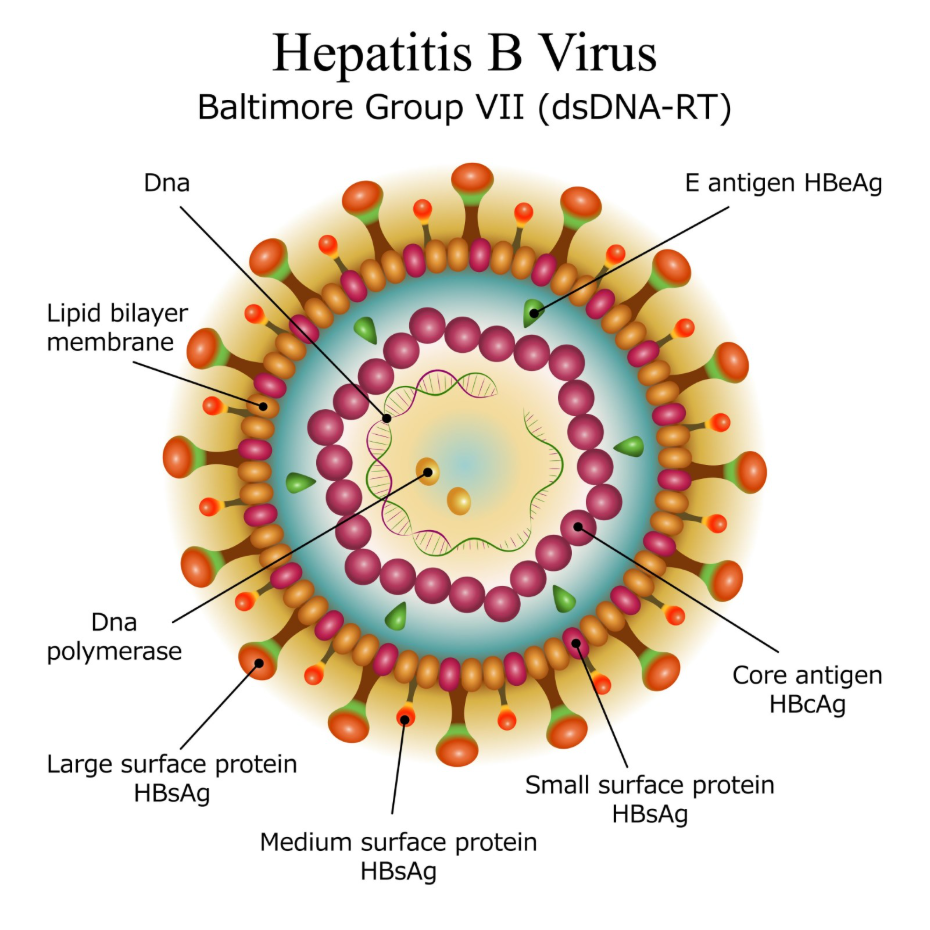
In some cases, especially with Hepatitis B, the cancer can begin even before significant cirrhosis has developed. This is why the UK healthcare system places a high priority on the vaccination against Hepatitis B and the curative treatment of Hepatitis C. By removing or suppressing these viral triggers, the risk of the initial DNA mutations occurring is greatly reduced. Regular monitoring of individuals with these chronic infections is a standard part of the NHS preventative strategy to catch any abnormal growth at the earliest possible stage.
Tumour Progression and Impact on Health
Once the cancer has begun and a tumour has formed, it starts to compete with healthy liver tissue for blood and nutrients. As the tumour expands, it can compress the surrounding healthy cells, leading to a decline in the liver’s ability to produce essential proteins for blood clotting and waste removal. The tumour may also block the bile ducts, causing bilirubin to build up in the blood and resulting in the yellowing of the skin and eyes known as jaundice.
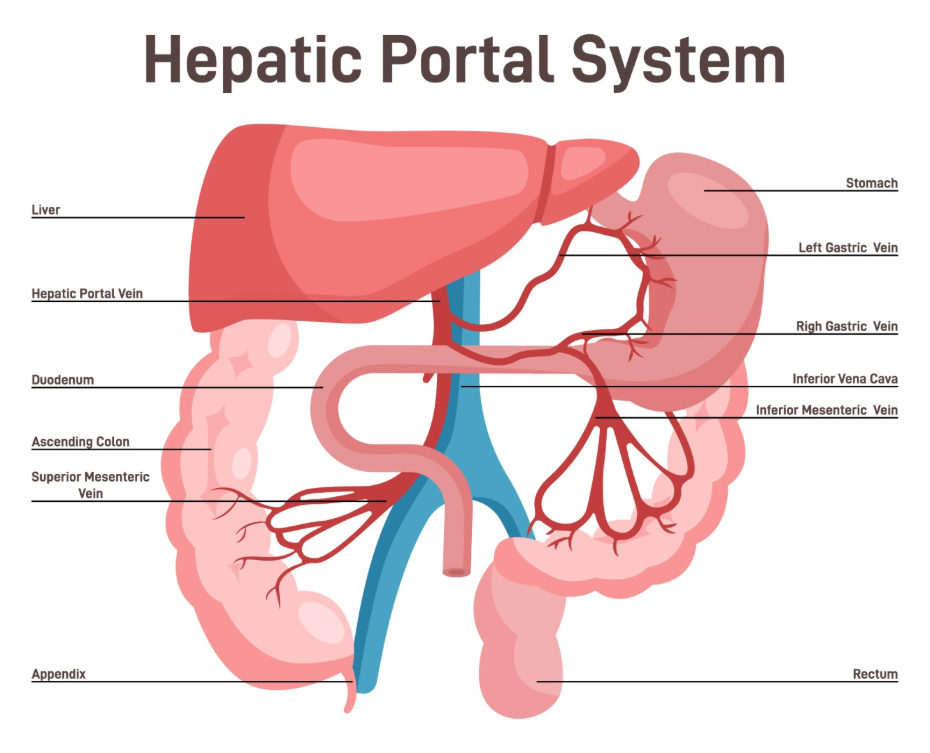
If the cancer begins near major blood vessels, such as the portal vein, it can interfere with the blood flow into the liver, leading to high pressure in the venous system. This can cause complications elsewhere in the digestive system. The GOV.UK health pages indicate that because liver cancer often begins silently in an already damaged organ, regular surveillance for high risk patients is necessary to ensure any tumours are found before they cause severe symptoms. This surveillance usually involves a combination of ultrasound scans and blood tests to look for specific markers produced by liver cancer cells.
Conclusion
Liver cancer begins at a cellular level when DNA mutations cause uncontrolled growth, a process most often triggered by chronic inflammation or long term scarring. Whether it is primary cancer starting in the liver cells or secondary cancer spreading from elsewhere, the disease fundamentally alters the organ’s ability to maintain the body’s health. By managing risk factors such as cirrhosis and viral hepatitis, and through consistent clinical monitoring, healthcare providers in the UK aim to detect these changes as early as possible. If you experience severe, sudden, or worsening symptoms, call 999 immediately.
Does everyone with cirrhosis get liver cancer?
No, while cirrhosis is a major risk factor, only a proportion of people with the condition will go on to develop liver cancer.
Can liver cancer start without any previous liver disease?
It is possible, but it is much more common for the cancer to begin in a liver that has already been affected by inflammation or scarring.
Is liver cancer hereditary?
Most cases are not directly inherited, but certain genetic conditions that cause liver damage, like haemochromatosis, can increase the risk.
How do doctors see if cancer has begun in the liver?
Specialists use imaging such as ultrasound, CT, or MRI scans, alongside blood tests for a protein called alpha-fetoprotein.
Can a healthy lifestyle prevent liver cancer from starting?
Reducing alcohol intake, maintaining a healthy weight, and being vaccinated against Hepatitis B are all effective ways to lower the risk.
What is the difference between a cyst and a cancerous tumour?
A cyst is usually a harmless fluid filled sac, whereas a cancerous tumour is a solid mass of abnormal cells that can grow and spread.
Why does liver cancer often have no symptoms at the start?
The liver is a large organ and can often continue to function reasonably well until a tumour becomes quite large or blocks a vital structure.
Authority Snapshot (E-E-A-T)
This article provides medically factual health information regarding the origins of liver cancer, strictly aligned with NHS and NICE clinical protocols. The content is developed by a professional medical writing team and reviewed by Dr. Rebecca Fernandez, a UK-trained physician with extensive experience in internal medicine, surgery, and emergency care. All information follows current UK public health standards to ensure accuracy and patient safety.



