




Non-alcoholic fatty liver disease describes a range of conditions that begin with the accumulation of excess fat in the liver and can, in some cases, advance to severe scarring. While many individuals with a fatty liver do not experience significant health problems, for others, the presence of fat triggers a persistent inflammatory response that gradually damages liver cells. Over many years, this inflammation can cause the formation of fibrous scar tissue, a process known as fibrosis. If the underlying causes of the fat accumulation are not addressed, the scarring can become so extensive that the liver’s structure is permanently altered, resulting in a condition called cirrhosis. In the United Kingdom, healthcare strategies focus on identifying the disease in its early, reversible stages to prevent the long-term complications associated with advanced liver failure.
What We’ll Discuss in This Article
- The four clinical stages of non-alcoholic fatty liver disease.
- The transition from simple fat buildup to active inflammation.
- The biological process of fibrosis and scar tissue formation.
- How extensive scarring eventually leads to a diagnosis of cirrhosis.
- Factors that accelerate the progression of liver damage.
- Clinical methods used in the UK to monitor liver health over time.
The Initial Stage: Simple Steatosis
The progression begins with simple steatosis, which is the buildup of fat within the liver cells without any evidence of inflammation or cell damage. This stage is common in the UK and is often linked to metabolic factors such as obesity, high cholesterol, and type 2 diabetes. The NHS notes that most people with non-alcoholic fatty liver disease will only ever develop the first stage of the condition and may not even realise they have it.
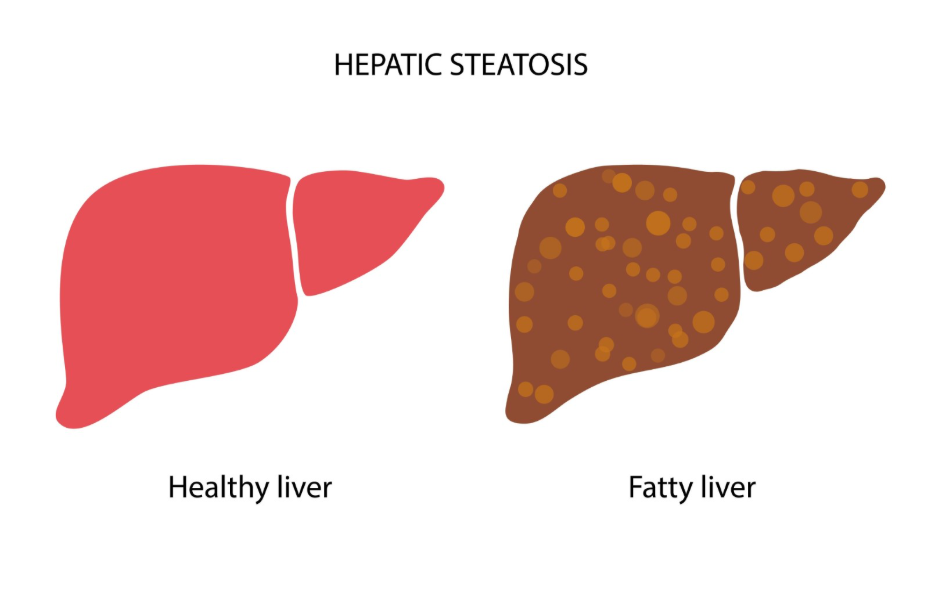
At this stage, the liver can still function normally, and the condition is usually reversible through sustained lifestyle changes. However, the presence of fat makes the liver more sensitive to secondary injuries. If the metabolic stress continues, the liver may eventually reach a threshold where the fat droplets trigger a biological “alarm” in the immune system, leading to the next, more serious stage of the disease.
Transition to Non-Alcoholic Steatohepatitis (NASH)
The disease becomes more aggressive when it transitions into non-alcoholic steatohepatitis, a stage characterised by active inflammation and injury to the liver cells. In NASH, the excess fat causes oxidative stress, which damages the internal components of the hepatocytes. The body responds to this damage by sending inflammatory cells to the liver to attempt to repair the site of injury.
This persistent inflammation is the turning point for potential long-term damage. Unlike simple steatosis, NASH is a condition that requires careful clinical monitoring because the ongoing cell death provides the signal for the liver to begin creating scar tissue. While many people with NASH still do not experience outward symptoms, blood tests may show elevated liver enzymes, indicating that the organ is under significant stress.
The Development of Fibrosis
Fibrosis occurs when the liver attempts to heal the inflammation of NASH by replacing damaged liver cells with fibrous connective tissue. This scar tissue is composed primarily of collagen, which is tough and inflexible. In the early stages of fibrosis, the liver can still perform its vital functions, and the scarring may be limited to specific areas around the blood vessels or liver lobules.
As the cycle of inflammation and repair continues over several years, the scar tissue begins to connect, forming “bridges” throughout the organ. This progressive scarring reduces the amount of healthy, functional liver tissue available. NICE clinical guidelines emphasise that identifying patients with advanced fibrosis is a priority because this stage represents the final opportunity to prevent the transition to irreversible cirrhosis.
The Final Stage: Cirrhosis
Cirrhosis is the most advanced stage of fatty liver disease, where the liver is heavily scarred and its normal architecture is completely distorted. At this point, the liver has moved from being soft and smooth to being hard and lumpy. The extensive scar tissue obstructs the flow of blood through the liver, which can lead to high pressure in the portal vein and other serious systemic complications.
In a cirrhotic liver, the damage is generally considered permanent, although the organ may still be able to function well enough for a person to feel healthy for a period. This is known as compensated cirrhosis. However, if the liver can no longer meet the body’s metabolic needs, it enters a state of decompensation. According to the GOV.UK health pages, cirrhosis significantly increases the risk of liver failure and primary liver cancer, making regular surveillance essential for those at this stage.
Factors Affecting the Speed of Progression
The speed at which fatty liver disease progresses into cirrhosis varies significantly between individuals and is influenced by several metabolic and lifestyle factors. People who have poorly controlled type 2 diabetes or high blood pressure tend to see a faster progression of liver scarring. This is because insulin resistance and high blood sugar provide a constant source of stress that fuels liver inflammation.
| Factor | Impact on Progression |
| Alcohol Consumption | Even small amounts can accelerate scarring in a fatty liver. |
| Obesity | Sustained high BMI maintains the supply of fat to the liver. |
| Age and Genetics | Older age and certain genetic markers can increase risk. |
| Co-infections | Viruses like Hepatitis B or C can significantly speed up damage. |
Lifestyle choices, particularly diet and activity levels, remain the most influential factors. A diet high in refined sugars and saturated fats can keep the liver in a state of chronic inflammation, whereas a healthy weight and regular exercise can halt or even reverse the early stages of fibrosis. Monitoring these risk factors is a central part of the care plan for any UK patient with a fatty liver diagnosis.
Clinical Monitoring in the UK
UK clinicians use a variety of non-invasive tools to track the progression of fatty liver disease and determine if a patient is moving toward cirrhosis. Blood tests, such as the liver function test, provide an initial look at inflammation levels. To assess the actual physical state of the liver, doctors often use a Fibro Scan, which uses ultrasound technology to measure liver “stiffness.”
The stiffer the liver, the more likely it is that significant scarring has occurred. These scans are typically repeated every few years for patients with NASH to ensure that any progression is caught early. If cirrhosis is suspected, the patient is often referred to a hepatologist for more specialised care, which may include regular ultrasound scans to screen for liver cancer. This structured monitoring ensures that patients receive the appropriate level of intervention based on the current stage of their liver health.
Conclusion
Fatty liver disease progresses into cirrhosis through a slow, multi-stage process where fat accumulation leads to persistent inflammation and the gradual formation of scar tissue. While the initial stages are often silent and reversible, the development of advanced fibrosis and cirrhosis represents a significant risk to long term health. Managing metabolic risk factors and maintaining a healthy lifestyle are the most effective ways to stop this progression. If you experience severe, sudden, or worsening symptoms, call 999 immediately.
How long does it take for fatty liver to become cirrhosis?
The process is usually very slow and typically takes several decades of persistent inflammation and damage.
Can I stop the progression if I have already developed some scarring?
Yes, early-stage fibrosis can often be halted or even improved if the underlying cause, such as weight or diabetes, is well managed.
Do all people with fatty liver eventually get cirrhosis?
No, only a small percentage of people with non-alcoholic fatty liver disease will progress to the more serious stages of NASH and cirrhosis.
Are there any symptoms that show my liver is scarring?
Early stages often have no symptoms, but advanced scarring may cause persistent tiredness, a dull ache in the upper right tummy, or unexplained weight loss.
Does a “liver detox” help prevent cirrhosis?
No, there is no scientific evidence that detox products work; the only proven way to protect the liver is through a healthy diet and avoiding alcohol.
Is a liver biopsy always needed to check for cirrhosis?
No, in the UK, non-invasive tests like the Fibro Scan are now the standard way to check for liver scarring without the need for a biopsy.
Can thin people develop cirrhosis from fatty liver disease?
Yes, while less common, “lean” fatty liver can occur due to genetics or metabolic issues and can progress in the same way.
Authority Snapshot (E-E-A-T)
This article provides medically factual health information regarding the progression of liver disease, strictly aligned with NHS and NICE clinical protocols. The content is developed by a professional medical writing team and reviewed by Dr. Rebecca Fernandez, a UK-trained physician with extensive experience in internal medicine, surgery, and emergency care. All information follows current UK public health standards to ensure accuracy and patient safety.



