Liver cirrhosis is the result of long-term damage that leads to extensive scarring of the liver tissue, and while alcohol consumption is a well-known factor, many other medical conditions can trigger this progressive scarring. Cirrhosis occurs when the liver is repeatedly injured by inflammation or toxins, causing the healthy liver cells to be replaced by fibrous scar tissue. This process can be driven by viral infections, metabolic disorders, or the body’s own immune system attacking the liver. In the United Kingdom, identifying the specific underlying cause of liver damage is a clinical priority, as early intervention can often slow or stop the progression toward full cirrhosis. Understanding that cirrhosis can affect individuals regardless of their alcohol intake is essential for reducing stigma and ensuring that patients receive appropriate diagnostic testing and specialist care.
What We’ll Discuss in This Article
- The role of chronic viral hepatitis in developing liver scarring.
- How non-alcoholic fatty liver disease has become a leading cause of cirrhosis.
- Autoimmune conditions where the body attacks its own liver cells.
- Genetic and inherited disorders that lead to toxic metal accumulation.
- Conditions affecting the bile ducts and their impact on liver tissue.
- Rare vascular and metabolic causes of chronic liver damage.
Chronic Viral Hepatitis Infections
Chronic infection with the Hepatitis B or Hepatitis C virus is one of the most common non alcoholic causes of cirrhosis worldwide and remains a significant factor in the UK. These viruses cause persistent inflammation of the liver cells, which the body attempts to repair by creating fibrous tissue. The NHS notes that chronic hepatitis C is a leading cause of cirrhosis in the UK, although many people remain unaware they are infected for many years.
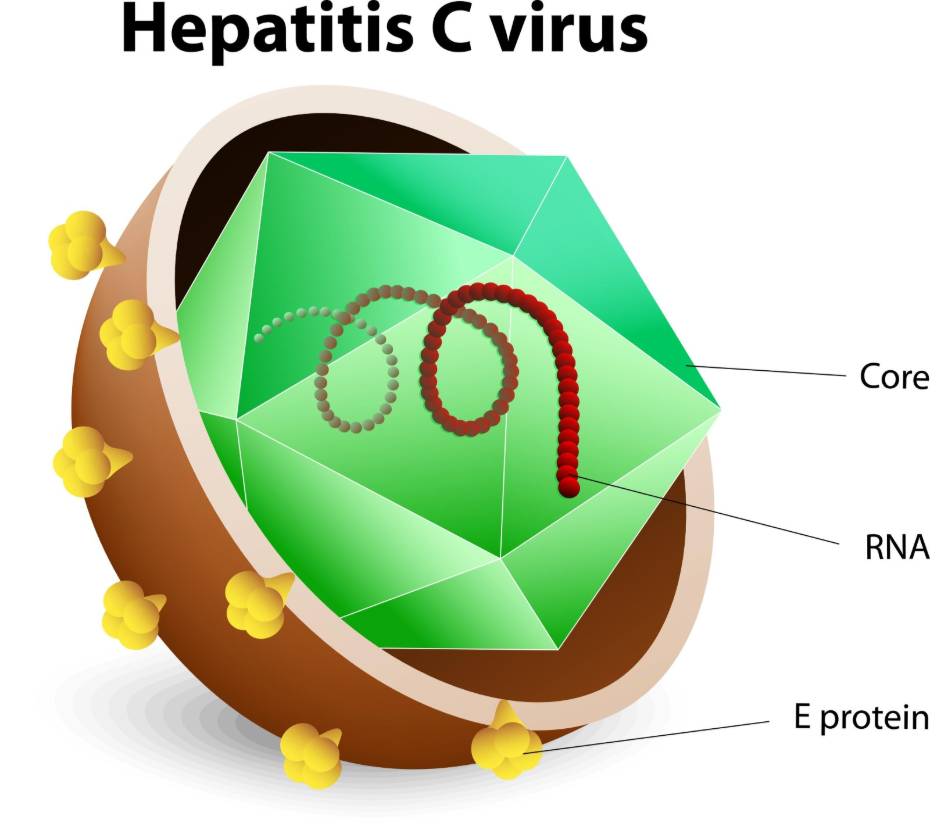
Hepatitis B can also lead to cirrhosis, particularly if the infection is acquired at birth or during early childhood and remains untreated for decades. Both viruses can quietly damage the liver without causing obvious symptoms until the scarring is advanced. Modern antiviral treatments for Hepatitis C can now cure the infection in most cases, significantly reducing the risk of further scarring. For Hepatitis B, long term medication can suppress the virus and protect the liver from the inflammatory cycle that leads to cirrhosis.
Non-Alcoholic Fatty Liver Disease (NAFLD)
Non-alcoholic fatty liver disease is a condition where excess fat builds up in the liver cells of people who drink little or no alcohol, and it is now a leading cause of cirrhosis in Western nations. This condition is closely linked to metabolic factors such as obesity, type 2 diabetes, and high cholesterol. NICE clinical guidelines state that non alcoholic fatty liver disease can progress to a more serious form called non alcoholic steatohepatitis, which involves inflammation and liver cell damage.
As the liver becomes inflamed due to the presence of excess fat, it undergoes the same scarring process seen in other forms of liver disease. Over many years, this can lead to advanced fibrosis and eventually cirrhosis. Because the early stages of fatty liver disease often have no symptoms, regular monitoring of metabolic health is essential for early detection. Management focuses on weight loss, exercise, and controlling underlying conditions like diabetes to reduce the fat load on the liver.
Autoimmune Liver Diseases
In some individuals, cirrhosis is caused by an autoimmune reaction where the body’s immune system mistakenly identifies liver cells or bile ducts as foreign and attacks them. Autoimmune hepatitis is a condition where the immune system attacks the hepatocytes (liver cells), causing chronic inflammation and progressive scarring. If not managed with immunosuppressant medication, this persistent attack will eventually lead to cirrhosis.
Other autoimmune conditions affect the bile ducts within the liver. Primary biliary cholangitis involves the slow destruction of the small bile ducts, while primary sclerosing cholangitis causes inflammation and scarring of the larger bile ducts. When bile cannot flow properly out of the liver, it backs up and causes toxic damage to the surrounding liver tissue, eventually resulting in widespread scarring. These conditions are often identified through specific blood tests for antibodies or imaging of the bile duct system.
Inherited and Genetic Disorders
Several rare genetic conditions can cause cirrhosis by allowing toxic substances to accumulate within the liver tissue over many years. Haemochromatosis is a relatively common genetic disorder in the UK that causes the body to absorb too much iron from food. This excess iron is stored in various organs, including the liver, where it triggers oxidative stress and inflammation that leads to cirrhosis.
Another inherited condition is Wilson’s disease, which causes copper to accumulate in the liver and brain. Additionally, alpha-1 antitrypsin deficiency is a genetic disorder where a protein made in the liver is not shaped correctly and gets stuck inside the liver cells instead of being released into the blood. The buildup of this abnormal protein is toxic to the liver cells and can cause cirrhosis in both children and adults. Early diagnosis of these genetic conditions through blood or DNA testing is vital for starting treatments that can prevent liver failure.
Conditions Affecting Bile Flow
Biliary atresia and other conditions that block or damage the bile ducts can lead to cirrhosis because bile is highly corrosive to liver tissue. In infants, biliary atresia is a serious condition where the bile ducts are abnormally narrow or blocked from birth. Without surgical intervention to restore bile flow, the liver quickly develops cirrhosis.
In adults, anything that chronically obstructs the bile ducts, such as gallstones lodged in the ducts or tumours, can eventually cause liver damage. The table below compares common biliary and autoimmune causes of liver scarring:
| Condition | Primary Target | Typical Patient Profile |
| Autoimmune Hepatitis | Liver cells (Hepatocytes) | Often females; any age |
| Primary Biliary Cholangitis | Small bile ducts | Often females over 40 |
| Primary Sclerosing Cholangitis | Large bile ducts | Often linked to inflammatory bowel disease |
| Biliary Atresia | All bile ducts | Newborn infants |
Vascular and Miscellaneous Causes
While less common, conditions that affect the blood flow into or out of the liver can also result in cirrhosis. Budd Chiari syndrome is a rare condition where blood clots block the veins that drain blood from the liver. This causes the liver to become congested and swollen, leading to rapid damage and scarring.
Some medications and environmental toxins can also cause liver damage that progresses to cirrhosis if exposure is long term. Certain heart conditions, such as chronic heart failure, can lead to “cardiac cirrhosis” because the heart is unable to pump blood effectively, causing blood to back up into the liver. The GOV.UK health pages indicate that while alcohol and hepatitis are major drivers, a thorough clinical investigation is required for every patient to identify these less common but significant causes of liver scarring.
Conclusion
Cirrhosis can be caused by a wide variety of factors beyond alcohol use, including viral infections, metabolic issues, autoimmune attacks, and genetic disorders. Regardless of the cause, the end result is a liver that is heavily scarred and unable to function properly. Identifying the underlying trigger through specialist testing is the first step in protecting the liver from further injury. If you experience severe, sudden, or worsening symptoms, call 999 immediately.
Is cirrhosis always permanent?
The scar tissue of advanced cirrhosis is generally considered permanent, but the healthy parts of the liver can be protected by treating the underlying cause.
Can a healthy diet prevent cirrhosis from fatty liver disease?
A healthy diet and maintaining a healthy weight are the most effective ways to reverse early fatty liver and prevent it from becoming cirrhosis.
How do I know if my liver is scarring?
Early scarring often has no symptoms; doctors use blood tests and non invasive scans like a FibroScan to check for liver stiffness.
Is autoimmune hepatitis hereditary?
While you may have a genetic predisposition to autoimmune issues, the condition itself is not directly passed down like some other genetic disorders.
Can children get cirrhosis?
Yes, children can develop cirrhosis from genetic conditions like Wilson’s disease or biliary problems like biliary atresia.
Does Hepatitis C always lead to cirrhosis?
No, if the virus is treated and cured early, the liver can often heal and the risk of developing cirrhosis is greatly reduced.
Can iron supplements cause cirrhosis?
Standard vitamins are safe, but people with haemochromatosis must avoid extra iron as their bodies already store too much.
Authority Snapshot (E-E-A-T)
This article provides medically factual health information regarding the causes of cirrhosis, strictly aligned with NHS and NICE clinical guidelines. The content is developed by a professional medical writing team and reviewed by Dr. Rebecca Fernandez, a UK-trained physician with experience in internal medicine, surgery, and emergency care. All guidance follows current UK public health protocols to ensure patient safety and clinical accuracy.