Liver cancer can develop in individuals who appear healthy because the liver is a resilient organ that can often continue to function effectively even when significant damage or cellular changes are occurring. This lack of early symptoms is a hallmark of many chronic liver conditions, meaning that the biological triggers for cancer may be present for years or decades without causing physical distress. In the United Kingdom, most cases of primary liver cancer are linked to underlying liver damage that has remained silent, such as undetected cirrhosis or chronic viral infections. Because the liver does not have pain receptors in its internal tissue, inflammation and the early stages of tumour growth often go unnoticed until the disease reaches a more advanced stage. Understanding the silent drivers of this condition is essential for identifying at risk individuals who may benefit from clinical screening before symptoms arise.
What We’ll Discuss in This Article
- The concept of the silent liver and why symptoms are often absent.
- The role of undetected cirrhosis as a primary driver of cancer.
- Chronic viral hepatitis as a silent contributor to cellular mutations.
- How non-alcoholic fatty liver disease can progress without warning.
- Genetic and environmental factors that trigger cancer in healthy tissue.
- The importance of clinical surveillance for individuals with hidden risks.
The Resilient Nature of the Liver
The primary reason liver cancer can occur in people with no symptoms is that the liver possesses a large functional reserve and the ability to regenerate itself until damage is quite extensive. An individual can often lose a significant portion of their liver function before they experience common signs of illness such as jaundice, swelling, or pain. The NHS states that primary liver cancer often does not cause symptoms in the early stages, or the symptoms may be vague and easy to mistake for other less serious conditions.
Furthermore, the liver is located deep within the abdominal cavity, protected by the ribcage. Small tumours or early-stage scarring do not typically cause physical discomfort because the liver tissue itself does not contain nerves that signal pain. Discomfort usually only occurs if a tumour grows large enough to stretch the capsule surrounding the liver or begins to press on neighbouring organs. Consequently, a person can feel perfectly well while the cellular mutations that lead to cancer are actively progressing.
Undetected or Silent Cirrhosis
Cirrhosis, which is extensive scarring of the liver, is the most common precursor to liver cancer in the UK, yet many people living with cirrhosis are completely unaware they have it. This is often referred to as compensated cirrhosis, where the remaining healthy parts of the liver work harder to make up for the scarred areas. NICE clinical guidelines highlight that cirrhosis is a major risk factor for hepatocellular carcinoma and that many patients are only diagnosed when they present with complications or through routine screening for other health issues.
Scarring can be caused by years of moderate alcohol use, metabolic issues, or undiagnosed viral infections. In these cases, the liver tissue is in a constant state of inflammation and repair. This cycle of cell death and regeneration increases the likelihood of DNA mutations occurring. Because the liver continues to filter blood and produce essential proteins during this phase, there are no outward clinical signs that the organ is in a high-risk state for developing a malignant tumour.
Silent Viral Hepatitis Infections
Chronic Hepatitis B and Hepatitis C are known as silent infections because they can stay in the body for decades without making a person feel ill, all while increasing the risk of liver cancer. These viruses directly interfere with the genetic material of liver cells. In some cases, particularly with Hepatitis B, the virus can trigger the development of cancer cells even before significant scarring or cirrhosis has occurred.
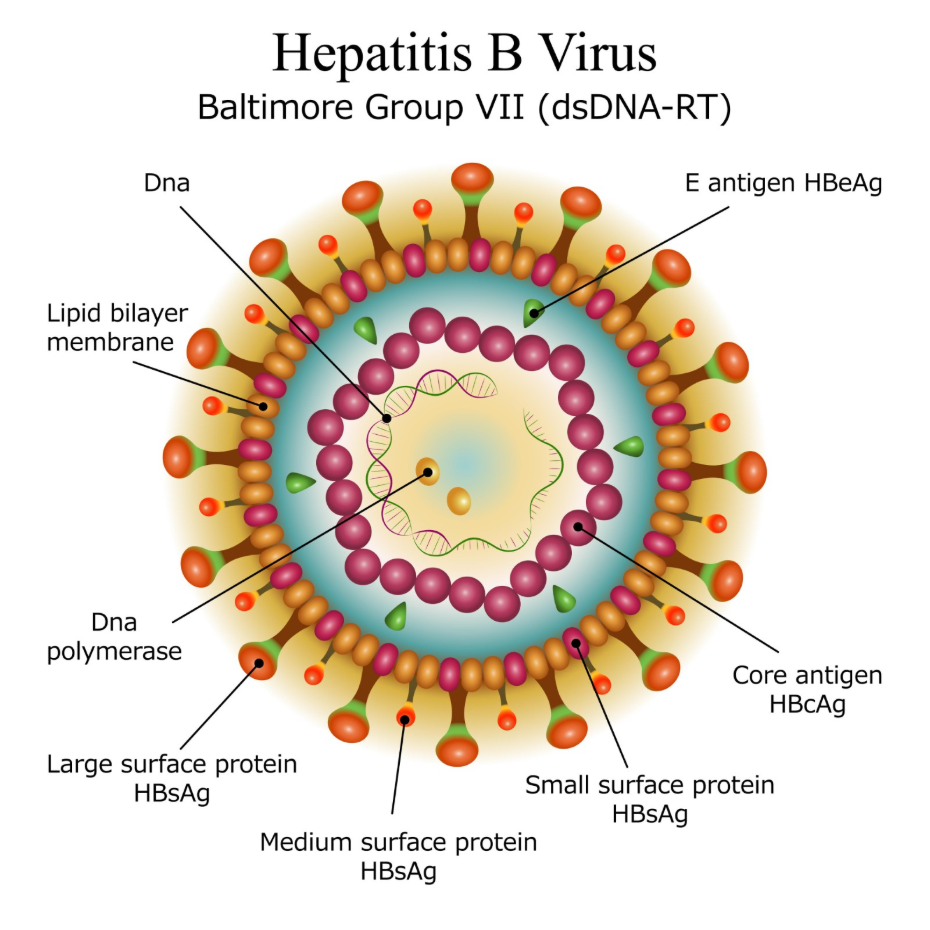
Many individuals in the UK who have these viruses were exposed many years ago and may not realise they are at risk. Because the infection does not typically cause pain or digestive upset in the chronic phase, the first indication of a problem may be the detection of a tumour during a scan for an unrelated reason. This is why public health efforts focus on testing individuals who may have been exposed in the past, regardless of whether they currently feel healthy.
Non-Alcoholic Fatty Liver Disease (NAFLD)
A growing cause of liver cancer in asymptomatic individuals is non alcoholic fatty liver disease, which is linked to obesity and type 2 diabetes. This condition begins with simple fat accumulation in the liver, which usually causes no symptoms. In some people, this fat leads to a more serious inflammatory condition called non-alcoholic steatohepatitis (NASH).
| Stage | Symptoms | Cancer Risk |
| Simple Fat | None | Very Low |
| Inflammation (NASH) | Fatigue (often ignored) | Moderate |
| Fibrosis/Cirrhosis | None (Compensated) | High |
| Cancerous Tumour | Often none early on | N/A |
NASH can progress to cirrhosis and liver cancer over several years. Because metabolic health issues are common, many people do not associate their weight or blood sugar levels with a specific risk of liver cancer. According to the GOV.UK health pages, the rising prevalence of metabolic risk factors in the UK population has led to an increase in liver cancer cases that are discovered in patients who were not previously known to have liver disease.
Genetic and Rare Environmental Triggers
In a smaller number of cases, liver cancer can begin in individuals with no history of liver disease due to rare genetic conditions or environmental exposures. Haemochromatosis is a genetic disorder where the body absorbs too much iron, which is then stored in the liver. While this can eventually lead to cirrhosis, the excess iron itself is toxic and can trigger the DNA damage needed for cancer to start.
Environmental factors, such as exposure to certain industrial chemicals or toxins like aflatoxins (produced by moulds on some stored crops), can also cause direct genetic damage to liver cells. While these are less common in the UK due to strict food safety and occupational health regulations, they represent pathways where cancer can begin without the typical background of long-term liver inflammation. In these instances, the transition from healthy tissue to cancerous growth may be more rapid, bypassing the usual warning signs of liver distress.
The Role of Clinical Surveillance
Because liver cancer often begins silently, the UK healthcare system uses targeted surveillance to monitor those known to have silent risk factors. For example, anyone diagnosed with cirrhosis or chronic Hepatitis B is offered an ultrasound scan and a blood test every six months. This frequency is designed to catch tumours while they are still small enough to be treated effectively, often before they cause any physical symptoms.
The goal of this surveillance is to shift the diagnosis from symptomatic detection to early clinical detection. For individuals who do not know they have a risk factor, the first sign of liver cancer may only appear when the tumour is large enough to affect the flow of bile or blood, or when it begins to impact the patient’s general health. This highlights the importance of general health checkups and blood tests that monitor liver enzymes, as these can sometimes provide the first clue that a silent process is occurring.
Conclusion
Liver cancer can occur in people without symptoms because the organ’s resilient nature allows it to function despite hidden damage such as silent cirrhosis or chronic viral infections. Metabolic factors and genetic predispositions can also trigger cellular changes without causing physical pain or digestive issues. Early detection relies on identifying these silent risks and maintaining consistent clinical surveillance. If you experience severe, sudden, or worsening symptoms, call 999 immediately.
Why doesn’t liver cancer cause pain in the beginning?
The liver tissue itself lacks pain receptors, so you generally only feel pain if the liver’s outer capsule is stretched or if the tumour affects nearby structures.
Can a normal blood test miss liver cancer?
Standard liver function tests measure enzymes and may not be abnormal in the early stages of cancer; specific imaging or tumour markers are often required.
Is it possible to have cirrhosis and feel completely healthy?
Yes, this is called compensated cirrhosis, where the healthy part of the liver performs the work of the scarred part, often for many years.
How often should I have my liver checked if I have a risk factor?
UK guidelines typically recommend a liver ultrasound and sometimes a blood test every six months for individuals with a high risk of liver cancer.
Does alcohol always cause symptoms before it causes cancer?
No, long term alcohol use can cause progressive liver scarring (cirrhosis) silently, which then significantly increases the risk of cancer developing.
Are there any subtle signs of liver disease I should look for?
While often silent, some people may experience persistent fatigue, unexplained weight loss, or a very slight dull ache in the upper right abdomen.
Can thin people get liver cancer from fatty liver disease?
Yes, while less common, “lean” fatty liver can occur due to genetics or metabolic issues and can progress to cancer without obvious symptoms.
Authority Snapshot (E-E-A-T)
This article provides medically factual health information regarding the silent causes of liver cancer, strictly aligned with NHS and NICE clinical protocols. The content is developed by a professional medical writing team and reviewed by Dr. Rebecca Fernandez, a UK-trained physician with experience in internal medicine, surgery, and emergency care. All information follows current UK public health standards to ensure accuracy and patient safety.