Fatty liver disease can indeed develop in individuals who are not considered obese and do not have diabetes, a condition often referred to as lean non-alcoholic fatty liver disease. While excess body weight and insulin resistance are the most common drivers of fat accumulation in the liver, other factors such as genetics, specific dietary patterns, and underlying metabolic imbalances can also trigger the condition. In the United Kingdom, healthcare professionals are increasingly identifying cases where individuals with a healthy body mass index exhibit significant liver fat. This highlights the importance of understanding that liver health is not solely determined by weight, but by a complex interplay of biology, lifestyle, and predispositions that may remain hidden without clinical investigation.
What We’ll Discuss in This Article
- The definition and prevalence of lean fatty liver disease.
- The role of genetic variations in liver fat metabolism.
- How visceral fat impacts the liver regardless of overall body weight.
- Dietary factors that promote liver fat in non-obese individuals.
- Medical conditions and medications that can trigger fat accumulation.
- Methods used by the NHS to screen for liver fat in healthy-weight patients.
Understanding Lean Fatty Liver Disease
Lean fatty liver disease refers to the accumulation of excess fat in the liver of individuals whose body mass index falls within the healthy range. In these cases, the liver still exhibits the characteristic buildup of lipids that can lead to inflammation and scarring if left unmanaged. The NHS notes that while non-alcoholic fatty liver disease is most common in people with obesity, it can also affect people who are a healthy weight.
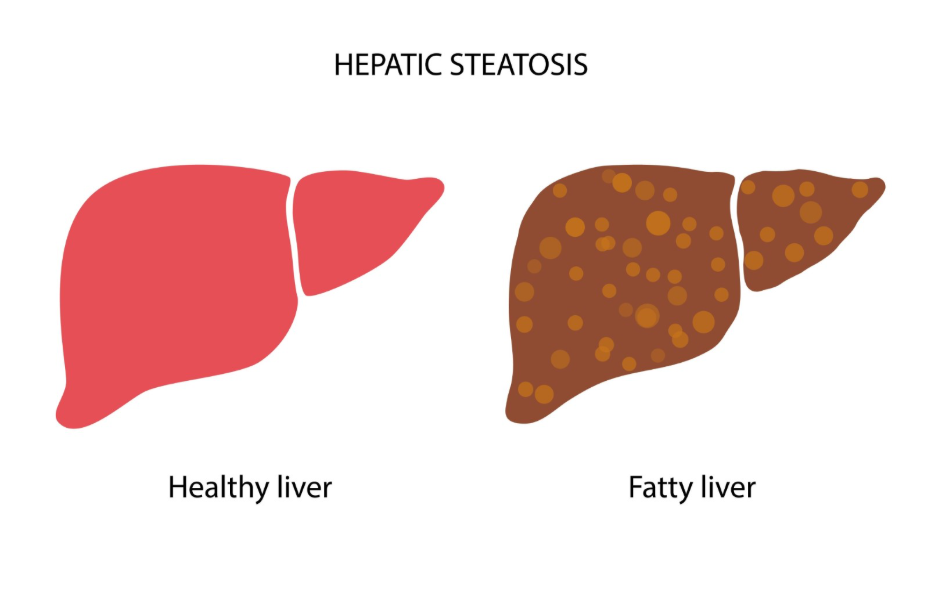
The biological processes involved in lean fatty liver are similar to those seen in patients with obesity, involving an imbalance between how the liver produces, imports, and exports fats. However, because these patients may not appear to be at risk based on their outward appearance, the condition may go undetected for longer. Identifying this group is essential because they may still face risks of progressive liver damage and cardiovascular issues despite having a normal weight.
The Role of Genetics
Genetic predisposition is a primary factor in the development of fatty liver disease in individuals who do not have traditional risk factors like obesity. Certain genetic variants, such as those in the PNPLA3 or TM6SF2 genes, affect the liver’s ability to break down fats or export them into the bloodstream as very-low-density lipoproteins. When these processes are impaired, fat droplets begin to accumulate within the hepatocytes even if the person consumes a standard number of calories.
These genetic markers can make an individual significantly more susceptible to liver fat, even with minor dietary indiscretions. In the UK, research into these genetic pathways helps clinicians understand why the disease manifests differently across the population. For individuals with these genetic traits, the threshold for developing liver inflammation may be much lower than for the general public, necessitating early clinical awareness.
Visceral Fat and Body Composition
An individual can have a healthy body mass index but still possess high levels of visceral fat, which is fat stored deep within the abdomen around the internal organs. This is sometimes referred to as being “thin on the outside, fat on the inside.” Visceral fat is metabolically active and releases free fatty acids and inflammatory chemicals directly into the portal vein, which leads straight to the liver.
| Feature | Lean Fatty Liver | Obesity-Related Fatty Liver |
| Body Mass Index | Healthy range (18.5 to 24.9) | Overweight or Obese (25 plus) |
| Primary Driver | Genetics / Visceral fat | Excess caloric intake / Insulin resistance |
| Insulin Sensitivity | May be normal or slightly reduced | Often significant resistance |
| Prevalence | Less common but increasing | Highly prevalent |
Body composition is a more accurate indicator of liver health than weight alone. People who have a sedentary lifestyle may have lower muscle mass and higher organ fat, creating an environment that encourages the liver to store lipids. This explains why some people who appear lean can still experience the same metabolic stress as those with higher body weights.
Dietary Factors in Non-Obese Individuals
Dietary choices can cause fat to build up in the liver regardless of a person’s total weight, particularly through the overconsumption of refined sugars and fructose. Fructose, commonly found in sweetened beverages and processed foods, is unique because it is processed almost entirely by the liver. When the liver receives a sudden influx of fructose, it converts the excess into fat through a process called de novo lipogenesis.
High consumption of ultra-processed foods and saturated fats can also trigger inflammatory responses in the liver tissue. Even if a person’s total caloric intake does not lead to weight gain, the specific composition of their diet can force the liver to store fat. This is often seen in individuals whose diets are high in simple carbohydrates but low in the fibre and nutrients required for healthy fat metabolism.
Medical Conditions and Medications
Certain underlying health conditions and the use of specific medications can trigger fat accumulation in the liver in non-obese patients. Conditions such as polycystic ovary syndrome, hypothyroidism, or sleep apnoea are known to be associated with metabolic changes that can affect the liver. Additionally, rare disorders that impact how the body absorbs or processes lipids can lead to secondary fatty liver disease.
Some medications used to manage heart conditions, epilepsy, or certain hormonal therapies can also have side effects that impact liver fat levels. The GOV.UK health pages indicate that while metabolic syndrome is the leading driver, clinicians must consider secondary causes and drug-induced steatosis when assessing liver fat in healthy-weight individuals. Patients on long-term medications are often monitored via blood tests to ensure their liver function remains stable.
Clinical Screening and Identification
Because people with a healthy weight may not be automatically screened for liver disease, the condition is often found incidentally during blood tests for other reasons. When liver enzymes such as ALT or GGT are slightly elevated, it may prompt a doctor to investigate further with an ultrasound or a Fibro Scan. NICE clinical guidelines recommend using non-invasive tests to assess for liver fat and scarring in individuals who show signs of metabolic dysfunction, regardless of their body mass index.
A Fibro Scan is particularly useful for lean patients as it provides an objective measurement of both liver fat (CAP score) and liver stiffness. This allows the clinical team to determine the severity of the fat buildup and whether any inflammation or early scarring is present. Early identification in lean patients is crucial, as they may require tailored lifestyle advice focusing on body composition and dietary quality rather than weight loss alone.
Conclusion
Fatty liver disease can develop in individuals without obesity or diabetes due to a combination of genetic factors, high levels of visceral fat, and specific dietary patterns. While less common than the obesity-related form, lean fatty liver disease poses similar risks to long-term liver health if it progresses to inflammation or scarring. Understanding individual risk factors and maintaining regular clinical check-ups is the best way to manage liver health across all body types. If you experience severe, sudden, or worsening symptoms, call 999 immediately.
If I am thin, should I be worried about my liver?
There is no need for worry, but being aware of your diet and metabolic health is important; if you have concerns, a simple blood test can check your liver enzymes.
Does exercise help if I am already at a healthy weight?
Yes, exercise is essential for reducing visceral organ fat and improving how your liver processes energy, even if you do not need to lose weight.
Can a healthy diet reverse liver fat in lean people?
In many cases, reducing sugar and processed foods can significantly lower liver fat levels by stopping the overproduction of lipids within the liver.
Are there specific symptoms of lean fatty liver?
Like most early liver conditions, it often has no symptoms, though some people report vague fatigue or a dull ache in the upper right abdomen.
Is lean fatty liver more dangerous than the obesity-related type?
Some research suggests that lean patients may have a higher risk of certain cardiovascular issues, so it is important to manage the condition carefully.
Can children get lean fatty liver disease?
Yes, children can develop the condition, often linked to high sugar consumption and genetic factors.
Will a standard ultrasound always find liver fat?
Ultrasounds are good at seeing fat when it makes up more than 20 to 30 percent of the liver, but a Fibro Scan is more sensitive for earlier stages.
Authority Snapshot (E-E-A-T)
This article provides medically factual health information regarding lean fatty liver disease, strictly aligned with NHS and NICE clinical protocols. The content is developed by a professional medical writing team and reviewed by Dr. Rebecca Fernandez, a UK-trained physician with experience in internal medicine, surgery, and emergency care. All information follows current UK public health standards to ensure accuracy and patient safety.