Long-term alcohol use does not always lead to cirrhosis or liver cancer, but it significantly increases the risk of developing these life-threatening conditions by causing persistent inflammation and cellular damage. While some individuals may consume alcohol for many years without developing advanced scarring, a significant proportion will experience a progression of liver disease that begins with a fatty liver and moves toward more severe stages. In the United Kingdom, alcohol-related liver disease is a leading cause of preventable illness, with the severity of the damage often depending on the quantity consumed, the duration of use, and individual biological factors. Because the liver is a highly resilient organ, it can often repair early-stage damage if alcohol consumption is stopped. However, once the damage progresses to cirrhosis, the structural changes become largely permanent and the risk of primary liver cancer rises substantially.
What We’ll Discuss in This Article
- The three stages of alcohol-related liver disease.
- Biological factors that determine why some people develop cirrhosis while others do not.
- How alcohol causes the inflammatory response that leads to scarring.
- The link between alcohol-induced cell regeneration and liver cancer.
- The importance of early detection and the potential for liver recovery.
- NHS recommendations for reducing liver health risks.
The Stages of Alcohol-Related Liver Disease
Alcohol-related liver disease usually progresses through three distinct stages, and only the final stage is characterised by the extensive scarring known as cirrhosis. The first stage is alcoholic fatty liver disease, where fat begins to build up inside the liver cells; this occurs in the vast majority of people who drink heavily and is typically reversible with abstinence. The NHS states that while alcoholic fatty liver disease rarely causes symptoms, it is a warning sign that you are drinking at a level that is harmful to your health.
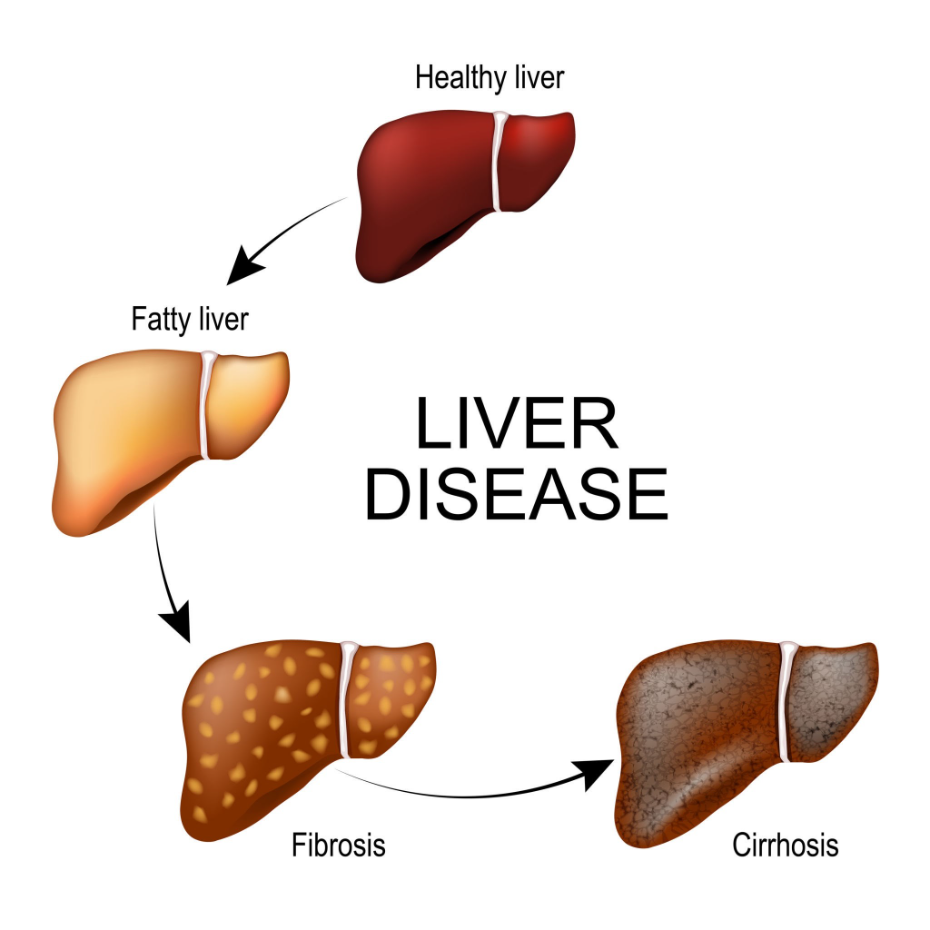
The second stage is alcoholic hepatitis, which involves more serious inflammation of the liver tissue. This stage can vary from mild to life-threatening and is often the point where physical symptoms first appear. If drinking continues, the persistent inflammation triggers the third stage, cirrhosis, where the liver is significantly scarred and its ability to function is severely impaired. Not everyone who drinks heavily will progress through all three stages, but the risk increases the longer and more heavily a person drinks.
Why Cirrhosis Does Not Affect Everyone Equally
Clinical evidence shows that only a minority of heavy drinkers, estimated at approximately 10 to 20 percent, will eventually develop cirrhosis. The reasons why some people are more susceptible to advanced liver scarring than others are complex and involve a combination of genetics, gender, and overall metabolic health. Women, for example, tend to develop liver damage more quickly than men even when consuming smaller amounts of alcohol over the same period.
Other factors that influence the progression to cirrhosis include the presence of co-existing liver conditions, such as non-alcoholic fatty liver disease or chronic viral hepatitis. Genetics also play a role, as certain individuals possess enzymes that process alcohol more slowly or have an immune system that responds more aggressively to liver injury. Because it is impossible to predict who will develop cirrhosis, UK health guidelines focus on universal limits to protect the widest possible population.
The Mechanism of Alcohol-Induced Damage
Alcohol damages the liver primarily through the toxic byproducts created when the body attempts to break down ethanol. The process of metabolising alcohol produces acetaldehyde, a highly reactive and toxic chemical that damages liver cell membranes and DNA. This chemical attack triggers an inflammatory response as the body sends white blood cells to the liver to clear the damage.
Over time, this chronic inflammation activates specialised cells called stellate cells, which produce collagen to create “patches” over the injured areas. In a healthy liver, this is a normal healing process, but in the context of long-term alcohol use, the collagen production becomes excessive. This results in the formation of fibrous scar tissue that eventually replaces functional liver cells and disrupts the organ’s internal blood flow. NICE clinical guidelines highlight that the cessation of alcohol consumption is the single most effective intervention for stopping the progression of this fibrosis.
The Relationship Between Alcohol and Liver Cancer
While not every heavy drinker develops cirrhosis, those who do reach the cirrhotic stage face a significantly higher risk of developing primary liver cancer. This occurs because cirrhosis forces the liver into a state of constant, rapid cell regeneration to compensate for the lost tissue. During this accelerated cell division, the risk of a genetic mutation occurring in the DNA increases.
If a mutation occurs in a gene that controls cell growth, the affected cell may begin to multiply uncontrollably, forming a malignant tumour known as hepatocellular carcinoma. Alcohol also acts as a co-carcinogen, meaning it can make it easier for other cancer-causing substances to damage liver cells. In the UK, anyone diagnosed with alcohol-related cirrhosis is placed on a surveillance pathway to screen for liver cancer every six months, as early detection is vital for successful treatment.
Recovery and Early Intervention
The liver is unique among human organs for its ability to regenerate and repair itself, provided the source of the injury is removed before permanent scarring occurs. In the early stages of alcohol-related liver disease, such as fatty liver or mild alcoholic hepatitis, the organ can often return to a completely healthy state if the individual stops drinking. Even in cases of early-stage fibrosis, the liver can stabilise and regain some function.
| Stage of Disease | Potential for Recovery | Recommended Action |
| Fatty Liver | Highly Reversible | Total abstinence for several weeks |
| Alcoholic Hepatitis | Potentially Reversible | Long-term abstinence and medical support |
| Cirrhosis | Generally Permanent | Permanent abstinence to prevent failure |
Once cirrhosis is established, the scarring is generally considered irreversible. However, stopping alcohol at this stage is still critical, as it prevents the remaining healthy tissue from becoming scarred and reduces the risk of life-threatening complications like liver failure or cancer. The GOV.UK health pages indicate that the reduction of alcohol-related harm is a major public health priority, as early intervention can significantly improve long-term survival rates.
Conclusion
Long-term alcohol use is a major risk factor for liver damage, but it does not always lead to cirrhosis or cancer. The progression of the disease is influenced by many factors, including the amount consumed and individual biological susceptibility. While early stages of liver damage can often be reversed through abstinence, advanced scarring represents a permanent change that requires lifelong medical monitoring. If you experience severe, sudden, or worsening symptoms, call 999 immediately.
Can I have cirrhosis without any symptoms?
Yes, the liver can often function well enough to avoid symptoms until the scarring is quite advanced, which is why regular checks are important for heavy drinkers.
Is it safe to drink again after my liver has healed from fatty liver?
It is generally advised to remain within the recommended UK limits (no more than 14 units a week) and to have several drink-free days to avoid re-triggering the damage.
How long does it take for a fatty liver to clear after stopping alcohol?
In most cases, if you stop drinking completely, the fat will begin to leave the liver cells within two to six weeks.
Does the type of alcohol I drink make a difference to liver risk?
No, the risk is determined by the total amount of ethanol (units) consumed, not whether it comes from beer, wine, or spirits.
Why are women at higher risk for alcohol-related liver disease?
Women generally have lower levels of the enzyme that breaks down alcohol and a different body water-to-fat ratio, leading to higher blood alcohol concentrations.
Can a healthy diet protect me from alcohol-related cirrhosis?
A good diet is important, but it cannot prevent the direct toxic effects of alcohol on the liver cells if consumption is excessive.
How do doctors check for liver scarring?
Specialists use a combination of blood tests and non-invasive scans like a FibroScan, which measures the stiffness of the liver tissue.
Authority Snapshot (E-E-A-T)
This article provides medically factual health information regarding alcohol-related liver disease, strictly aligned with NHS and NICE clinical guidelines. The content is developed by a professional medical writing team and reviewed by Dr. Rebecca Fernandez, a UK-trained physician with extensive experience in internal medicine, surgery, and emergency care. All information follows current UK public health standards to ensure accuracy and patient safety.