Jaundice can occur in both newborns and adults, although the underlying biological mechanisms and clinical implications often differ significantly between these two age groups. The condition is defined by a yellowing of the skin and the whites of the eyes caused by a buildup of bilirubin, a yellow pigment produced during the normal breakdown of red blood cells. While newborn jaundice is a very common and often temporary physiological occurrence as an infant’s liver develops, jaundice in adults is typically a sign of an underlying health issue involving the liver, gallbladder, or blood. In the United Kingdom, healthcare protocols ensure that both groups receive appropriate monitoring to manage bilirubin levels and address any potential complications. Understanding the distinction between the developmental causes in infants and the pathological causes in adults is essential for providing accurate health education. Whether it appears in the first days of life or later in adulthood, the presence of jaundice serves as a visible indicator of the body’s current capacity to process and excrete metabolic waste products.
What We’ll Discuss in This Article
- The biological production and processing of bilirubin in the body.
- Why physiological jaundice is a common occurrence in newborn infants.
- The primary causes of jaundice in adults, including liver and biliary issues.
- How symptoms and waste products like urine and stools differ by age.
- UK clinical pathways for monitoring and managing bilirubin levels.
- The role of the liver in maintaining metabolic balance across the lifespan.
The Shared Mechanism of Bilirubin Accumulation
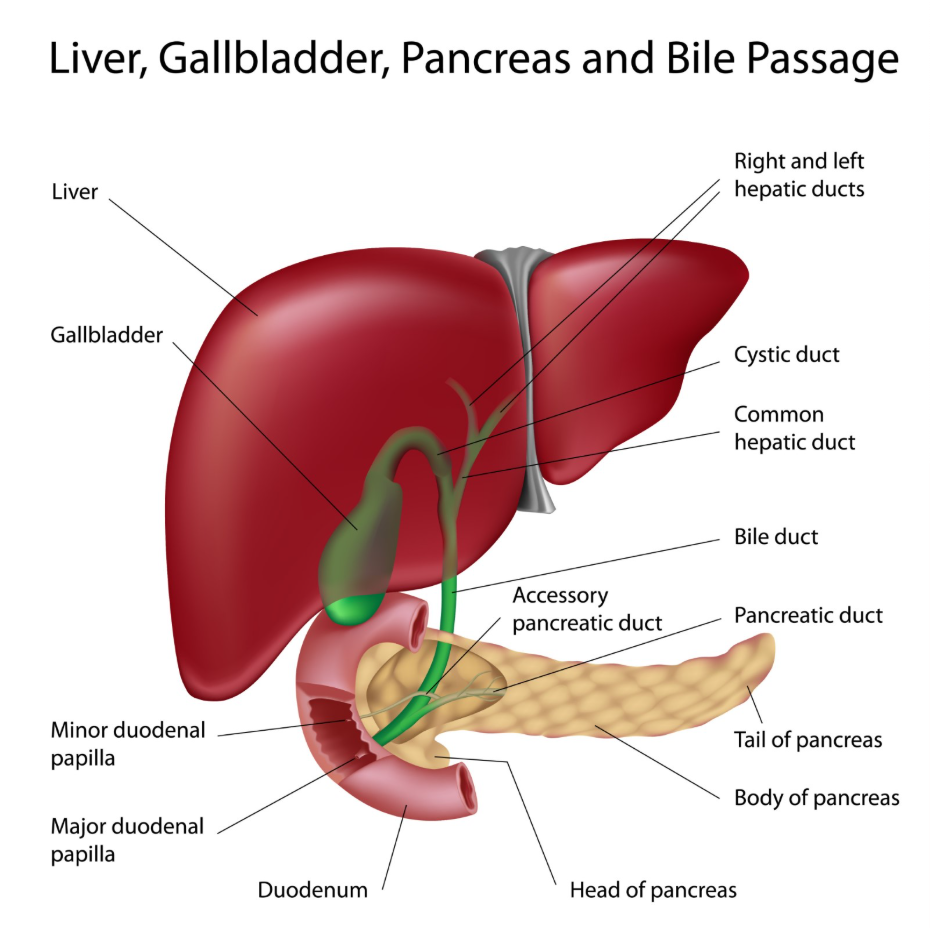
Jaundice in both newborns and adults is caused by the accumulation of bilirubin in the blood, which then deposits into the skin and eyes. Bilirubin is created when the body recycles old red blood cells, and it must be processed by the liver to become water-soluble so it can be excreted in bile. The NHS states that jaundice is caused by the build-up of bilirubin in the blood, which can happen if the liver is not working properly or if there is a problem with the bile ducts.
If the liver cannot process the bilirubin fast enough, or if the drainage system is blocked, the concentration of this yellow pigment rises in the circulatory system. Because bilirubin has a high affinity for elastic tissue, it settles into the skin and the sclera of the eyes, creating the characteristic yellow hue. While this physical manifestation is the same regardless of age, the reason the system is overwhelmed varies according to the patient’s stage of development and overall health status.
Newborn Jaundice: A Developmental Transition
Newborn jaundice is very common and usually happens because a baby’s liver is still developing and cannot yet remove bilirubin from the blood as efficiently as an adult’s. This is often referred to as physiological jaundice and typically appears two to three days after birth. Infants also have a higher turnover of red blood cells compared to adults, which means they produce more bilirubin at a time when their liver’s processing machinery is not yet fully functional.
Most cases of newborn jaundice are mild and resolve on their own within two weeks as the liver matures. NICE clinical guidelines for jaundice in newborn babies emphasise that while it is usually harmless, babies must be monitored to ensure bilirubin levels do not reach a threshold that could lead to rare but serious complications. If levels are high, treatments such as phototherapy are used in UK hospitals to help break down the bilirubin through the skin. This developmental delay is a normal part of transitioning to life outside the womb for many infants.
Jaundice in Adults: An Indicator of Underlying Health
Jaundice in adults is almost always an indicator of an underlying medical condition that requires investigation, as an adult liver should normally be able to process bilirubin effectively. Unlike the developmental causes seen in infants, adult jaundice is often related to liver damage, obstructions in the bile ducts, or disorders that cause the rapid destruction of red blood cells. In the UK, adult jaundice is categorised based on where the problem occurs: pre-hepatic (blood), intra-hepatic (liver), or post-hepatic (drainage).
| Type of Jaundice | Common Causes in Adults | Clinical Sign |
| Pre-hepatic | Haematological conditions | Normal urine and stools. |
| Intra-hepatic | Hepatitis, Cirrhosis, Alcohol | Dark urine; normal to pale stools. |
| Post-hepatic | Gallstones, Tumours | Very dark urine; pale/clay stools. |
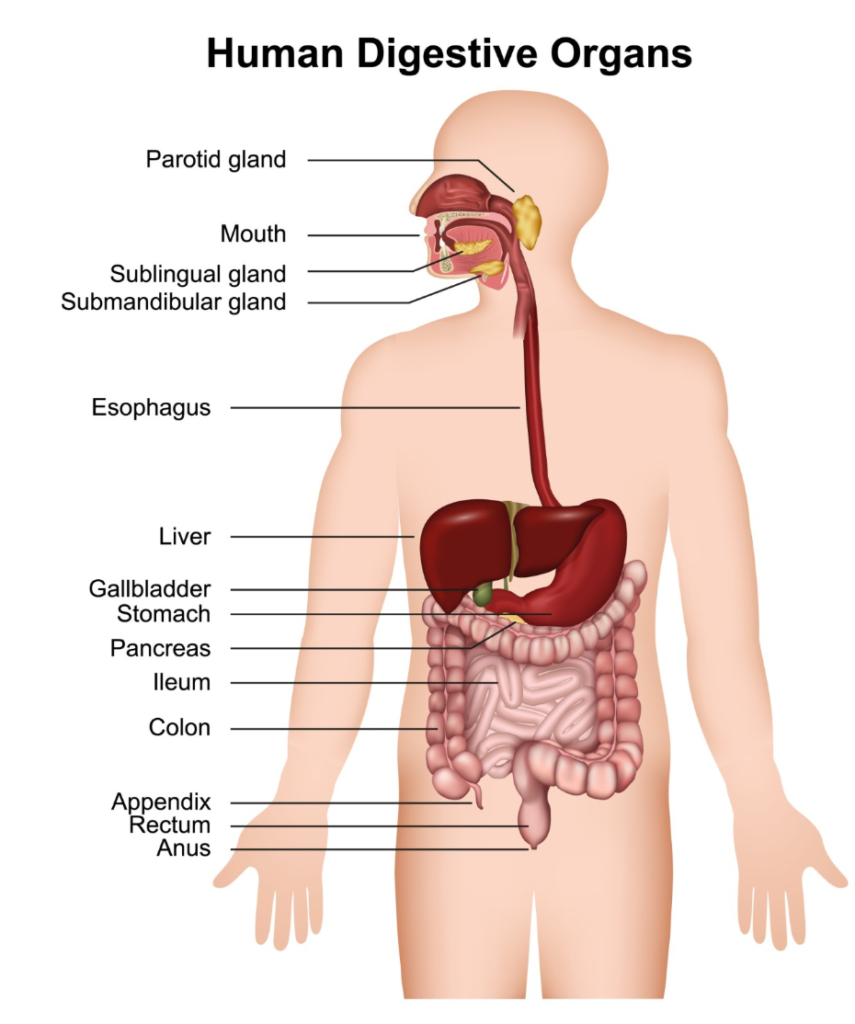
Conditions such as viral hepatitis, alcohol-related liver disease, or gallstones are frequent triggers for adult jaundice. Because the adult body is fully developed, any failure to clear bilirubin suggests that one of these systems is under stress or physically blocked. Identifying the source is a priority for UK clinicians to ensure that the liver or biliary system is supported and that the underlying cause is addressed.
Differences in Symptoms and Waste Discoloration
The symptoms accompanying jaundice often differ between newborns and adults, particularly regarding how the condition affects waste products like urine and stools. In physiological newborn jaundice, the urine and stools are usually a normal colour because the bilirubin involved is primarily unconjugated. In contrast, many adults with jaundice experience significant changes in waste colour, which provides vital clues about the source of the issue.
In adults with obstructive (post-hepatic) jaundice, the urine becomes very dark because the kidneys are filtering out water-soluble bilirubin that cannot drain into the gut. Simultaneously, the stools become pale or clay-coloured because the pigment that normally turns them brown is missing from the digestive tract. Adults may also experience intense itching, known as pruritus, which is rare in newborns. These secondary signs are essential for UK healthcare professionals when performing a clinical assessment to differentiate between blood-related and organ-related issues.
UK Clinical Management and Monitoring
Clinical management in the UK for both newborns and adults focuses on the safe monitoring of bilirubin levels and the rapid identification of the cause. For newborns, health visitors and midwives perform regular visual checks and may use a skin sensor or blood test if the jaundice appears significant. The goal is to ensure the infant is feeding well and that bilirubin levels remain within safe clinical limits.
The GOV.UK health pages indicate that for adults, the appearance of jaundice should be reviewed by a medical professional to rule out serious obstructions or advanced liver scarring. Adults typically undergo a series of blood tests known as liver function tests and imaging such as an ultrasound or CT scan. This structured approach ensures that whether the patient is a two-day-old infant or a sixty-year-old adult, the clinical management is tailored to the specific risks associated with their age and the likely source of the bilirubin buildup.
Conclusion
Jaundice can occur in both newborns and adults, representing a developmental phase in infants and an underlying health indicator in adults. While newborn jaundice is often a temporary result of an immature liver, adult jaundice requires clinical investigation to identify issues with the liver, blood, or biliary system. Monitoring waste colour and bilirubin levels is a standard part of UK healthcare for both groups to ensure patient safety. Identifying the cause early is the most effective way to manage the condition and support long-term health. If you experience severe, sudden, or worsening symptoms, call 999 immediately.
Why is jaundice so common in babies?
Newborns produce more bilirubin than adults and their developing livers are not yet fully able to remove it from the blood.
Does yellow skin always mean liver disease in adults?
Not necessarily; it could be caused by gallstones or blood conditions, which is why a medical assessment is needed.
How is newborn jaundice treated in the UK?
Mild cases need no treatment, but higher levels are treated with phototherapy, where special lights help the baby’s body break down bilirubin.
Can breastfeeding cause jaundice?
Yes, a type called breast milk jaundice can occur, but it is usually harmless and does not mean you should stop breastfeeding.
Why do doctors check the eyes of adults for jaundice?
The whites of the eyes contain elastin which bilirubin binds to easily, making it one of the first places yellowing becomes visible.
Is jaundice contagious?
Jaundice itself is a symptom and not contagious, though some causes like viral hepatitis can be passed to others.
Will jaundice go away on its own?
In newborns it usually does, but in adults, it typically persists until the underlying medical cause is treated.
Authority Snapshot (E-E-A-T)
This article provides medically factual health education regarding jaundice in newborns and adults, strictly aligned with NHS and NICE clinical guidelines. The content is developed by a professional medical writing team and reviewed by Dr. Stefan Petrov, a UK-trained physician with experience in general medicine, surgery, and emergency care. All information follows current UK public health protocols to ensure accuracy and patient safety.