Jaundice is a clinical sign of an underlying medical condition that affects the body’s ability to process or excrete bilirubin, a yellow pigment produced during the natural breakdown of red blood cells. In a healthy biological system, the liver filters bilirubin from the blood and passes it into the digestive tract through a series of drainage tubes known as bile ducts. When a medical condition interrupts this pathway, bilirubin levels rise in the circulatory system and eventually deposit into the skin and eyes, creating a yellow hue. In the United Kingdom, healthcare professionals categorise the causes of jaundice based on whether the issue originates in the blood, the liver tissue itself, or the biliary drainage system. Identifying the specific condition is essential for providing effective management and supporting organ function. Because jaundice is a visible indicator of internal dysfunction, any new yellowing of the skin or eyes requires clinical investigation to determine which system is under stress.
What We’ll Discuss in This Article
- The biological process of bilirubin production and filtration.
- Liver conditions such as hepatitis and cirrhosis that trigger jaundice.
- The role of gallstones and biliary obstructions in pigment buildup.
- Blood disorders that lead to an overproduction of bilirubin.
- Benign genetic conditions that cause fluctuating jaundice levels.
- How UK clinical pathways investigate and categorise these conditions.
Liver Tissue Conditions and Inflammation
Liver tissue conditions are among the most common causes of jaundice in adults, occurring when the organ’s internal machinery is too damaged or inflamed to filter bilirubin effectively. Conditions such as viral hepatitis, alcohol-related liver disease, and non-alcoholic fatty liver disease cause the liver cells to swell or become scarred. The NHS states that jaundice is often a sign of a liver problem, such as hepatitis or cirrhosis caused by long-term damage.
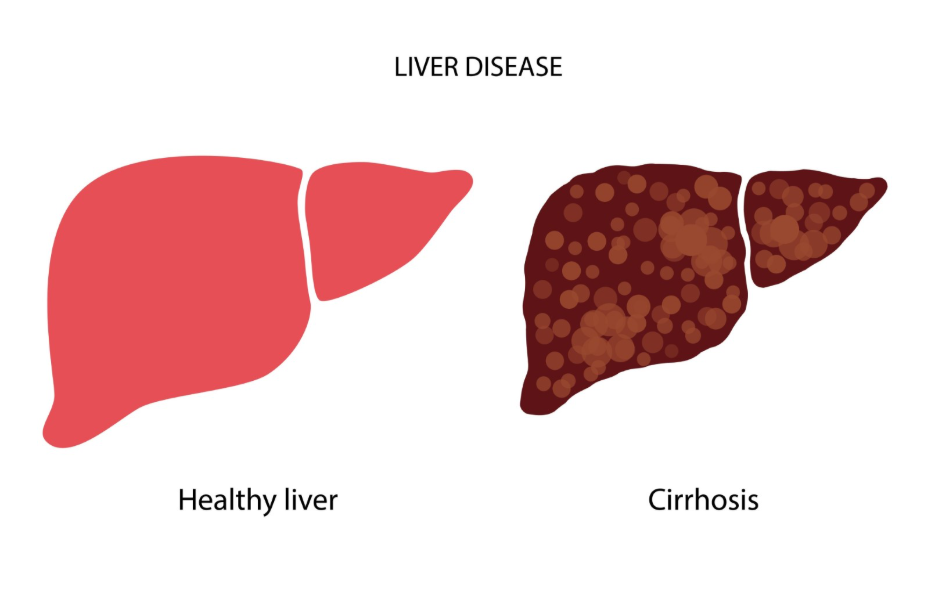
When liver cells are injured, they lose their ability to “conjugate” bilirubin, which is the process of making it water-soluble for excretion. In the case of cirrhosis, the healthy liver tissue is replaced by fibrous scars that obstruct the internal flow of bile. Because the liver is involved in so many metabolic tasks, jaundice caused by liver tissue damage is often accompanied by systemic symptoms such as extreme fatigue, loss of appetite, and a general feeling of being unwell. In the United Kingdom, blood tests are used to measure liver enzymes, which provide clues about the extent of cellular inflammation.
Biliary Obstructions and Gallstones
Biliary obstructions cause jaundice by physically blocking the tubes that carry processed bile from the liver to the intestines. This is often referred to as “obstructive” or post-hepatic jaundice because the liver has successfully processed the bilirubin, but the “plumbing” system is blocked. Gallstones are the most frequent cause of this type of obstruction, particularly when a stone migrates from the gallbladder into the common bile duct.
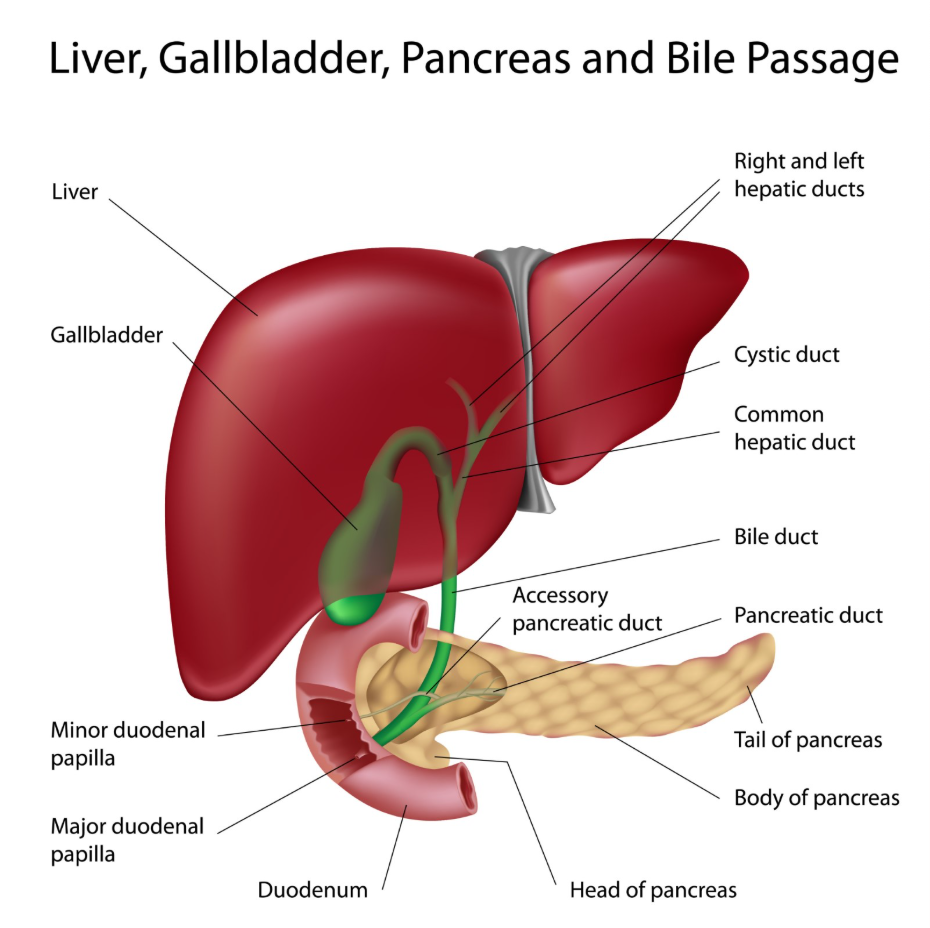
Other conditions that can lead to biliary obstruction include inflammation of the bile ducts (cholangitis) or tumours in the pancreas that press against the drainage tubes. NICE clinical guidelines for the management of gallstone disease highlight that a blockage in the bile duct can lead to a distinct combination of jaundice, dark urine, and pale stools. Because the bilirubin cannot reach the digestive tract to give stools their brown colour, it is diverted to the kidneys, which turns the urine a dark tea-like colour. Identifying an obstruction is a clinical priority in the UK to prevent infections or further liver stress.
Blood Disorders and Rapid Cell Breakdown
Blood disorders can lead to jaundice if red blood cells are destroyed faster than a healthy liver can process the resulting bilirubin. This is known as pre-hepatic jaundice because the problem exists in the circulatory system before the blood even reaches the liver. Conditions such as haemolytic anaemia, malaria, or certain autoimmune disorders cause red blood cells to rupture prematurely.
In these scenarios, the liver is often functioning perfectly but is simply overwhelmed by the volume of raw pigment it is expected to filter. Because the bilirubin has not yet been processed by the liver, it remains unconjugated and fat-soluble. This type of jaundice is often distinguished from liver-based jaundice because the patient’s urine usually remains a normal colour, as the kidneys cannot filter unconjugated bilirubin. UK haematologists work alongside liver specialists to determine if the jaundice is a sign of a primary blood condition or a secondary organ issue.
Comparison of Common Conditions Leading to Jaundice
Clinical professionals use the patient’s symptoms and waste discoloration to help differentiate between the various medical conditions that cause jaundice.
| Condition Type | Examples | Primary Mechanism | Waste Changes |
| Intra-hepatic | Hepatitis, Cirrhosis | Liver cell damage | Dark urine; normal stools |
| Post-hepatic | Gallstones, Pancreatitis | Physical blockage | Dark urine; pale/clay stools |
| Pre-hepatic | Haemolytic Anaemia | Excessive cell breakdown | Normal urine; normal stools |
This comparison demonstrates why UK clinicians ask detailed questions about the colour of a patient’s urine and stools during a physical examination. While the yellowing of the skin is the same across these conditions, the secondary signs provide vital evidence regarding which biological system is failing to move the bilirubin correctly.
Benign Genetic Conditions
Some individuals have benign genetic conditions, such as Gilbert’s syndrome, which cause mild and fluctuating jaundice without indicating serious liver disease. In Gilbert’s syndrome, the liver has a slightly reduced level of the enzyme needed to conjugate bilirubin. This often results in a mild yellowing of the eyes or skin during periods of physical stress, illness, or fasting.
NICE clinical guidelines indicate that Gilbert’s syndrome is a common and harmless condition that does not require specific treatment, though it must be distinguished from more serious causes of jaundice. For most people with this condition, bilirubin levels return to near-normal once the period of stress has passed. In the UK, a diagnosis is usually confirmed through a simple blood test that shows elevated unconjugated bilirubin while all other liver function markers remain healthy. This provides reassurance that the jaundice is not a sign of progressive organ damage.
Conclusion
Jaundice is most commonly caused by medical conditions affecting the liver tissue, such as hepatitis and cirrhosis, or by physical obstructions like gallstones. Blood disorders that cause rapid red blood cell breakdown and benign genetic factors can also lead to elevated bilirubin levels. Identifying the origin of the jaundice—whether pre-hepatic, intra-hepatic, or post-hepatic—is the primary goal of clinical investigation in the UK. Regular monitoring through blood tests and imaging allows healthcare teams to manage the underlying cause and support overall health. If you experience severe, sudden, or worsening symptoms, call 999 immediately.
Can a temporary infection cause jaundice?
Yes, some viral or bacterial infections can cause temporary liver inflammation that leads to jaundice until the infection clears.
Why do gallstones cause my skin to turn yellow?
If a gallstone blocks the bile duct, the yellow pigment processed by your liver cannot escape into your gut and instead backs up into your blood.
Does alcohol always lead to jaundice?
Not always, but long-term alcohol use can cause inflammation and scarring (cirrhosis) that eventually impairs the liver’s ability to filter bilirubin.
What is the difference between hepatitis and jaundice?
Hepatitis is a condition (liver inflammation), whereas jaundice is a symptom (yellowing) that can be caused by hepatitis or many other issues.
Can medications cause jaundice?
Yes, certain medications can cause liver stress or trigger the breakdown of red blood cells, which can lead to a rise in bilirubin.
Why are my stools pale when I have jaundice?
Pale stools happen when a blockage prevents the yellow-brown bilirubin from reaching your intestines to colour your waste.
Is jaundice in adults always an emergency?
Jaundice always requires a medical review to find the cause, but it is an emergency if accompanied by severe pain, high fever, or confusion.
Authority Snapshot (E-E-A-T)
This article provides medically factual health education regarding the conditions that cause jaundice, strictly aligned with NHS and NICE clinical guidelines. The content is developed by a professional medical writing team and reviewed by Dr. Stefan Petrov, a UK-trained physician with experience in general medicine, surgery, and emergency care. All information follows current UK public health protocols to ensure accuracy and patient safety.