




Jaundice is a visible clinical sign characterised by the yellowing of the skin and the whites of the eyes, which requires urgent medical assessment when accompanied by specific red-flag symptoms that suggest acute organ failure or systemic infection. While the yellowing itself is caused by an accumulation of bilirubin in the bloodstream, it serves as a primary indicator of an underlying disruption in the liver, gallbladder, or haematological system. In the United Kingdom, healthcare professionals categorise certain presentations of jaundice as emergencies to prevent life-threatening complications such as sepsis or encephalopathy. Because the liver performs vital roles in detoxification, waste processing, and blood clotting, any rapid decline in its function affects the entire body. Identifying when a jaundiced appearance shifts from a chronic or mild issue into an acute crisis is essential for ensuring timely hospital intervention. UK clinical standards prioritise the rapid stabilisation of patients who exhibit neurological changes, severe pain, or high fever alongside visible yellowing. Understanding these emergency markers allows the public to seek appropriate care at the most critical moments.
What We’ll Discuss in This Article
- Identifying the combination of jaundice and high fever as a sign of infection.
- Recognising neurological changes such as confusion and extreme drowsiness.
- The clinical significance of severe abdominal pain alongside yellowing.
- Understanding the risk of internal bleeding and easy bruising in liver failure.
- Signs of acute liver failure that require immediate hospital stabilisation.
- When newborn jaundice reaches a critical threshold for emergency care.
Jaundice Accompanied by High Fever and Shivering
Jaundice combined with a high temperature, shivering, and a general sense of being very unwell should be treated as a medical emergency because it often indicates an infection of the bile ducts known as ascending cholangitis. When the bile ducts are blocked, typically by a gallstone, the stagnant bile can become infected by bacteria from the intestines.
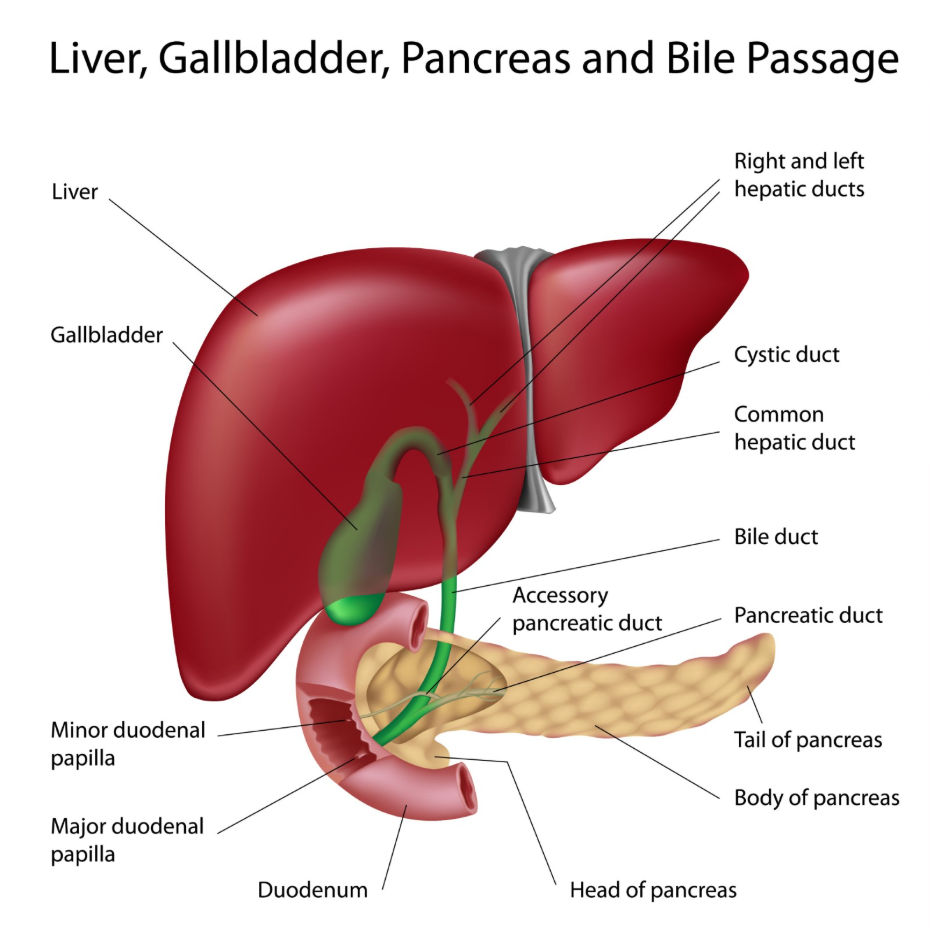
This infection can rapidly progress to sepsis, a life-threatening reaction that affects the entire body. The NHS states that you should seek urgent medical advice if you have jaundice and a high temperature or feel generally very unwell. In the United Kingdom, this presentation is often referred to as Charcot’s triad, consisting of jaundice, fever, and upper right quadrant abdominal pain. If these symptoms are present, the risk of the infection entering the bloodstream is high. Emergency hospital management involves intravenous antibiotics and urgent procedures to clear the obstruction, as delayed treatment can lead to septic shock and multi-organ failure.
Neurological Changes and Confusion
The development of confusion, personality changes, or extreme drowsiness in a person with jaundice is a sign of a medical emergency called hepatic encephalopathy. This occurs when the liver is so severely damaged or dysfunctional that it can no longer filter toxins, such as ammonia, from the blood.
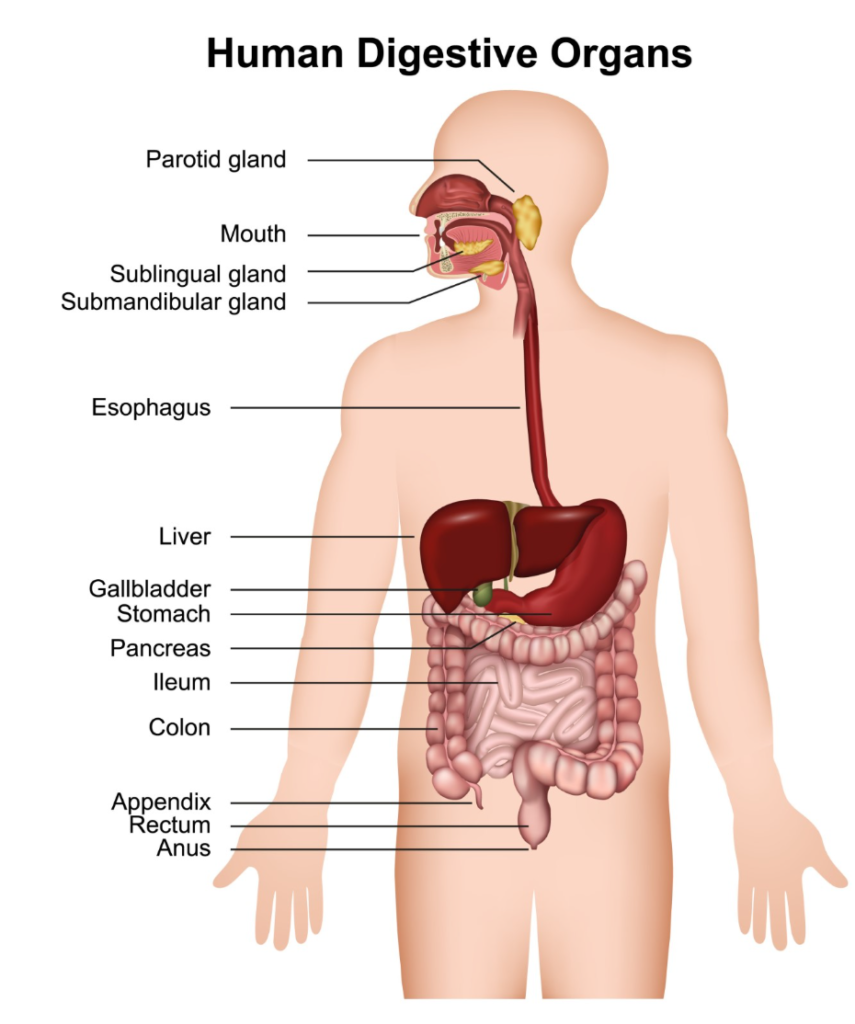
These toxins then travel to the brain, interfering with normal cognitive function. Early signs might include subtle disorientation or a reversal of sleep patterns, but as the condition progresses, the individual may become difficult to wake or exhibit a characteristic flapping tremor of the hands. NICE clinical guidelines for the management of liver disease emphasise that any jaundiced patient showing signs of altered consciousness requires immediate hospital admission for specialist monitoring. This neurological decline suggests that the liver’s functional capacity has been critically overwhelmed, making it a high-priority situation in any UK emergency department.
Severe and Persistent Abdominal Pain
Jaundice that occurs alongside sudden, severe, and persistent pain in the upper right side of the abdomen is an emergency that often signals an acute blockage or inflammation of the gallbladder or pancreas. While some liver conditions cause a dull ache, sharp and debilitating pain typically points toward a mechanical obstruction, such as a gallstone lodged in the common bile duct.
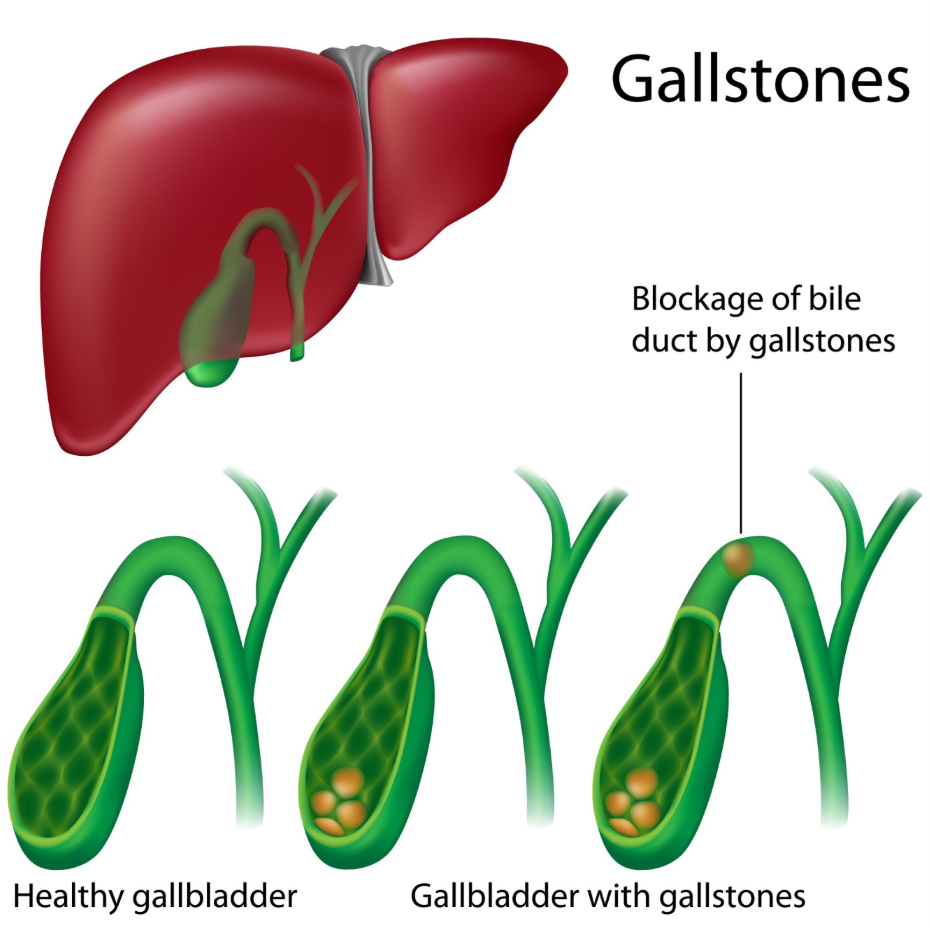
This pain, known as biliary colic, can sometimes radiate to the back or right shoulder. If the blockage also affects the pancreatic duct, it can lead to acute pancreatitis, an inflammation of the pancreas that is life-threatening if not managed in a hospital setting. In the UK, clinicians use rapid imaging, such as an ultrasound, to identify the cause of the pain. If the pain is accompanied by vomiting and a inability to keep fluids down, the risk of dehydration and systemic inflammation makes emergency stabilisation necessary.
Indicators of Liver Failure and Internal Bleeding
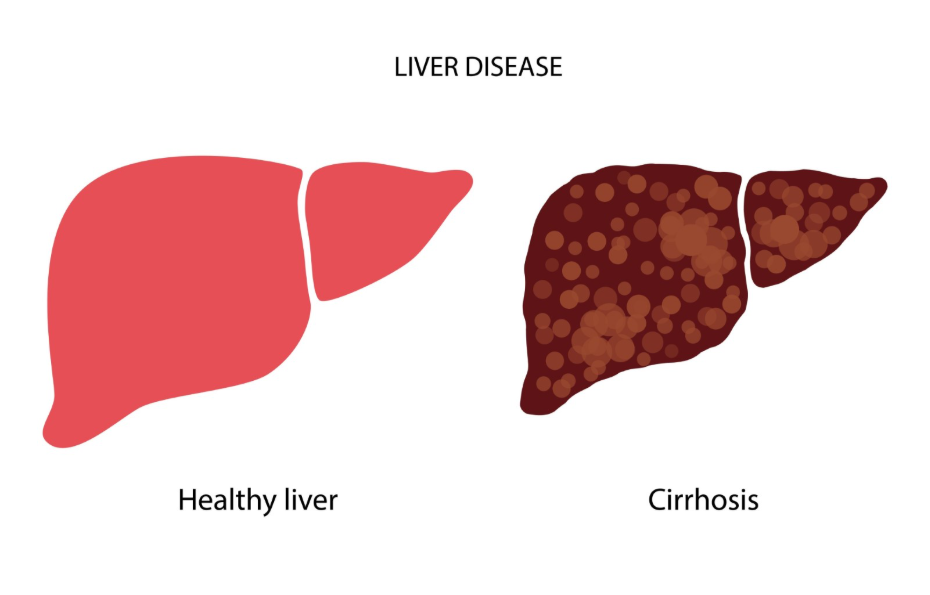
Visible jaundice combined with signs of easy bruising, bleeding from the gums, or vomiting blood is a medical emergency indicating that the liver has failed to produce the proteins necessary for blood clotting. This is a hallmark of advanced liver failure or decompensated cirrhosis.
| Symptom | Clinical Significance | Urgency Level |
| Vomiting Blood | Potential burst veins in the food pipe. | Emergency (Call 999) |
| Easy Bruising | Lack of clotting factors produced by liver. | Urgent Review |
| Swollen Abdomen | Severe fluid buildup (ascites). | Urgent Review |
| Black Stools | Sign of internal bleeding in the gut. | Emergency (Call 999) |
When the liver is severely scarred, it creates high pressure in the portal vein, which can cause veins in the oesophagus to swell and burst. This leads to massive internal bleeding, often manifested as vomiting bright red blood or passing very dark, tarry stools. According to the GOV.UK health pages, identifying these signs of portal hypertension and clotting failure is critical for the emergency management of end-stage liver disease.
Acute Liver Failure and Systemic Collapse
Acute liver failure is a rare but catastrophic emergency where a previously healthy individual develops jaundice and rapid organ dysfunction within days. This is most commonly caused by toxic injury, such as an overdose of paracetamol, or certain aggressive viral infections. In this scenario, the liver tissue dies so quickly that the body cannot compensate.
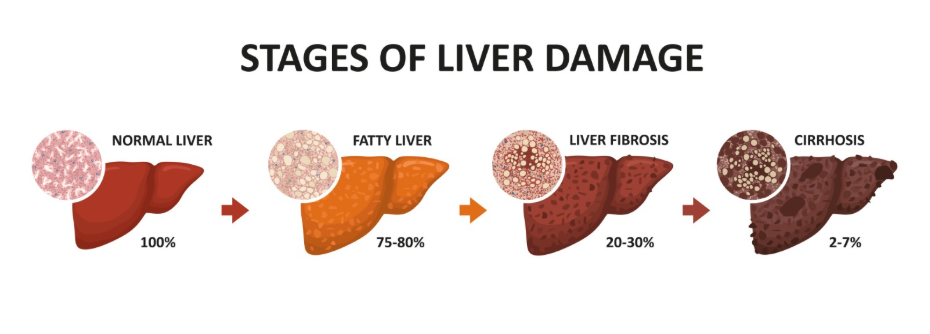
Signs of acute liver failure include a rapid deepening of the yellow colour in the eyes, significant swelling of the abdomen, and the aforementioned neurological confusion. Unlike chronic liver disease, which develops over years, acute liver failure requires intensive care support almost immediately. In the UK, these patients are often transferred to specialist liver units where they can be monitored for multi-organ failure. Early identification of this rapid decline is the only way to ensure that life-saving interventions, including potential emergency liver transplantation, remain an option.
Emergency Context in Newborn Jaundice
While most newborn jaundice is harmless, it becomes a medical emergency if the bilirubin levels rise exceptionally fast or if the baby shows signs of bilirubin affecting the brain, a condition known as kernicterus. Parents should seek emergency help if a jaundiced baby becomes very difficult to wake, has a high-pitched cry, or arches their back excessively.
In the United Kingdom, midwives and neonatal teams monitor bilirubin levels using specific charts to determine when treatment is required. If the levels exceed safety thresholds, the baby needs immediate phototherapy or, in extreme cases, an exchange transfusion to physically remove the bilirubin from the blood. These situations are rare due to effective UK screening, but the neurological risks associated with extremely high bilirubin in infants make any jaundiced baby who is too sleepy to feed a priority for clinical assessment.
Conclusion
Jaundice should be treated as a medical emergency if it is accompanied by high fever, neurological confusion, severe abdominal pain, or signs of internal bleeding. These symptoms indicate that the underlying cause has progressed to a state of systemic infection, acute liver failure, or significant biliary obstruction. In the United Kingdom, established clinical protocols ensure that these high-risk presentations are stabilised rapidly in a hospital environment. Recognising these red-flag signs early is vital for protecting organ function and preventing long-term complications. If you experience severe, sudden, or worsening symptoms, call 999 immediately.
Is it an emergency if my eyes are yellow but I feel fine?
It is not an emergency, but it is an urgent medical sign that requires you to contact your GP or 111 within 24 hours for investigation.
Why is confusion a sign of a jaundice emergency?
Confusion suggests that the liver is failing to filter toxins like ammonia, which are then affecting your brain function.
Can a high fever with jaundice mean something else?
A high fever with jaundice is almost always a sign of a serious infection in the bile ducts or liver that needs immediate antibiotics.
What should I do if I see blood in my stools and have yellow skin?
This is a medical emergency that suggests internal bleeding from liver-related issues; you should call 999 or go to A&E immediately.
Is sudden jaundice in a baby always an emergency?
If the jaundice appears within the first 24 hours of life, it is a clinical priority that needs immediate hospital assessment.
Can gallstones cause an emergency jaundice situation?
Yes, if a gallstone causes a complete blockage and the bile becomes infected, it can lead to sepsis very quickly.
What if my jaundice gets much darker over a single day?
A rapid deepening of the yellow colour suggests your bilirubin levels are rising fast, which warrants an urgent medical review to check your liver function.
Authority Snapshot (E-E-A-T)
This article provides medically factual health education regarding emergency jaundice symptoms, strictly aligned with NHS and NICE clinical guidelines. The content is developed by a professional medical writing team and reviewed by Dr. Stefan Petrov, a UK-trained physician with experience in general medicine, surgery, and emergency care. All information follows current UK public health protocols to ensure clinical accuracy and patient safety.



