




Long-term jaundice can lead to permanent organ damage because the yellowing of the skin and eyes is a clinical manifestation of a sustained metabolic or structural failure within the body. When jaundice persists, it indicates that the liver or the biliary drainage system is unable to process or excrete bilirubin, a yellow pigment created during the breakdown of red blood cells. Over time, the underlying cause of this pigment buildup, such as chronic inflammation, untreated biliary obstruction, or toxic injury, can cause irreversible changes to the architecture of the liver and potentially affect other organs like the kidneys and the brain. In the United Kingdom, healthcare professionals prioritise the investigation of persistent jaundice to prevent the transition from manageable illness to chronic organ failure. While jaundice itself is a symptom, the biological environment that allows it to persist is often one of high oxidative stress and cellular injury. Understanding the long-term implications of elevated bilirubin and its associated triggers is essential for recognising the importance of early clinical intervention and consistent monitoring of liver and biliary health.
What We’ll Discuss in This Article
- The progression of chronic liver inflammation to permanent scarring.
- How prolonged biliary obstruction causes secondary liver damage.
- The impact of long-term toxin buildup on neurological health.
- Risks to the kidneys during advanced or persistent liver dysfunction.
- The clinical significance of the transition to decompensated liver failure.
- UK healthcare protocols for preventing permanent damage from jaundice.
Progression of Chronic Inflammation to Cirrhosis
If the cause of long-term jaundice is a chronic condition affecting the liver cells, such as viral hepatitis or alcohol-related liver disease, the persistent inflammation can lead to the development of cirrhosis. Cirrhosis is the final stage of liver scarring, where healthy liver tissue is replaced by hard, fibrous tissue that cannot perform essential metabolic tasks. The NHS states that jaundice is often a sign of a liver problem that requires medical investigation to prevent permanent damage like cirrhosis or liver failure.
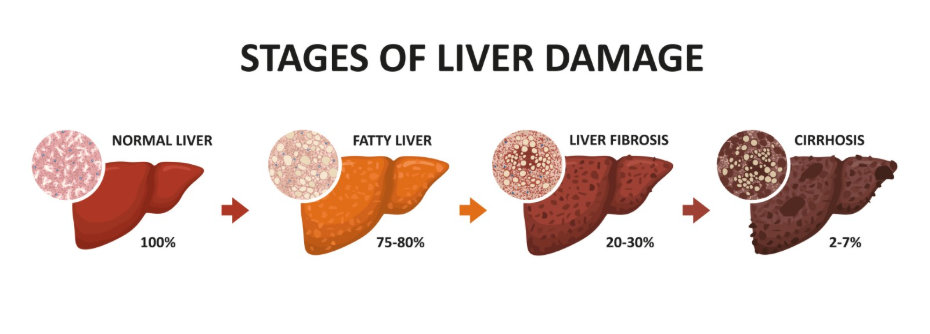
As the scarring becomes more extensive, the internal structure of the liver is distorted, which impedes the flow of blood through the organ and further hinders its ability to filter bilirubin. This creates a cycle where the liver’s declining function causes more jaundice, and the continued stress leads to more scarring. In the United Kingdom, clinical management focuses on stopping this progression by addressing the inflammatory trigger. Once cirrhosis has developed, the damage is generally irreversible, although its progression can often be slowed with appropriate medical care and lifestyle adjustments.
Impact of Prolonged Biliary Obstruction
Long-term jaundice caused by a physical blockage in the bile ducts can lead to secondary biliary cirrhosis and chronic infections if the obstruction is not cleared. When bile is unable to flow into the intestines, it backs up into the liver, causing pressure and chemical irritation to the delicate bile ducts and surrounding hepatocytes.
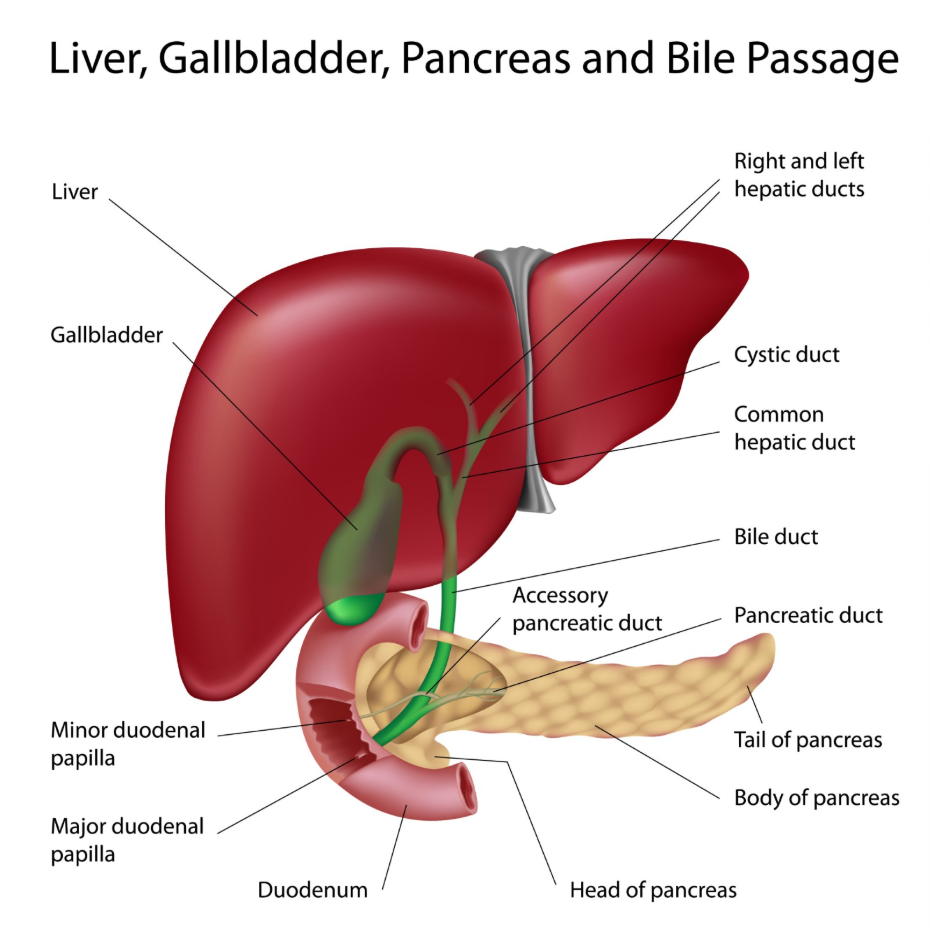
Over months or years, this stagnant bile leads to inflammation and scarring within the liver’s drainage system. This can eventually cause the liver to become firm and lose its functional capacity. Furthermore, a persistent blockage increases the risk of recurrent ascending cholangitis, a serious infection of the bile ducts. NICE clinical guidelines for gallstone disease management highlight that identifying and clearing biliary obstructions is critical for preventing the long-term complications of liver damage and systemic infection. In UK practice, imaging is used to ensure that even “painless” obstructions are identified before they cause permanent structural changes to the biliary tree.
Neurological Risks of Sustained Toxin Buildup
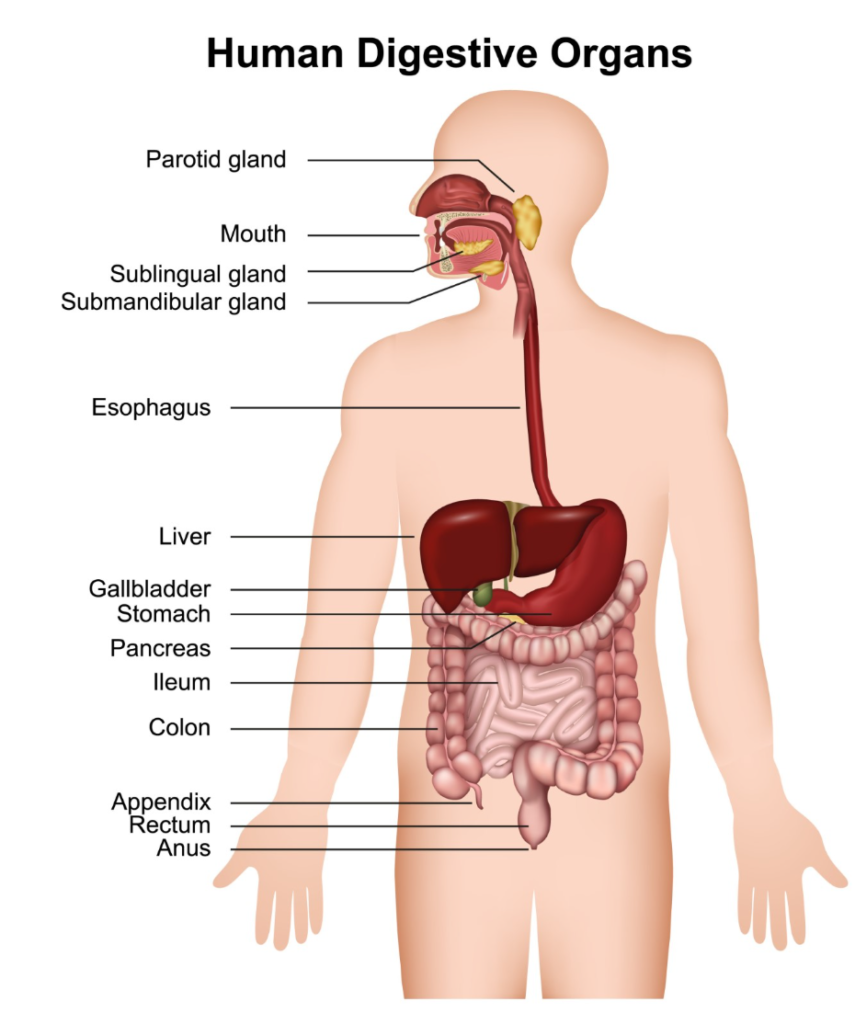
Persistent jaundice resulting from advanced liver dysfunction can lead to the accumulation of metabolic toxins that cross the blood-brain barrier, causing a spectrum of neurological issues known as hepatic encephalopathy. The liver is responsible for converting neurotoxic substances like ammonia into urea for safe excretion. When the liver is chronically impaired, these toxins circulate in the blood and affect brain function.
In the early stages, this might manifest as subtle changes in mood or sleep patterns. If the condition remains untreated over a long period, it can lead to significant cognitive decline, tremors, and disorientation. While early encephalopathy is often reversible if the liver function improves, chronic or severe episodes can have a lasting impact on a person’s quality of life. The presence of long-term jaundice in an adult is a key clinical marker that the body’s detoxification system is failing, making neurological monitoring an essential part of the UK’s approach to chronic liver care.
Comparison of Compensation versus Decompensation
The body’s ability to manage long-term jaundice depends on whether the liver remains in a compensated or decompensated state. This distinction is vital for understanding the risk of permanent organ damage.
| Feature | Compensated Liver Disease | Decompensated Liver Disease |
| Visibility of Jaundice | May be absent or very mild. | Often prominent and persistent. |
| Internal Damage | Scarring is present but liver functions. | Scarring has led to organ failure. |
| Risk of Damage | High risk of progression if untreated. | Damage is likely permanent/advanced. |
| Clinical Outlook | Goal is to prevent further scarring. | Goal is to manage life-threatening risks. |
In the compensated stage, the liver can still perform its vital roles despite the presence of scar tissue. Once the liver enters a decompensated state, symptoms like persistent jaundice, fluid buildup in the abdomen, and internal bleeding become prominent. This transition signifies that the organ’s functional reserve is exhausted, and the risk of permanent multi-organ failure increases significantly.
Secondary Risks to Kidney Function
Long-term jaundice and advanced liver disease can eventually affect the kidneys, leading to a serious condition called hepatorenal syndrome. This occurs because the failing liver causes significant changes in the body’s blood pressure and circulation, which reduces the blood flow to the kidneys.
As the kidneys receive less blood, they lose their ability to filter waste, complicating the existing metabolic issues. This dual-organ stress is a sign of very advanced liver dysfunction. According to the GOV.UK health profiles, monitoring renal function in patients with chronic liver disease is a vital part of the UK’s integrated approach to managing high-risk patients. Identifying and treating the cause of jaundice early is the most effective way to prevent this progression to kidney failure, as the kidneys are often structurally healthy but are failing because of the liver’s collapse.
UK Clinical Protocols for Preventing Organ Damage
The UK healthcare system uses a structured pathway involving regular blood tests, imaging, and specialist referrals to prevent long-term jaundice from causing permanent organ damage. Liver Function Tests are the primary tool for monitoring bilirubin levels and liver enzymes over time. If the results suggest that the liver is not recovering or that scarring is progressing, more advanced tests like a FibroScan may be used to measure the stiffness of the liver.
This proactive monitoring allows the multidisciplinary team to intervene with medications, procedures to clear bile ducts, or lifestyle support before the damage becomes irreversible. Patients with chronic jaundice are often managed in specialist clinics where they can receive targeted care for their specific condition. By tracking the biochemical and physical state of the liver, clinicians can identify the point at which more intensive interventions, such as a liver transplant, might need to be considered to preserve life and organ function.
Conclusion
Long-term jaundice can cause permanent organ damage if the underlying cause leads to advanced liver scarring, chronic biliary inflammation, or systemic toxin accumulation. While the yellowing of the skin is a symptom, it serves as a critical indicator of sustained internal stress that requires professional clinical investigation. In the UK, standardised monitoring protocols are used to identify the risks of progression to cirrhosis or multi-organ failure. Addressing the source of the bilirubin buildup early is the only way to protect the liver’s long-term functional capacity. If you experience severe, sudden, or worsening symptoms, call 999 immediately.
Does jaundice always mean my liver is permanently damaged?
No, jaundice can be caused by temporary issues that leave no lasting damage if treated promptly, but long-term yellowing increases the risk of scarring.
Can a scarred liver ever heal?
The liver is highly regenerative, but once it reaches the stage of advanced cirrhosis, the scarring is generally permanent and requires long-term management.
Why does jaundice affect my kidneys?
In advanced liver disease, changes in blood circulation can reduce blood flow to the kidneys, potentially causing them to fail even if they are not diseased.
Can I have permanent damage without feeling very ill?
Yes, the liver can compensate for damage for a long time, so you might have significant scarring even if your only symptom is mild jaundice.
Will clearing a gallstone fix liver damage?
If the gallstone is removed early, the liver usually recovers fully; however, if it was blocked for a very long time, some secondary scarring may remain.
What is the most common cause of permanent liver damage in the UK?
Alcohol-related liver disease, chronic viral hepatitis, and non-alcohol related fatty liver disease are the most common causes of long-term damage.
How do doctors check for permanent scarring?
Doctors use blood tests, ultrasound scans, and sometimes a FibroScan or a biopsy to assess the level of fibrosis or scarring in the liver.
Authority Snapshot (E-E-A-T)
This article provides medically factual health education regarding the risks of permanent organ damage from long-term jaundice, strictly aligned with NHS and NICE clinical guidelines. The content is developed by a professional medical writing team and reviewed by Dr. Stefan Petrov, a UK-trained physician with experience in general medicine, surgery, and emergency care. All information follows current UK public health protocols to ensure clinical accuracy and patient safety.



