




Reducing the risk of developing jaundice involves adopting a combination of healthy lifestyle choices, adhering to vaccination programmes, and managing underlying health conditions that affect the liver and biliary system. Jaundice is a visible medical sign characterised by the yellowing of the skin and the whites of the eyes, occurring when bilirubin levels in the blood rise because the body cannot process or excrete this pigment effectively. While jaundice itself is a symptom rather than a standalone disease, it often indicates an underlying issue with the liver, gallbladder, or the breakdown of red blood cells. In the United Kingdom, healthcare professionals emphasise preventative measures such as maintaining a healthy weight, practicing safe alcohol consumption, and following hygiene protocols to avoid viral infections. By supporting the liver’s natural filtration capacity and ensuring the clear passage of bile through the drainage ducts, individuals can significantly lower the likelihood of experiencing this metabolic disruption. Understanding the relationship between daily habits and organ health is essential for long-term wellbeing and the prevention of biliary and hepatic complications.
What We’ll Discuss in This Article
- The importance of alcohol moderation in preserving liver tissue.
- Nutritional choices that support a healthy weight and prevent fatty liver disease.
- Hygiene practices and vaccinations to protect against viral hepatitis.
- Managing risk factors for gallstones and biliary obstructions.
- The role of safe medication use in avoiding drug-induced liver injury.
- The impact of regular physical activity on systemic metabolic health.
Preserving Liver Health Through Alcohol Moderation
Moderating or eliminating alcohol consumption is one of the most effective ways to reduce the risk of developing jaundice, as ethanol is a direct toxin that causes inflammation and scarring of the liver cells. The liver is responsible for metabolising alcohol, and excessive intake leads to the production of harmful byproducts that damage hepatocytes and interfere with the conjugation of bilirubin. The NHS states that jaundice is often a sign of a liver problem and that cutting down on alcohol is a key step in preventing liver damage.
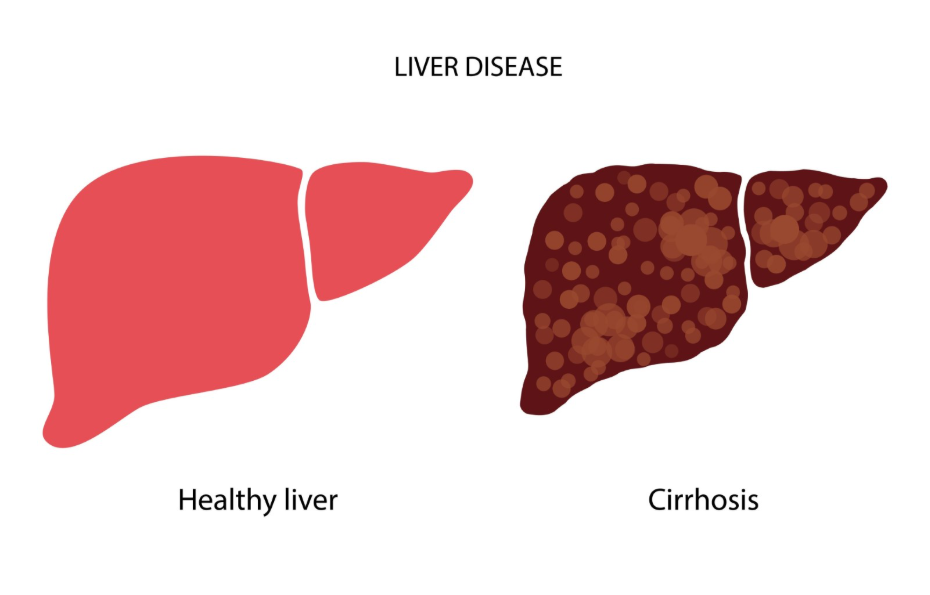
Long-term heavy drinking can lead to various stages of alcohol-related liver disease, ranging from fatty liver to alcoholic hepatitis and eventually cirrhosis. When the liver becomes severely scarred or inflamed, it loses its ability to filter waste, resulting in visible jaundice. In the United Kingdom, adherence to the recommended weekly alcohol limits is advised to allow the liver to regenerate and maintain its functional capacity. Avoiding binge drinking is particularly important, as sudden surges in blood alcohol levels can cause acute liver stress that manifests as sudden yellowing of the eyes and skin.
Nutrition and Weight Management to Prevent Fatty Liver
Maintaining a healthy weight and consuming a balanced diet are essential for preventing non-alcohol related fatty liver disease, a condition that can progress to inflammation and jaundice. When a person carries excess weight, particularly around the abdomen, fat can accumulate within the liver cells, a process known as steatosis. Over time, this fat can trigger an inflammatory response that damages the liver’s internal architecture.
To reduce this risk, UK health guidelines recommend a diet high in fibre, vegetables, and whole grains while being low in saturated fats and refined sugars. Reducing the intake of processed foods helps to lower the metabolic burden on the liver. NICE clinical guidelines for managing non-alcohol related fatty liver disease highlight that gradual weight loss through dietary changes and regular exercise is the most effective way to reduce liver fat and maintain organ health. By preventing the buildup of fat in the liver, individuals ensure that the organ remains efficient at processing bilirubin and producing the proteins necessary for overall metabolic balance.
Protecting Against Viral Hepatitis Infections
Practicing good hygiene and adhering to recommended vaccination schedules significantly reduces the risk of jaundice caused by viral hepatitis A, B, and C. These viruses cause acute and sometimes chronic inflammation of the liver, leading to a breakdown in the organ’s ability to excrete bilirubin. Hepatitis A and E are often transmitted through contaminated food and water, making hand hygiene and careful food preparation essential, particularly when travelling to regions with lower sanitation standards.
Hepatitis B and C are blood-borne viruses that can cause long-term liver damage if left untreated. In the United Kingdom, vaccination against Hepatitis B is part of the routine childhood immunisation programme and is also recommended for individuals in high-risk groups. Practicing safe behaviours, such as avoiding the sharing of personal items like razors or toothbrushes and ensuring that any tattoos or piercings are performed in regulated studios with sterile equipment, further lowers the risk of transmission. Early detection through screening is also vital, as modern treatments can often clear these viruses before they cause the extensive liver damage that results in jaundice.
Reducing the Risk of Gallstones and Biliary Obstruction
Adopting lifestyle habits that prevent the formation of gallstones is a primary strategy for avoiding obstructive or post-hepatic jaundice. Gallstones are hardened deposits of digestive fluid that can block the common bile duct, preventing the liver from excreting bilirubin into the intestines. Rapid weight loss or “crash dieting” is a known risk factor for gallstones, as it causes the liver to secrete extra cholesterol into the bile.
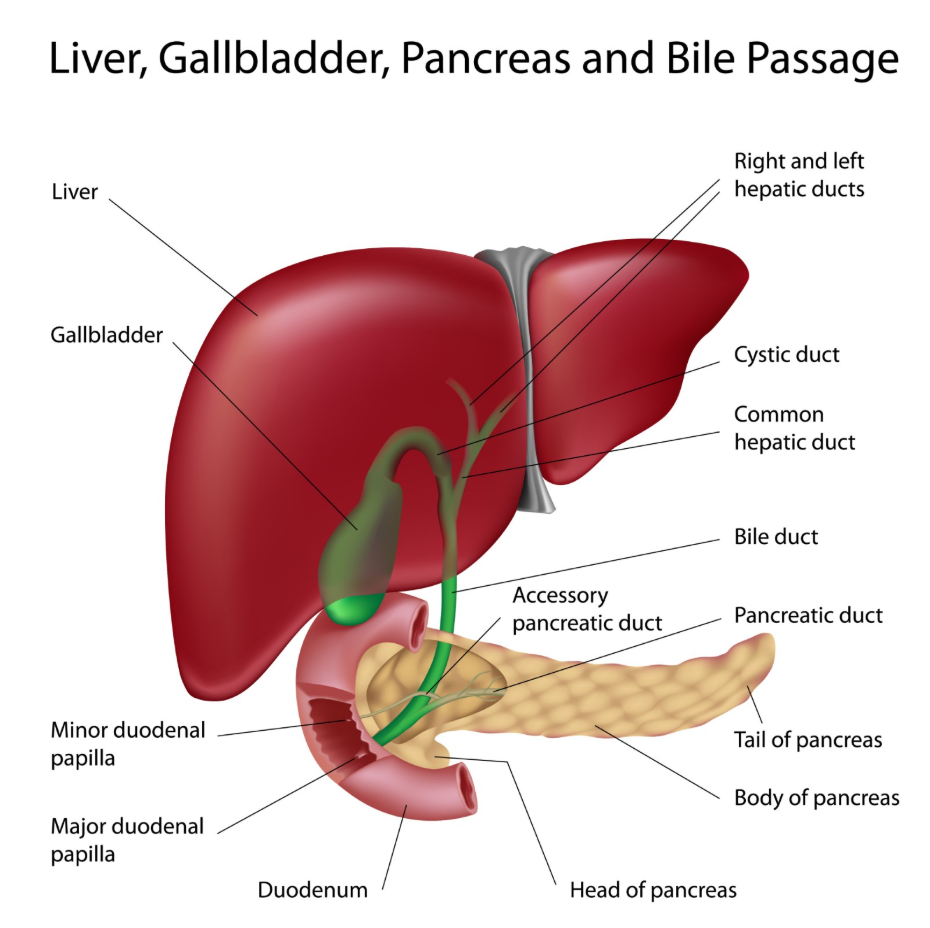
To manage this risk, a gradual approach to weight loss and a diet low in cholesterol and high in fibre are recommended. Consuming regular, balanced meals helps the gallbladder to empty frequently, reducing the chance of bile becoming stagnant and forming stones. Staying well-hydrated also supports the fluidity of bile. For individuals with a family history of gallstones, these preventative measures are particularly important, as they help maintain the mechanical integrity of the biliary drainage system and prevent the physical blockages that lead to the sudden onset of yellow skin and dark urine.
Comparison of Preventative Strategies for Different Types of Jaundice
The strategies for reducing the risk of jaundice vary depending on whether the primary threat is related to blood cell breakdown, liver damage, or a physical blockage. A comprehensive approach addresses all three categories.
| Focus Area | Risk Reduction Strategy | Jaundice Type Prevented |
| Alcohol Intake | Abiding by weekly units and avoiding bingeing. | Intra-hepatic (Liver damage) |
| Dietary Habits | High fibre, low saturated fat and sugar. | Intra-hepatic (Fatty liver) |
| Biliary Health | Gradual weight loss and regular meals. | Post-hepatic (Obstruction) |
| Infection Control | Vaccination and hand hygiene. | Intra-hepatic (Viral hepatitis) |
| Medication Safety | Following prescribed doses; avoiding toxins. | Intra-hepatic (Toxic injury) |
This table illustrates that maintaining liver health requires a multi-faceted approach. While some factors like genetics cannot be changed, the majority of common causes for jaundice in the UK are influenced by modifiable behaviours. By addressing these areas simultaneously, individuals can create a robust defence against metabolic and biliary dysfunction.
Safe Use of Medications and Herbal Supplements
Exercising caution with medications and avoiding unregulated herbal supplements reduces the risk of drug-induced liver injury, which is an increasingly common cause of sudden jaundice in adults. Many substances, including high doses of common painkillers like paracetamol, are processed by the liver. Taking more than the recommended dose, or combining medications with alcohol, can lead to the production of toxic metabolites that cause acute cellular death in the liver.
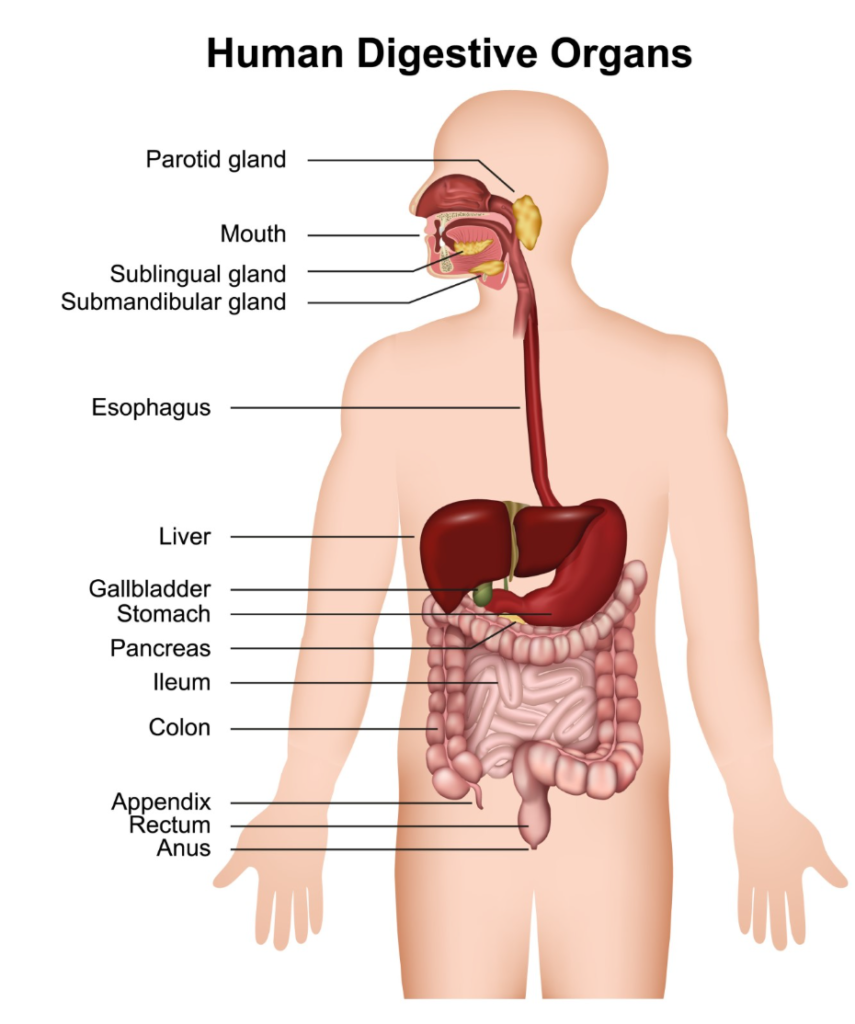
The GOV.UK health pages indicate that monitoring the safety of medications and being aware of potential hepatotoxicity is a critical part of maintaining public health and reducing the burden of liver disease. Furthermore, some herbal remedies and “detox” supplements have been linked to liver inflammation because they are not subject to the same rigorous safety testing as pharmaceutical drugs. Always reading the labels of over-the-counter products and consulting a pharmacist or doctor before starting new supplements ensures that the liver’s detoxification pathways are not overwhelmed, thereby preventing the buildup of bilirubin.
Conclusion
Reducing the risk of jaundice is achieved through a combination of alcohol moderation, weight management, viral protection, and the safe use of medications. By supporting the liver’s ability to filter waste and preventing physical obstructions in the bile ducts, individuals can maintain a healthy metabolic balance. In the UK, preventative healthcare focuses on these modifiable lifestyle factors to protect long-term organ function. Adopting these habits early is the most effective way to ensure that the body’s filtration and drainage systems remain clear and functional. If you experience severe, sudden, or worsening symptoms, call 999 immediately.
Can drinking more water prevent jaundice?
Hydration supports general health and kidney function, but it cannot directly prevent jaundice if there is a primary liver disease or a blocked bile duct.
Are there specific foods that “cleanse” the liver?
The liver “cleanses” itself; the best way to support it is by eating a balanced diet that is low in processed fats and sugars rather than following a specific detox.
Is it safe to take paracetamol if I want to avoid liver stress?
Paracetamol is safe when taken at the recommended dose, but exceeding the maximum daily limit can cause serious liver damage and jaundice.
Does exercise help prevent gallstones?
Regular physical activity helps with weight management and metabolic health, both of which are key factors in reducing the risk of gallstone formation.
Do I need a hepatitis vaccine if I don’t travel abroad?
The Hepatitis B vaccine is now part of the routine UK childhood schedule, but adults in certain high-risk jobs or with specific health conditions may also need it.
Can a high-protein diet cause jaundice?
A very high-protein diet is usually fine for a healthy liver, but it can be stressful for someone who already has an underlying liver condition.
Is jaundice always preventable?
Most common causes like fatty liver and alcohol damage are preventable, but some causes like genetic conditions or certain cancers cannot be prevented through lifestyle alone.
Authority Snapshot (E-E-A-T)
This article provides medically factual health education regarding the prevention of jaundice, strictly aligned with NHS and NICE clinical guidelines. The content is developed by a professional medical writing team and reviewed by Dr. Rebecca Fernandez, a UK-trained physician with extensive experience in internal medicine, emergency care, and general surgery. All information follows current UK public health protocols to ensure clinical accuracy and patient safety.



