




A healthy diet can help prevent jaundice by supporting the liver’s ability to filter waste and reducing the risk of conditions like gallstones and fatty liver disease. Jaundice is a medical sign characterised by the yellowing of the skin and the whites of the eyes, occurring when an excess of bilirubin accumulates in the bloodstream. Bilirubin is a yellow pigment produced during the natural breakdown of red blood cells, which a healthy liver normally processes and excretes as bile. While a diet itself cannot cure an underlying infection or a genetic condition, it plays a vital role in maintaining the structural integrity and metabolic efficiency of the liver and biliary system. In the United Kingdom, healthcare professionals emphasise the importance of nutritional choices to prevent the buildup of fat in liver cells and the formation of stones in the gallbladder, both of which are common triggers for yellowing. By adhering to a balanced intake of nutrients and managing body weight, individuals can support their body’s waste management pathways and reduce the likelihood of experiencing this visible sign of metabolic stress.
What We’ll Discuss in This Article
- The role of the liver in processing bilirubin and the impact of nutrition.
- Preventing non-alcohol related fatty liver disease through dietary choices.
- Reducing the risk of gallstone formation with balanced fat and fibre intake.
- The importance of hydration for supporting the liver and kidneys.
- Avoiding hepatotoxic substances and maintaining metabolic stability.
- UK clinical guidance on nutrition for long-term liver and biliary health.
The Liver’s Role in Waste Processing and Nutrition
The liver serves as the primary metabolic factory of the body, and its ability to process bilirubin is directly influenced by the nutrients and toxins it must filter from the bloodstream. When we consume food, the liver processes the nutrients and simultaneously filters out waste products and old red blood cells. The NHS states that jaundice is caused by the build-up of bilirubin in the blood, which can happen if the liver is damaged or there is a problem with the bile ducts.
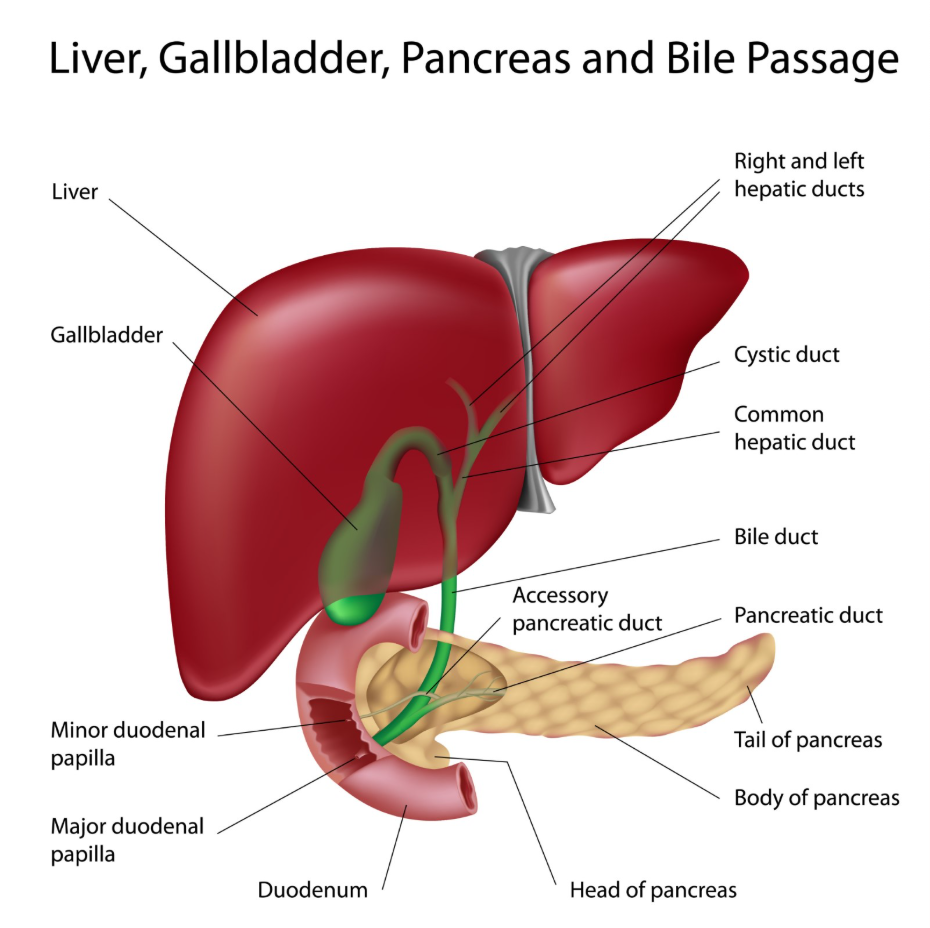
A diet high in highly processed foods, refined sugars, and excessive fats can put unnecessary strain on the hepatocytes, which are the functional cells of the liver. If the liver is overworked by managing a poor diet, its efficiency in conjugating bilirubin may be compromised. Maintaining a diet that provides essential vitamins and minerals allows the liver to produce the enzymes required for detoxification. By supporting these internal chemical processes, a healthy diet ensures that bilirubin is converted into a water-soluble form and excreted safely into the digestive tract, preventing the pigment from backing up into the tissues.
Preventing Non-Alcohol Related Fatty Liver Disease
A healthy diet is the cornerstone of preventing non-alcohol related fatty liver disease, a condition where excess fat accumulates in liver cells and can lead to inflammation and jaundice. In the United Kingdom, this condition is increasingly common and is often linked to metabolic syndrome and a high Body Mass Index. When the liver becomes “fatty,” the resulting inflammation can block the microscopic bile ducts within the organ, leading to a rise in bilirubin levels.
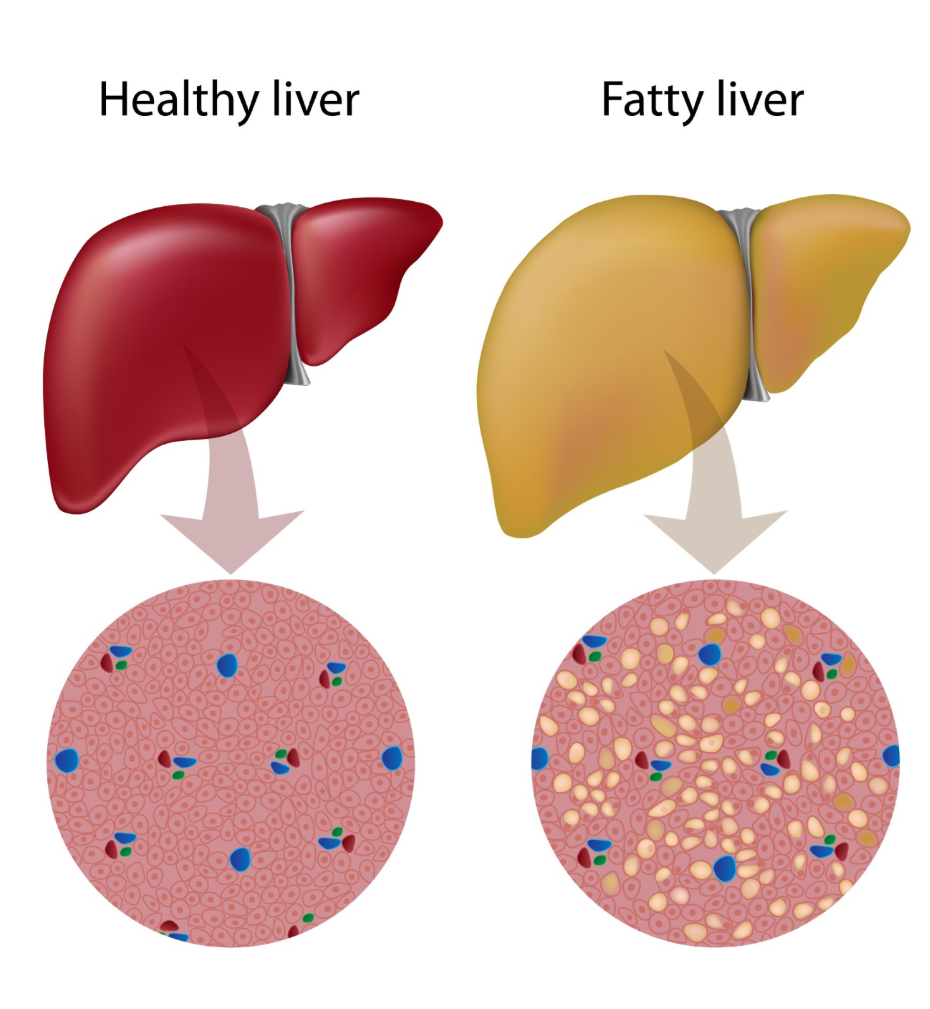
NICE clinical guidelines for the management of non-alcohol related fatty liver disease emphasise that weight loss through a balanced diet and regular exercise is the most effective way to reduce liver fat. A diet that focuses on complex carbohydrates, such as oats and brown rice, and lean proteins helps to stabilise blood sugar levels and reduce the amount of fat the liver must store. By avoiding a high-calorie intake that exceeds the body’s energy needs, individuals can prevent the cellular stress that leads to liver swelling and the eventual onset of yellowing skin.
Reducing the Risk of Gallstones Through Dietary Fibre
Consuming an adequate amount of dietary fibre and managing fat intake can help prevent the formation of gallstones, which are a leading cause of obstructive jaundice in adults. Gallstones are hardened deposits of bile that can become lodged in the common bile duct, physically blocking the excretion of bilirubin. A diet low in fibre and high in cholesterol increases the likelihood of bile becoming supersaturated, which triggers the formation of these stones.
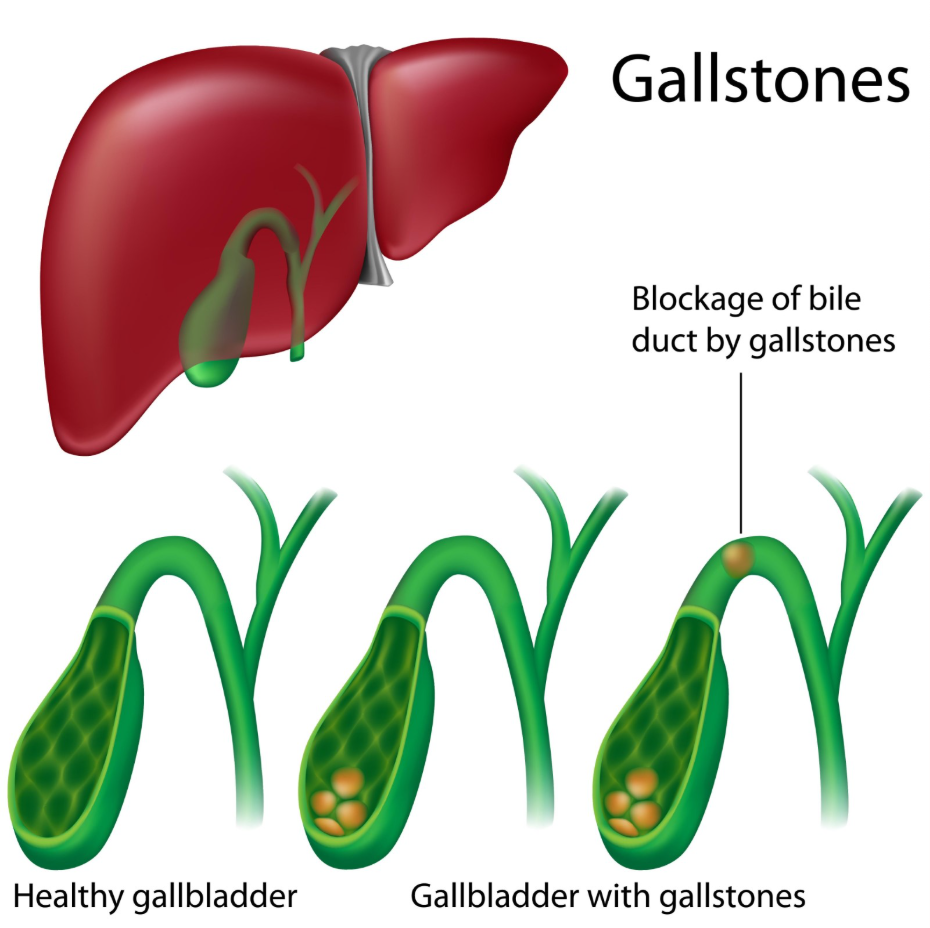
UK health guidelines recommend eating at least five portions of fruit and vegetables a day to ensure a high fibre intake, which helps the digestive system clear waste and maintain healthy bile chemistry. The NHS indicates that a high-fibre diet and maintaining a healthy weight can reduce the risk of developing gallstones. It is also important to lose weight gradually if necessary, as rapid “crash” dieting can actually increase the risk of gallstones by causing the liver to secrete extra cholesterol into the bile. A steady, balanced approach to nutrition keeps the gallbladder functioning regularly and prevents the physical blockages that lead to sudden jaundice.
Hydration and Systemic Filtration
Maintaining optimal hydration is a supportive dietary habit that assists both the liver and the kidneys in filtering waste products, including bilirubin, from the circulatory system. Water is essential for the production of bile; without sufficient fluids, bile can become thick and sluggish, making it more difficult for the liver to export processed bilirubin to the intestines.
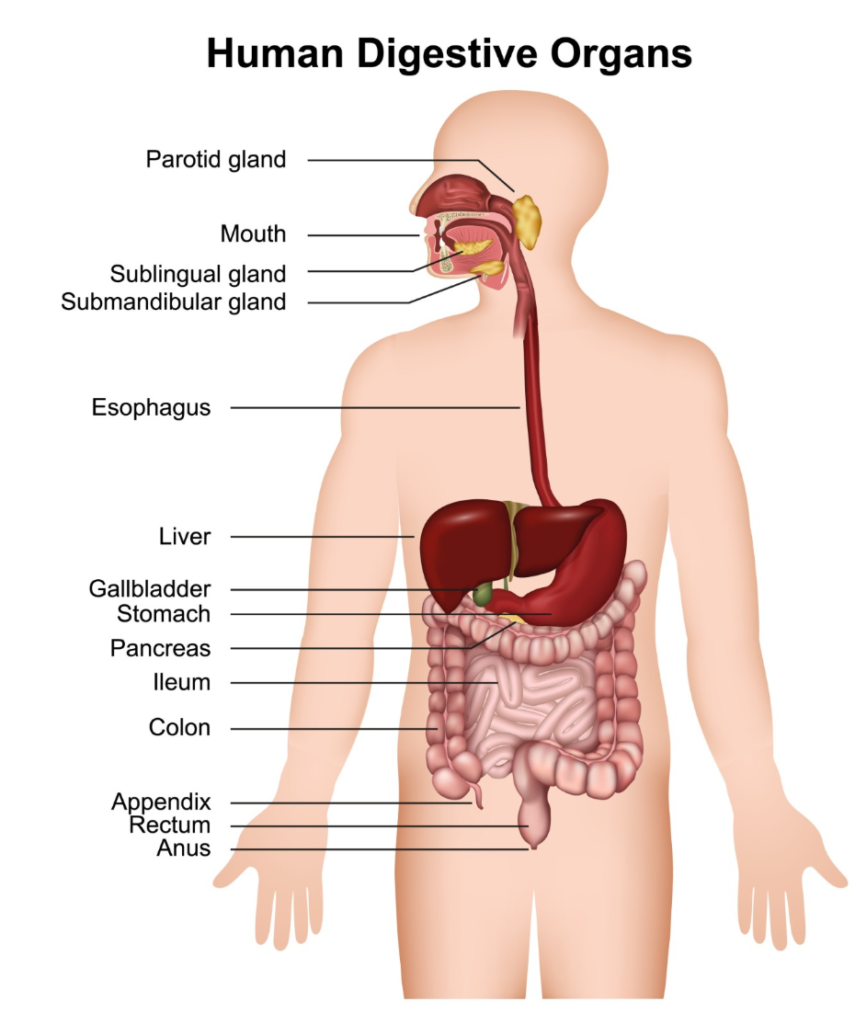
Furthermore, the kidneys play a secondary role in excreting water-soluble bilirubin when levels are elevated. Staying well-hydrated ensures that the kidneys have sufficient blood flow to perform this filtration effectively. In the United Kingdom, adults are generally advised to drink six to eight glasses of fluid a day. While hydration cannot prevent jaundice caused by a virus or a structural defect, it supports the overall efficiency of the body’s drainage systems, helping to maintain the clear appearance of the skin and eyes.
Comparison of Dietary Factors in Liver Health
Different components of a diet impact the risk of jaundice in various ways, targeting either the liver’s internal health or the mechanical clearance of the biliary ducts. Understanding these roles helps in creating a comprehensive preventative strategy.
| Dietary Factor | Impact on Liver and Biliary System | Risk Reduction |
| High Fibre | Promotes regular gallbladder emptying and digestion. | Reduces gallstone risk (Post-hepatic). |
| Low Refined Sugar | Prevents insulin spikes and fat storage in the liver. | Reduces fatty liver risk (Intra-hepatic). |
| Healthy Fats | Supports bile production without overloading the liver. | Prevents bile supersaturation. |
| Antioxidants | Protects hepatocytes from oxidative stress and injury. | Supports liver cell longevity. |
This table illustrates that no single food group is responsible for liver health; rather, it is the balance of these factors that supports the organ’s ability to manage bilirubin. By prioritising whole foods and reducing the intake of additives and preservatives, individuals can provide the liver with a stable environment to perform its filtration duties.
Avoiding Hepatotoxic Substances and Toxins
A healthy diet also involves the exclusion of hepatotoxic substances, such as excessive alcohol and unregulated herbal supplements, which can cause direct injury to the liver and lead to sudden jaundice. Alcohol is a primary toxin that causes inflammation and scarring (cirrhosis), significantly impairing the liver’s ability to conjugate bilirubin. Avoiding binge drinking and adhering to UK government guidelines for low-risk drinking are essential preventative steps.
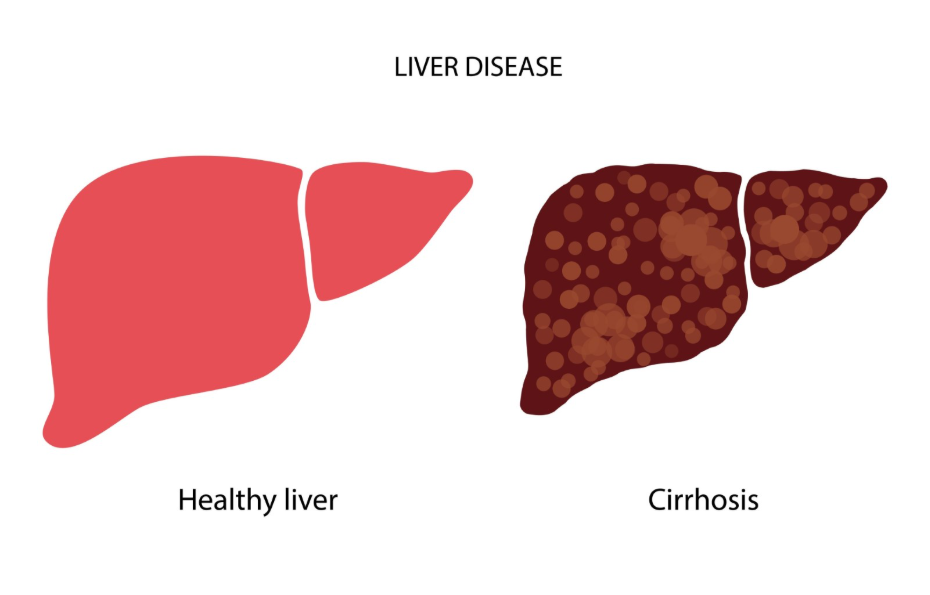
Additionally, some herbal “detox” products and certain supplements can be harmful to the liver because they are not subject to the same rigorous safety testing as pharmaceutical medications. The GOV.UK health pages indicate that drug-induced liver injury is a significant concern and that public awareness of the risks of certain supplements is vital for liver health. Protecting the liver from chemical stress is just as important as providing it with good nutrition. By ensuring that everything ingested is either nutrient-dense or medically safe, individuals can prevent the acute cellular damage that results in the yellowing of the skin and eyes.
Conclusion
A healthy diet plays a significant role in preventing jaundice by supporting liver function and reducing the risk of fatty liver disease and gallstones. By prioritising fibre, managing weight, and avoiding toxins like excessive alcohol, individuals can maintain the efficiency of their body’s filtration and drainage systems. While diet cannot prevent all causes of jaundice, it provides the liver with the resilience needed to manage metabolic waste products like bilirubin. In the UK, these nutritional habits are considered a cornerstone of long-term organ health. If you experience severe, sudden, or worsening symptoms, call 999 immediately.
Can a specific food cure jaundice?
No food can cure jaundice, as the underlying cause must be treated, but a healthy diet can support the liver during its recovery.
Is a low-fat diet necessary to prevent jaundice?
A moderate-fat diet focusing on healthy unsaturated fats is better than a completely fat-free diet, as some fat is needed to trigger the gallbladder to empty.
Does sugar affect my risk of getting yellow eyes?
High intake of refined sugar is a major risk factor for fatty liver disease, which can lead to inflammation and jaundice.
How much water should I drink to help my liver?
The standard UK guidance is to aim for about 1.2 to 2 litres of fluid daily to ensure your body can process waste products effectively.
Are herbal teas good for preventing liver issues?
Some herbal teas are safe, but you should be cautious with concentrated herbal supplements, as some have been linked to liver injury.
Can coffee help protect the liver?
Some research suggests that moderate coffee consumption may be linked to a lower risk of liver disease, though it is not a primary preventative tool.
Does eating beetroot or turmeric clear jaundice?
While these foods have antioxidant properties, there is no clinical evidence that they can clear bilirubin or prevent jaundice on their own.
Authority Snapshot (E-E-A-T)
This article provides medically factual health education regarding the role of diet in preventing jaundice, strictly aligned with NHS and NICE clinical guidelines. The content is developed by a professional medical writing team and reviewed by Dr. Rebecca Fernandez, a UK-trained physician with extensive experience in general surgery, internal medicine, and emergency care. All information follows current UK public health protocols to ensure clinical accuracy and patient safety.



