Jaundice is a clinical sign characterised by the yellowing of the skin and the whites of the eyes, resulting from the accumulation of a substance called bilirubin in the body’s tissues. Bilirubin is a yellow pigment formed during the normal breakdown of red blood cells, which the liver is responsible for filtering and excreting into the digestive system. In a healthy individual, the liver processes this pigment efficiently, but when the liver is affected by fat accumulation, extensive scarring, or malignant growth, its ability to manage bilirubin is compromised. This failure leads to a buildup in the bloodstream, eventually causing the visible yellowing associated with various stages of liver dysfunction. In the United Kingdom, the appearance of jaundice is regarded as a significant indicator that the liver is struggling to perform its basic filtration duties. Understanding the specific mechanisms by which different liver conditions disrupt this process is essential for appreciating the clinical progression of liver disease.
What We’ll Discuss in This Article
- The biological role of bilirubin and how the liver normally processes it.
- The impact of inflammation and fat on bilirubin filtration in fatty liver disease.
- How extensive scar tissue in cirrhosis obstructs the flow of bile.
- The physical obstruction of bile ducts caused by liver cancer tumours.
- Symptoms associated with jaundice, such as dark urine and pale stools.
- How the NHS monitors bilirubin levels as an indicator of liver health.
The Normal Processing of Bilirubin
Jaundice occurs when the liver can no longer effectively remove bilirubin from the blood or transport it into the bile ducts for excretion. Under normal circumstances, the liver captures bilirubin from the blood, makes it water soluble, and sends it into the gallbladder and intestines as part of bile. The NHS explains that jaundice is caused by the buildup of bilirubin in the blood, which often indicates an underlying problem with the liver or bile ducts.
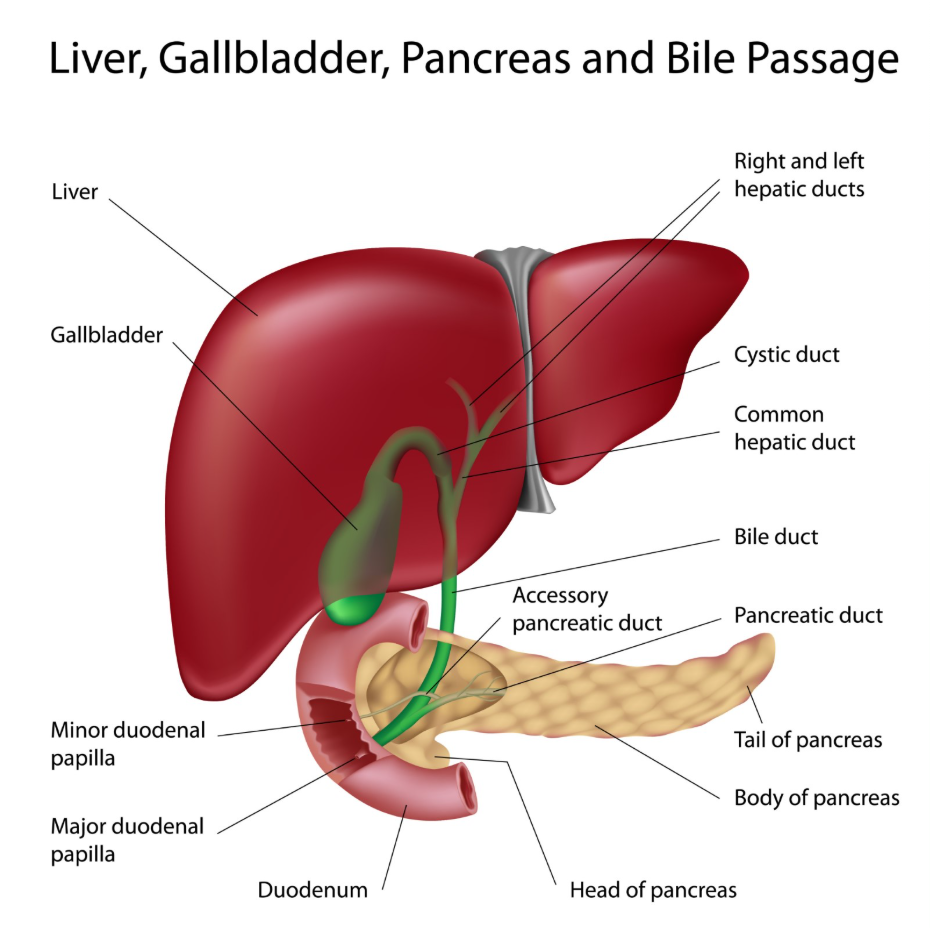
Once bilirubin reaches the intestines, it is further broken down by bacteria, which gives stool its characteristic brown colour. A small amount is also processed by the kidneys, contributing to the straw-coloured appearance of urine. When any part of this pathway is disrupted by liver disease, the bilirubin has nowhere to go but back into the bloodstream, where it eventually deposits in the skin and the mucous membranes of the eyes.
Jaundice in Fatty Liver Disease
Jaundice occurs in fatty liver disease primarily when the accumulation of fat leads to significant inflammation and swelling of the liver cells, a stage known as non-alcoholic steatohepatitis. While simple fat buildup rarely causes jaundice, the inflammatory stage causes hepatocytes to swell, which can physically squeeze the microscopic bile canaliculi that run between the cells.
This swelling creates a bottleneck, preventing the processed bilirubin from leaving the liver cells. Furthermore, the oxidative stress associated with severe fatty liver can damage the transport proteins responsible for moving bilirubin. In the United Kingdom, jaundice in a patient with fatty liver disease is often a sign that the condition has moved beyond simple fat accumulation into a more acute inflammatory phase. NICE clinical guidelines state that identifying the progression from simple steatosis to active inflammation is vital for preventing the onset of jaundice and permanent liver damage.
The Impact of Cirrhosis on Bile Flow
In patients with cirrhosis, jaundice occurs because the soft, functional liver tissue has been replaced by hard, fibrous scar tissue that distorts the entire internal structure of the organ. As the scarring becomes more extensive, it constricts the network of blood vessels and bile ducts that permeate the liver. This structural distortion makes it increasingly difficult for the liver to receive blood for filtration and to export bile once it has been produced.
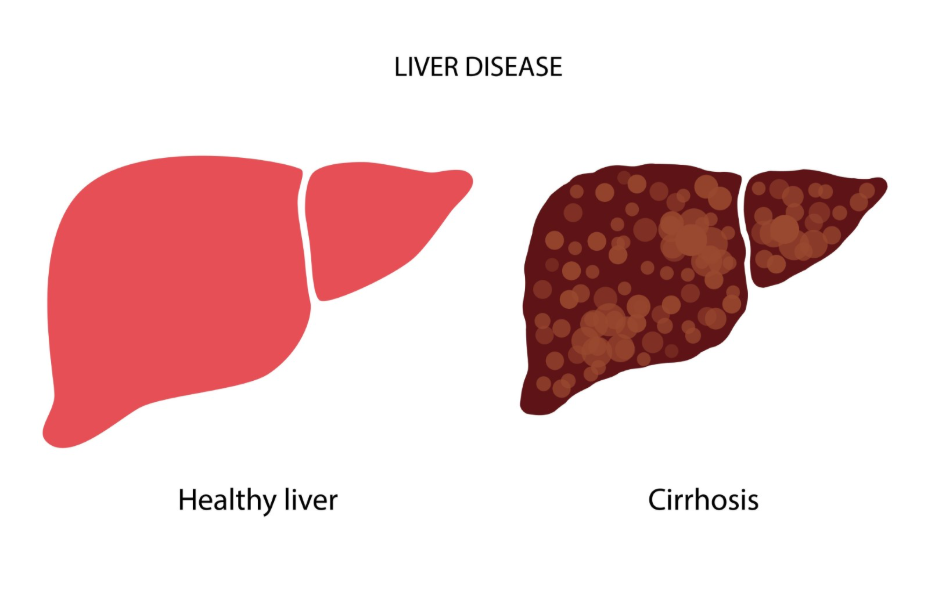
Cirrhosis also involves a reduction in the total number of healthy liver cells available to process bilirubin. When the number of functional cells falls below a certain threshold, the liver can no longer keep up with the daily production of bilirubin from old red blood cells. This results in “decompensated” cirrhosis, where jaundice becomes a persistent or worsening feature. The table below compares how different stages of liver damage impact bilirubin management:
| Liver Stage | Bilirubin Management | Presence of Jaundice |
| Healthy Liver | Efficient filtration and excretion | None |
| Fatty Liver | Usually normal unless inflamed | Rare (only in NASH) |
| Compensated Cirrhosis | Liver compensates for scars | Often absent |
| Decompensated Cirrhosis | Significant filtration failure | Common and persistent |
Physical Obstruction in Liver Cancer
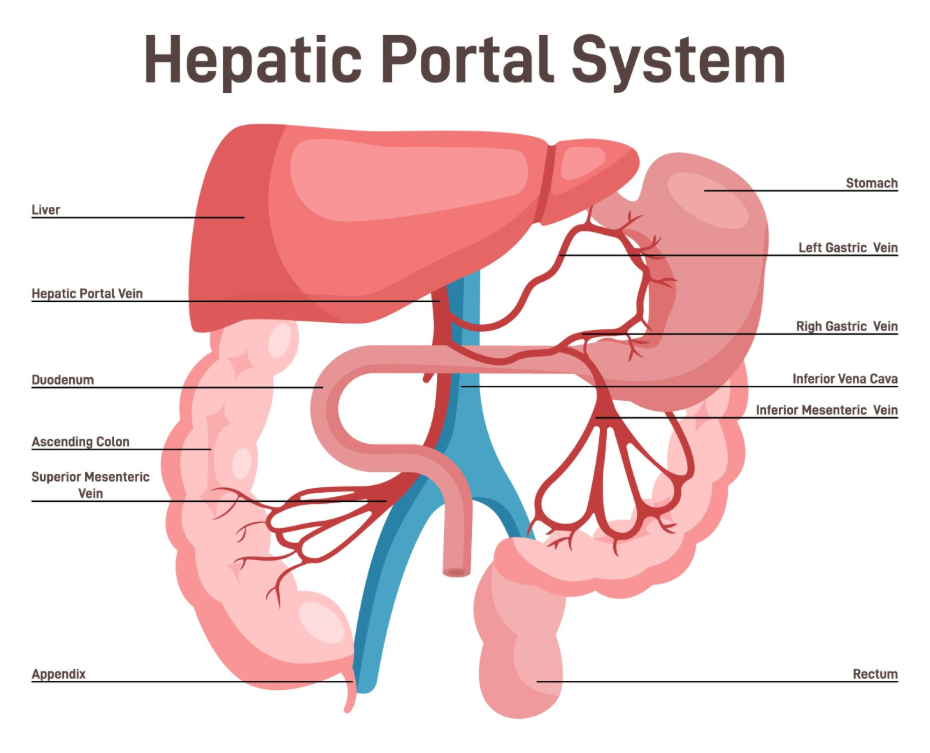
Jaundice occurs in liver cancer when a tumour grows large enough to physically block the primary bile ducts or when the malignancy replaces a significant portion of healthy liver tissue. If a tumour develops near the hilum, where the major bile ducts exit the liver, it can act like a dam, causing bile to back up into the organ. This is known as obstructive jaundice.
Malignant growths can also infiltrate the liver tissue so extensively that the organ’s overall ability to process bilirubin is lost. In some cases, the cancer may also spread to the lymph nodes near the liver, which can then press on the bile ducts from the outside. The GOV.UK health pages indicate that jaundice is a significant clinical sign that often prompts urgent investigation for primary or secondary liver malignancies in high-risk patients. This form of jaundice is often accompanied by intense itching as bile salts also accumulate in the skin.
Associated Changes in Urine and Stool
When jaundice occurs due to liver disease, it is frequently accompanied by changes in the colour of urine and stools which reflect the diverted path of bilirubin. Because the bilirubin cannot enter the intestines, the stool loses its usual brown pigment and may appear pale, grey, or clay coloured. This is a hallmark sign that the bile flow is obstructed or that the liver is failing to export bile.
Simultaneously, the excess bilirubin in the blood is eventually filtered by the kidneys in a form that the body normally does not handle in large quantities. This causes the urine to become very dark, often described as the colour of tea or cola. These changes provide important diagnostic clues for UK clinicians, helping them determine whether the jaundice is caused by an overproduction of bilirubin or a failure in the liver’s excretion system.
Conclusion
Jaundice occurs in fatty liver disease, cirrhosis, and liver cancer because these conditions disrupt the liver’s intricate system for filtering and excreting bilirubin. Whether through cellular swelling, structural scarring, or physical obstruction by a tumour, the result is a buildup of pigment that affects the entire body. Monitoring bilirubin levels remains a primary method for assessing liver function and the severity of liver disease in clinical practice. If you experience severe, sudden, or worsening symptoms, call 999 immediately.
Does jaundice always mean I have liver cancer?
No, jaundice can be caused by many things including gallstones, hepatitis, or certain blood disorders, though it always requires medical investigation.
Can fatty liver cause jaundice without any pain?
Yes, it is possible for jaundice to develop silently if the liver becomes severely inflamed without stretching the organ’s protective capsule.
Why does my skin itch when I am jaundiced?
Itching is caused by the accumulation of bile salts in the skin, which occurs alongside the buildup of bilirubin when bile flow is blocked.
Will jaundice go away if I stop drinking alcohol?
If the jaundice is caused by acute alcoholic hepatitis or early fatty liver, it may resolve with total abstinence, but in advanced cirrhosis, it is more difficult to reverse.
How do doctors measure how jaundiced I am?
A blood test called a bilirubin test measures the exact concentration of the pigment in your bloodstream to determine the severity.
Is jaundice in a newborn the same as liver disease in adults?
Newborn jaundice is very common and usually relates to an immature liver, whereas in adults it is almost always a sign of an underlying health condition.
Can a healthy diet clear up jaundice?
While a healthy diet supports liver function, jaundice is a clinical sign of significant dysfunction that requires a medical diagnosis and targeted treatment of the cause.
Authority Snapshot (E-E-A-T)
This article provides medically factual health education regarding the causes of jaundice, strictly aligned with NHS and NICE clinical protocols. The content is developed by a professional medical writing team and reviewed by Dr. Rebecca Fernandez, a UK-trained physician with experience in internal medicine, surgery, and emergency care. All information follows current UK public health standards to ensure accuracy and patient safety.