The frequency with which fatty liver disease is monitored in the United Kingdom depends primarily on the stage of the condition and the presence of metabolic risk factors that may influence its progression. While individuals with simple fat accumulation and no signs of inflammation may only require an assessment every few years, those with more advanced stages or significant risk factors like type 2 diabetes often require more frequent clinical review. Monitoring is a vital component of long term liver care because it allows healthcare professionals to track the effectiveness of lifestyle interventions and identify any early signs of liver scarring or inflammation. In the UK, the NHS follows specific guidelines to ensure that patients are reviewed at appropriate intervals, balancing the need for clinical oversight with the typical speed of liver disease progression. Regular follow up ensures that any transition from a reversible state to a more serious one is identified promptly, allowing for adjustments in the patient’s management plan.
What We’ll Discuss in This Article
- The standard monitoring intervals for simple fatty liver disease.
- How the presence of metabolic risk factors influences review frequency.
- The role of annual blood tests in tracking liver inflammation.
- When and why a FibroScan is repeated to measure liver stiffness.
- Specific monitoring requirements for patients with advanced fibrosis.
- How UK clinical guidelines determine the transition between primary and specialist care.
Monitoring Intervals for Simple Fatty Liver
For individuals with simple steatosis and low risk of scarring, monitoring is usually performed every two to three years to ensure the condition remains stable. At this stage, the focus of the NHS is on providing lifestyle advice and managing underlying metabolic health rather than intensive liver specific testing. The NHS states that most people with non-alcoholic fatty liver disease do not develop serious problems, but regular check-ups can help monitor the health of the liver over time.
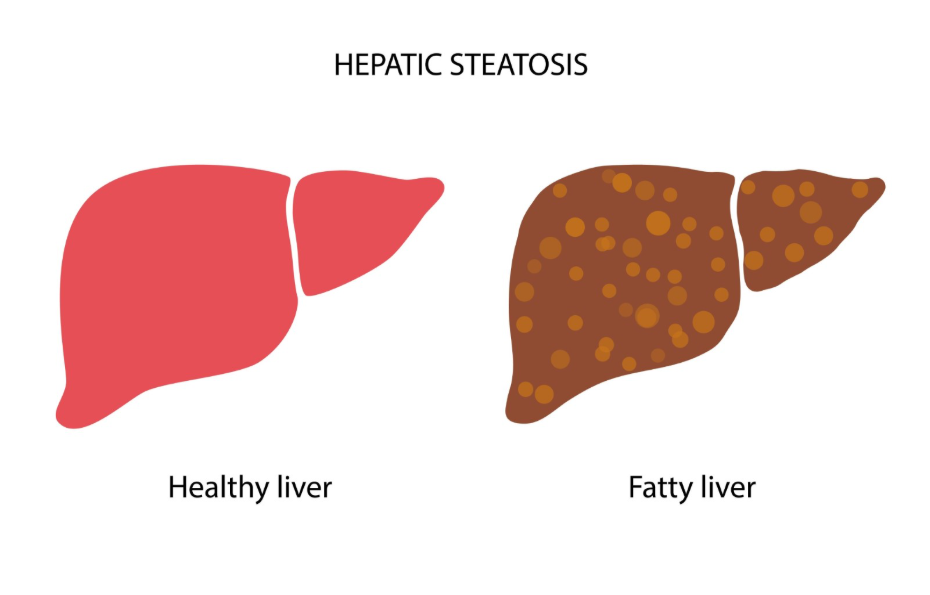
During these periodic reviews, a GP will typically re-evaluate the patient’s body mass index, blood pressure, and cholesterol levels. If these metabolic markers remain stable and the patient has no new symptoms, a full liver reassessment is not usually required more frequently. This approach reflects the fact that simple fat accumulation in the liver progresses very slowly in most people, meaning that frequent scans would not typically show significant changes and are not clinically necessary.
The Role of Annual Metabolic and Blood Reviews
Patients with fatty liver disease who also have high-risk conditions such as type 2 diabetes or hypertension are generally monitored at least once a year as part of their broader metabolic health review. While a liver scan may not happen every year, blood tests known as liver function tests are often included in annual check-ups to detect any sudden spikes in liver enzymes.
Elevated enzymes like alanine aminotransferase can indicate that the liver has become inflamed, suggesting a potential move from simple fat to non-alcoholic steatohepatitis. If these annual blood results show a persistent or significant change, it may prompt the healthcare provider to bring forward the next scheduled liver scan or fibrosis assessment. Maintaining this annual rhythm allows the clinical team to keep a close eye on the systemic factors that are known to drive liver damage in the UK population.
Reassessment of Liver Stiffness and Fibrosis
The frequency of repeating specialised tests like a FibroScan or a fibrosis blood score depends on the patient’s initial results and their overall clinical risk profile. For individuals who have been identified as having a low risk of advanced scarring, a repeat assessment of liver stiffness is often recommended every three years. NICE clinical guidelines suggest that people with non-alcoholic fatty liver disease who are at low risk of advanced fibrosis should be reassessed every three years to check for progression.
However, if a patient’s circumstances change significantly, such as a rapid increase in weight or poorly controlled blood sugar, the reassessment may happen sooner. The goal of repeating these tests is to identify the development of fibrosis, which is the formation of scar tissue. Because fibrosis is the primary factor that determines the long term outlook for liver health, measuring the physical stiffness of the liver at regular intervals is a cornerstone of the UK’s diagnostic and monitoring strategy.
Monitoring Frequency for Advanced Fibrosis
Individuals who have already been identified as having significant liver scarring or advanced fibrosis require more intensive and frequent monitoring, often managed by a specialist hepatology team. At this stage, the monitoring intervals are typically shortened to every six to twelve months to ensure that the liver remains stable and to check for the onset of cirrhosis.
| Stage of Disease | Standard Monitoring Interval | Primary Test Type |
| Simple Steatosis | Every 2 to 3 years | Metabolic review and LFTs |
| Low-Risk NAFLD | Every 3 years | FibroScan or Fibrosis Score |
| Moderate Fibrosis | Every 6 to 12 months | Specialist review and Imaging |
| Cirrhosis | Every 6 months | Cancer surveillance (Ultrasound) |
When the disease reaches the stage of cirrhosis, the monitoring focus shifts toward the early detection of complications. The GOV.UK health pages indicate that individuals with confirmed cirrhosis should be offered an ultrasound scan every six months to screen for primary liver cancer. This rigorous schedule is essential because the risk of malignant changes increases significantly in a heavily scarred liver, and early detection provides the best opportunity for successful medical intervention.
Transitions in Clinical Oversight
The monitoring frequency is also adjusted based on whether the patient is being managed in primary care by a GP or in secondary care by a hospital specialist. Most patients with fatty liver disease in the UK are managed by their GP unless there is evidence of advanced scarring or the diagnosis is uncertain. A referral to a specialist usually occurs if a FibroScan or blood score indicates a high probability of significant fibrosis.
Once a patient is referred, the specialist will determine a bespoke monitoring schedule based on the complexity of the case. If the liver condition stabilises or improves significantly through lifestyle changes, a patient may eventually be discharged back to their GP with instructions for less frequent long term monitoring. This collaborative approach ensures that the most intensive resources are focused on those at the highest risk of liver failure or other serious health complications.
Conclusion
Monitoring for fatty liver disease is typically scheduled every two to three years for those at low risk, while annual blood tests and more frequent scans are reserved for those with metabolic complications or advanced scarring. The specific timing of these reviews is designed to match the progression of the disease and allow for timely adjustments to treatment and lifestyle advice. Consistent participation in these scheduled reviews is the most effective way for patients in the UK to protect their liver health over the long term. If you experience severe, sudden, or worsening symptoms, call 999 immediately.
Why don’t I get a liver scan every year?
Liver disease usually progresses very slowly, so scanning every year is not typically necessary for those with simple fat and low risk of scarring.
Should I have my liver checked more often if I have diabetes?
Yes, diabetes is a major risk factor for liver progression, so your liver enzymes are usually checked annually as part of your diabetes review.
What happens if I miss my three-year liver review?
It is important to rebook as soon as possible to ensure that any silent progression of scarring is identified and managed.
Can I request a liver test more often if I am worried?
You can discuss your concerns with your GP, who will determine if more frequent testing is clinically justified based on your risk factors.
Does losing weight change how often I need to be monitored?
Significant weight loss can improve liver health, and your doctor may adjust your monitoring frequency once your liver enzymes and metabolic markers stabilise.
Is a blood test enough for my annual check-up?
A blood test helps detect inflammation, but it does not measure scarring; a scan or specific fibrosis score is needed periodically for a full assessment.
Who decides when my next liver appointment should be?
Your GP or specialist will set a review date based on your most recent test results and current UK clinical guidelines.
Authority Snapshot (E-E-A-T)
This article provides medically factual health education regarding the monitoring of liver disease, strictly aligned with NHS and NICE clinical protocols. The content is developed by a professional medical writing team and reviewed by Dr. Rebecca Fernandez, a UK-trained physician with experience in internal medicine, surgery, and emergency care. All information follows current UK public health standards to ensure accuracy and patient safety.