Fatty liver disease can often be reversed or significantly improved if it is identified and managed in its early stages before permanent scar tissue, known as cirrhosis, has developed. The liver is a unique organ with a remarkable capacity for self-repair and regeneration, meaning that the accumulation of fat and even early-stage inflammation can be halted or undone. In the United Kingdom, healthcare strategies for non-alcoholic fatty liver disease focus heavily on lifestyle modifications that address the underlying metabolic causes of fat buildup. When the metabolic stress on the liver is reduced, the organ can begin to clear stored lipids and heal damaged cells. However, once the disease progresses to advanced cirrhosis, the structural changes to the liver become largely permanent, making early intervention critical. Understanding the window of opportunity for reversal allows patients to take proactive steps to protect their long-term liver health and prevent the transition to irreversible organ failure.
What We’ll Discuss in This Article
- The biological mechanisms that allow the liver to reverse fat accumulation.
- The difference between reversible inflammation and permanent scarring.
- How weight management influenced by healthy eating impacts liver fat.
- The role of physical activity in improving hepatic insulin sensitivity.
- Why addressing metabolic conditions like type 2 diabetes is essential for recovery.
- NHS and NICE recommendations for monitoring liver improvement over time.
The Liver’s Capacity for Regeneration and Repair
The liver possesses a high degree of plasticity, allowing it to return to a healthy state provided the primary source of injury is removed or managed. In the early stages of fatty liver disease, the cells are swollen with triglycerides but have not yet been replaced by fibrous tissue. The NHS states that most people with non-alcoholic fatty liver disease will not develop serious problems, and it is often possible to reverse the condition if it is caught in the early stages.
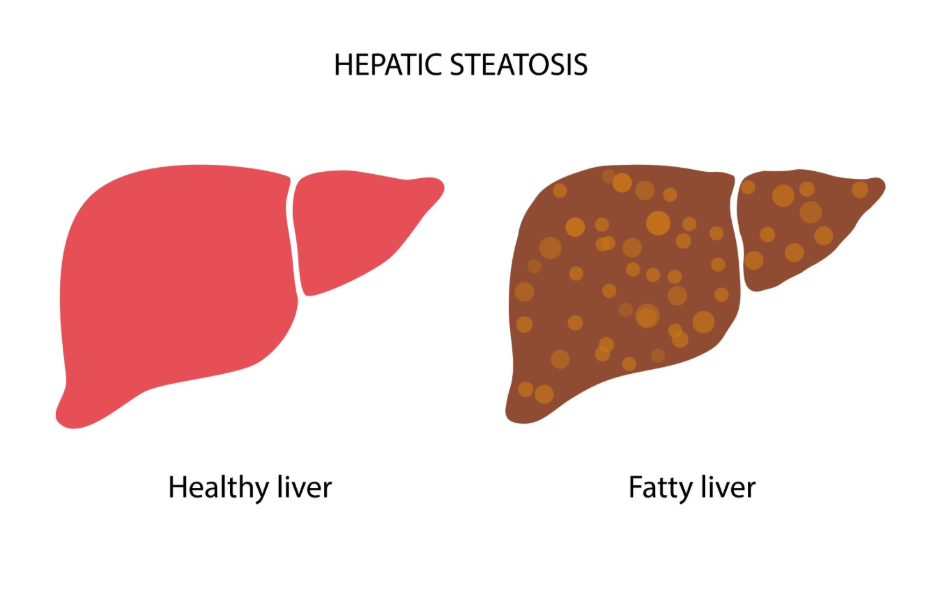
When the influx of excess energy to the liver is curtailed, the organ activates metabolic pathways to break down and export stored fat. This cellular cleanup process reduces the volume of the liver and relieves the pressure on the internal structures. As the fat levels drop, the chemical signals that trigger inflammation also subside, allowing the liver to focus on its essential filtration and synthetic duties rather than constant wound healing.
Reversible Inflammation versus Permanent Scarring
Medical professionals distinguish between reversible stages, such as simple fat accumulation and non-alcoholic steatohepatitis (NASH), and the more permanent stage of advanced cirrhosis. While active inflammation in NASH causes cell damage, the liver can still heal these injuries by regenerating healthy hepatocytes. It is only when this inflammation persists for many years that the body’s repair mechanism defaults to creating collagen-based scar tissue.
Early-stage scarring, known as fibrosis, may also show signs of regression if the underlying metabolic drivers are controlled. However, once these fibrous bands become widespread and bridge together to form nodules, the condition is classified as cirrhosis. In the UK, clinicians use non-invasive scans to determine where a patient sits on this spectrum. The goal is always to intervene during the reversible window to prevent the architectural distortion of the liver that defines end-stage disease.
The Impact of Weight Management and Nutrition
Weight management is the most effective clinical intervention for reversing fatty liver disease because it directly reduces the amount of substrate available for the liver to convert into fat. Clinical studies monitored by UK health bodies show that losing a specific percentage of body weight can lead to a significant reduction in liver fat and a decrease in liver enzyme levels. NICE clinical guidelines highlight that a weight loss of 5% to 10% is often sufficient to improve non-alcoholic fatty liver disease and reduce liver inflammation.
| Percentage of Weight Loss | Primary Effect on the Liver |
| 3% to 5% | Reduction in simple fat accumulation (steatosis). |
| 7% to 10% | Reduction in liver cell inflammation and NASH activity. |
| Over 10% | Potential for improvement in early-stage scar tissue (fibrosis). |
Nutritional changes focus on reducing the intake of refined carbohydrates and free sugars, which the liver easily converts into fat through a process called de novo lipogenesis. By choosing a balanced diet rich in vegetables, lean proteins, and whole grains, patients can lower their blood insulin levels. Lower insulin signals the liver to stop storing fat and start using its existing energy reserves, effectively initiating the reversal process.
The Role of Physical Activity in Liver Health
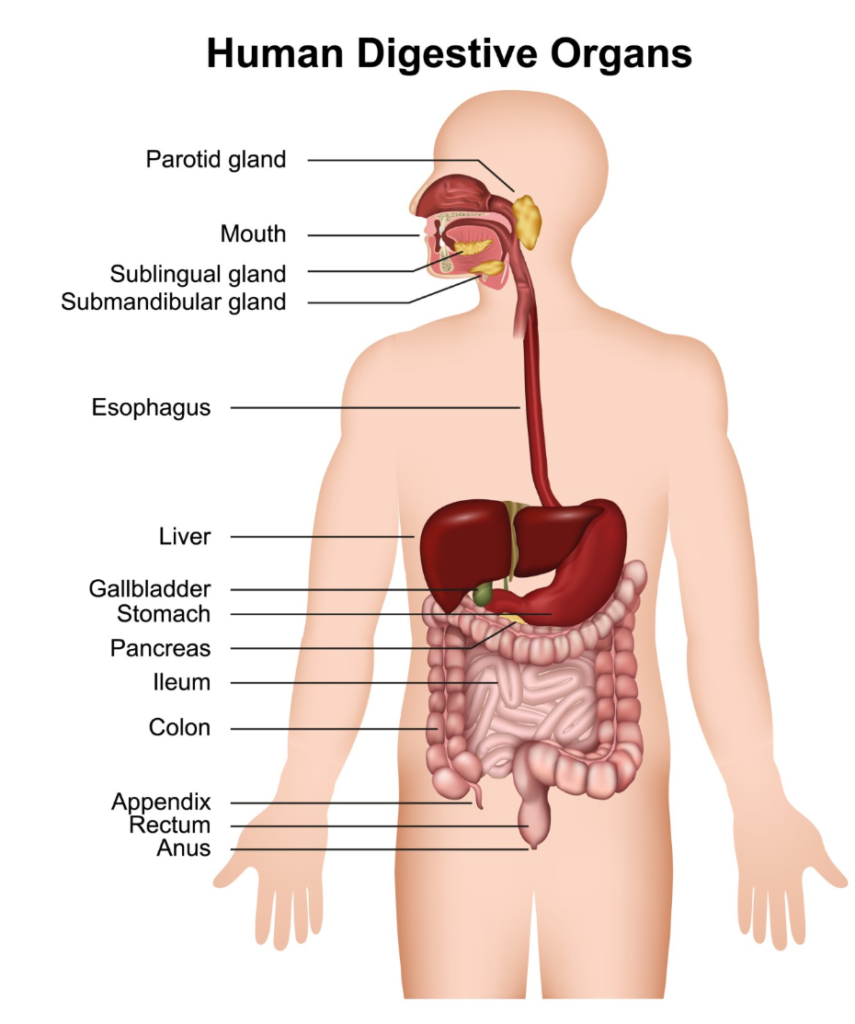
Physical activity supports the reversal of fatty liver disease by improving the body’s sensitivity to insulin and increasing the metabolic demand for stored energy. When muscles are active, they absorb glucose and fatty acids from the blood, which reduces the amount of “fuel” delivered to the liver. This systemic improvement in metabolism helps to lower the overall fat burden on the organ, even if weight loss is gradual.
In the UK, the recommendation is usually for a combination of aerobic exercise and resistance training. Aerobic exercise, such as brisk walking or swimming, helps burn calories and improve cardiovascular health, while resistance training increases muscle mass, which further enhances insulin sensitivity. These physiological changes create a more stable metabolic environment, making it easier for the liver to remain in a state of repair rather than a state of storage.
Managing Underlying Metabolic Conditions
Reversing fatty liver disease requires the careful management of associated metabolic conditions, particularly type 2 diabetes and high blood pressure, which can otherwise continue to stress the liver. High blood sugar levels provide a constant supply of glucose for the liver to turn into fat, while insulin resistance keeps the liver in a “fat-building” mode. By stabilising blood sugar through diet, exercise, or medication, the primary driver of liver fat is neutralised.
The GOV.UK health pages indicate that the effective management of type 2 diabetes and obesity is a cornerstone of preventing the progression of chronic liver disease in the UK population. When blood pressure and cholesterol are also brought into healthy ranges, the systemic inflammation that contributes to liver damage is reduced. This holistic approach ensures that the liver is not fighting against a hostile internal environment while it attempts to regenerate.
Conclusion
Fatty liver disease is often reversible in its early stages through a combination of weight management, nutritional changes, and the control of metabolic risk factors. The liver’s natural ability to regenerate allows it to clear excess fat and heal from inflammation before permanent scarring or cirrhosis takes hold. Consistent clinical monitoring through the NHS ensures that these lifestyle interventions are effective and that liver health is maintained over the long term. If you experience severe, sudden, or worsening symptoms, call 999 immediately.
Can I reverse fatty liver if I don’t lose weight?
While weight loss is the most effective method, improving your diet and increasing exercise can still reduce liver fat and inflammation by improving insulin sensitivity.
How long does it take to see an improvement in the liver?
Some studies show that liver fat can begin to decrease after just a few weeks of significant dietary changes, though full reversal takes longer.
Is there a medication that reverses fatty liver?
There is currently no specific medicine for fatty liver disease, so the NHS focuses on managing the causes, such as weight and blood sugar.
Does cutting out alcohol help reverse non-alcoholic fatty liver?
While the condition is not caused by alcohol, avoiding it reduces the total toxic burden on the liver, which can support the healing process.
Can early-stage scarring really go away?
Yes, early fibrosis can sometimes regress if the inflammation is stopped, but once it becomes advanced cirrhosis, it is usually permanent.
Will my liver tests go back to normal?
If the condition is successfully reversed, liver enzymes like ALT and AST often return to healthy ranges.
How do I know if my liver is reversing?
Doctors use follow-up blood tests and non-invasive scans like a FibroScan to measure the reduction in fat and tissue stiffness.
Authority Snapshot (E-E-A-T)
This article provides medically factual health education regarding the reversal of liver disease, strictly aligned with NHS and NICE clinical guidelines. The content is developed by a professional medical writing team and reviewed by Dr. Rebecca Fernandez, a UK-trained physician with experience in internal medicine, surgery, and emergency care. All information follows current UK public health protocols to ensure accuracy and patient safety.