




Liver cirrhosis significantly increases the probability of developing primary liver cancer because the long term cycle of liver cell damage and regeneration creates an environment prone to genetic mutations. While not every person with cirrhosis will develop a malignancy, the presence of extensive scarring is the single most important risk factor for hepatocellular carcinoma, the most common type of primary liver cancer. In the United Kingdom, the healthcare strategy for managing this risk is built upon regular clinical surveillance aimed at detecting cellular changes at the earliest possible stage. The likelihood of cancer developing depends on several factors, including the underlying cause of the cirrhosis, the duration of the condition, and the presence of other metabolic health issues. Understanding this relationship allows patients and clinicians to work together on a proactive monitoring plan that prioritises early intervention and the maintenance of remaining liver function.
What We’ll Discuss in This Article
- The biological link between liver scarring and the formation of tumours.
- Statistical trends regarding the progression from cirrhosis to liver cancer.
- How the underlying cause of cirrhosis influences cancer probability.
- The role of constant cell regeneration in DNA instability.
- NHS protocols for six monthly liver cancer screening.
- Lifestyle factors that may influence the level of risk over time.
The Relationship Between Cirrhosis and Malignancy
Cirrhosis leads to liver cancer in a notable proportion of cases because the physical and chemical changes within a scarred liver promote the survival of abnormal cells. When the liver is affected by cirrhosis, its healthy architecture is replaced by nodules of regenerating cells surrounded by fibrous bands of scar tissue. The NHS states that primary liver cancer is often associated with damage and scarring of the liver, known as cirrhosis, which can be caused by many different factors over many years.
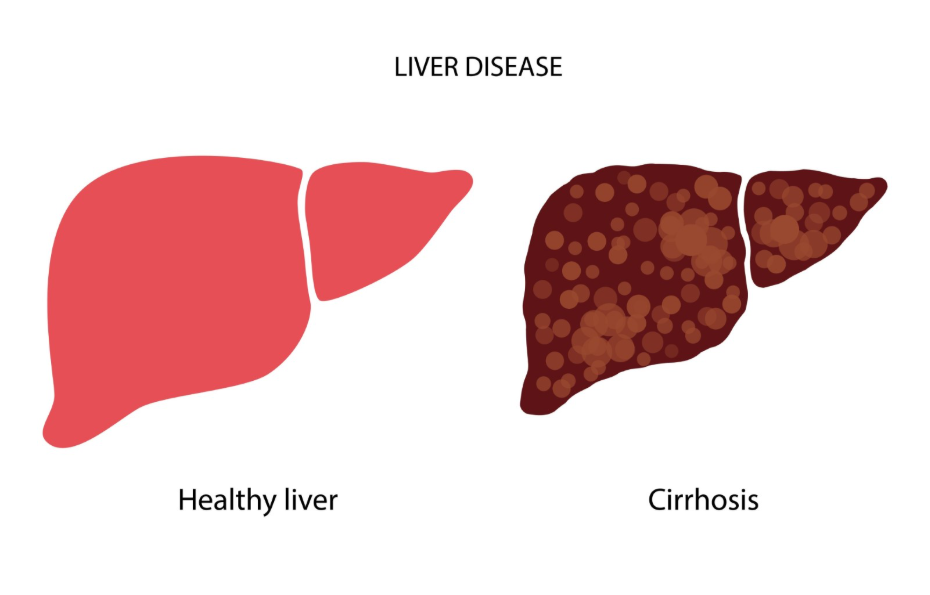
The presence of this scar tissue disrupts the normal blood supply and oxygenation of the liver cells, creating a state of chronic physiological stress. This environment forces the liver cells to divide much faster than usual to compensate for the lost tissue. Every time a cell replicates, there is a small chance that a mistake will occur in the copying of its genetic code. Over decades of constant repair in a cirrhotic liver, these cumulative errors can eventually lead to the uncontrolled growth that characterises a cancerous tumour.
Frequency of Cancer Development in Scars
While cirrhosis is a serious condition, it is important to note that many individuals with liver scarring will not develop cancer during their lifetime. Clinical data suggests that only a small percentage of people with cirrhosis develop primary liver cancer each year, though the cumulative risk increases the longer a person lives with the condition. The transition from scarring to cancer is usually a slow process, often taking many years after the initial diagnosis of cirrhosis.
The risk is not uniform across all patients; it is influenced by the stability of the liver disease. Those whose cirrhosis is “compensated,” meaning the liver is still performing its vital functions effectively, may have a different risk profile than those with “decompensated” disease. Because the transition to cancer can occur without new symptoms, UK healthcare relies on objective tests and imaging rather than waiting for physical changes to appear.
Influence of the Underlying Cause of Cirrhosis
The underlying reason why a person developed cirrhosis in the first place can significantly affect how often it leads to liver cancer. For example, cirrhosis caused by chronic viral infections like Hepatitis B or Hepatitis C carries a higher statistical risk because these viruses can directly damage the DNA of liver cells while also causing scarring.
| Cause of Cirrhosis | Relative Impact on Cancer Risk | Primary Mechanism |
| Viral Hepatitis (B or C) | High | Viral DNA interference and chronic inflammation |
| Alcohol-Related Disease | Moderate to High | Toxic metabolites and oxidative stress |
| Non-Alcoholic Fatty Liver | Moderate | Metabolic stress and fat-induced inflammation |
| Autoimmune Conditions | Moderate | Ongoing immune-mediated cell destruction |
NICE clinical guidelines state that people with cirrhosis should be offered surveillance for hepatocellular carcinoma because the risk is significantly elevated regardless of the initial cause of the scarring. This standardised approach ensures that all patients with advanced liver damage receive equal levels of preventative care.
The Role of Cell Regeneration and DNA Stability
The biological driver of cancer in a cirrhotic liver is the instability of DNA caused by the organ’s attempt to heal itself. In cirrhosis, the liver is in a perpetual state of “wound healing,” which requires a constant supply of new hepatocytes (liver cells). This high rate of turnover is hazardous because the cellular machinery responsible for copying DNA is more likely to make errors when it is forced to work at an accelerated pace or under conditions of chronic inflammation.
If these genetic errors occur in sections of the DNA that regulate the cell cycle or suppress tumours, the cell may lose its ability to stop dividing. This results in the formation of a malignant mass. Because the liver does not have pain receptors in its internal tissue, these microscopic changes and early tumour growths are usually painless, which is why regular medical checks are more reliable than physical sensations.
NHS Surveillance Protocols and Early Detection
In the United Kingdom, the primary method for managing the risk of cancer in patients with cirrhosis is a structured surveillance programme. This typically involves an ultrasound scan of the liver and a blood test for a protein called alpha fetoprotein every six months. This specific interval is chosen because it aligns with the average growth rate of primary liver tumours, allowing them to be caught while they are small and localized.
The goal of this monitoring is to find tumours at a stage where curative treatments, such as surgical removal or liver transplantation, are still possible. According to the GOV.UK health pages, regular six monthly surveillance is the most effective way to improve survival rates for those at high risk of liver cancer due to chronic liver disease. Missing these appointments is discouraged, as it allows tumours to grow to a size where they may be more difficult to manage.
Conclusion
Cirrhosis leads to liver cancer in a specific subset of patients due to the biological instability created by chronic scarring and cell regeneration. While the risk is significantly higher than in the general population, consistent medical surveillance through the NHS provides a vital safety net for early detection. The probability of cancer is influenced by the cause of the cirrhosis and how well the liver is currently functioning. Maintaining a proactive relationship with a healthcare team is the most effective way to manage these long term risks. If you experience severe, sudden, or worsening symptoms, call 999 immediately.
Does every person with cirrhosis eventually get liver cancer?
No, while the risk is much higher, many people with cirrhosis live for many years without ever developing liver cancer.
Can I reduce my cancer risk if I already have cirrhosis?
Managing the underlying cause, such as stopping alcohol use or treating viral hepatitis, can help stabilise the liver and may lower the risk.
Why is the screening done every six months and not once a year?
Six months is the evidence based interval needed to catch liver tumours while they are small enough for effective treatment.
Is liver cancer painful in its early stages?
Usually not; liver tumours often cause no symptoms until they are quite large, which is why regular scans are essential.
Can a healthy diet stop cirrhosis from becoming cancer?
A healthy diet supports overall liver health, but it cannot remove the risk created by existing scar tissue, so medical monitoring is still required.
What is the difference between a nodule and a tumour?
A nodule is a small lump that can be benign (scarring) or malignant (cancer); specialists use detailed scans to tell them apart.
Can I get liver cancer if my cirrhosis is “compensated”?
Yes, the risk of cancer is related to the presence of scar tissue and cell mutations, even if the liver is still functioning well.
Authority Snapshot (E-E-A-T)
This article provides medically factual health information regarding the link between cirrhosis and liver cancer, strictly aligned with NHS and NICE clinical guidelines. The content is developed by a professional medical writing team and reviewed by Dr. Rebecca Fernandez, a UK-trained physician with experience in internal medicine, surgery, and emergency care. All information follows current UK public health protocols to ensure clinical accuracy and patient safety.



