




Treatments for early stage liver cancer are primarily focused on curative outcomes, meaning the goal is to remove or destroy the cancerous cells entirely while preserving as much healthy liver function as possible. When primary liver cancer, most commonly hepatocellular carcinoma, is identified in its early stages, it is usually localised to a small area and has not yet spread to major blood vessels or distant organs. In the United Kingdom, the selection of a specific treatment depends not only on the size and location of the tumour but also on the underlying health of the liver, particularly if the patient has existing cirrhosis. The NHS employs a multidisciplinary approach where specialists in surgery, radiology, and hepatology collaborate to determine the safest and most effective pathway for each individual. Because the liver is essential for life, the clinical priority is to balance the total eradication of the cancer with the prevention of liver failure.
What We’ll Discuss in This Article
- The role of surgical resection in removing early stage tumours.
- Liver transplantation as a curative option for patients with cirrhosis.
- Thermal ablation techniques for destroying small cancerous masses.
- How the underlying health of the liver dictates treatment eligibility.
- The importance of multidisciplinary team reviews in the UK.
- Long term monitoring requirements following successful treatment.
Surgical Resection for Localised Tumours
Surgical resection, also known as a partial hepatectomy, involves the physical removal of the tumour along with a margin of healthy surrounding tissue. This treatment is often the first choice for patients who have early stage liver cancer but do not have significant underlying liver disease or cirrhosis. The NHS explains that surgery to remove the cancerous part of the liver can be a very effective treatment if the cancer is found early and the rest of the liver is healthy.
The liver has a remarkable ability to regenerate, meaning that in a healthy individual, the remaining portion of the organ can grow back to its near original size within a few weeks. However, if a patient has advanced cirrhosis, surgery becomes much riskier because the scarred liver cannot regenerate effectively and the risk of post operative liver failure is higher. UK surgeons use detailed imaging and blood tests to ensure that the remaining liver tissue will be sufficient to support the body’s metabolic needs after the tumour is removed.
Liver Transplantation as a Curative Pathway
Liver transplantation is a highly effective curative treatment for early liver cancer because it simultaneously removes the cancerous tumour and replaces the underlying diseased organ. This option is particularly valuable for patients whose cancer has developed as a complication of cirrhosis, as it addresses both the malignancy and the risk of future liver failure. NICE clinical guidelines state that liver transplantation should be considered for patients with early hepatocellular carcinoma who meet specific criteria regarding the size and number of their tumours.
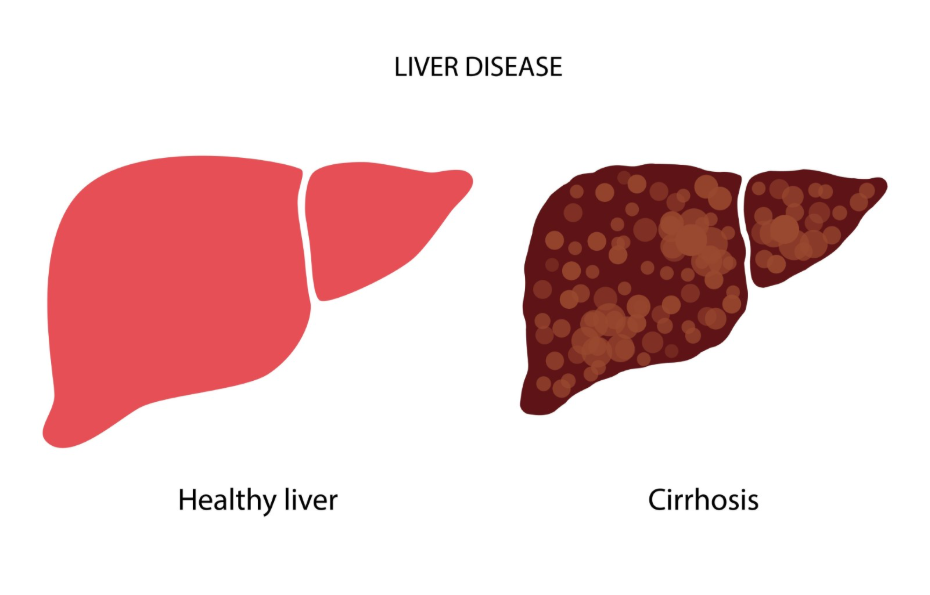
In the United Kingdom, patients must meet the “Milan Criteria” or similar UK specific standards to be eligible for a transplant. These criteria generally require that there is either a single tumour less than five centimetres in diameter or up to three tumours, each less than three centimetres. Because donor organs are a limited resource, the assessment process is thorough, ensuring that the transplant offers the best long term survival benefit. While waiting for a transplant, patients may receive other local treatments to prevent the cancer from growing.
Thermal Ablation for Small Masses
Thermal ablation is a non surgical treatment that uses heat or extreme cold to destroy cancerous cells directly within the liver. This technique is typically reserved for small tumours, usually those less than three to five centimetres, and is often performed by an interventional radiologist using ultrasound or CT guidance. The most common form is radiofrequency ablation, which uses high frequency electrical currents to produce heat and kill the cancer cells.
| Ablation Type | Mechanism of Action | Clinical Use |
| Radiofrequency Ablation | Uses heat from electrical currents | Best for small, single tumours |
| Microwave Ablation | Uses electromagnetic waves to create heat | Can treat slightly larger areas |
| Cryotherapy | Uses extreme cold to freeze cells | Used less frequently in the UK |
Ablation is particularly useful for patients who may not be strong enough for major surgery or for those whose tumours are in difficult to reach locations. It is a minimally invasive procedure, often requiring only a small incision and a shorter hospital stay compared to a hepatectomy. While highly effective for very small tumours, the risk of the cancer returning in the same area is slightly higher than with surgical removal, necessitating close follow up monitoring.
Factors Influencing Treatment Accuracy and Choice
The choice of treatment for early liver cancer is not determined solely by the cancer itself but by a complex assessment of the patient’s overall health and liver synthetic function. Specialists use the Child-Pugh score or the MELD score to determine how well a scarred liver is still working. A patient with a small tumour but very poor liver function might be a better candidate for a transplant or ablation than for a surgical resection.
The GOV.UK health pages indicate that a multidisciplinary approach is the standard of care in the UK to ensure that all clinical factors, including the patient’s fitness for anaesthesia and the tumour’s proximity to major blood vessels, are considered. This integrated decision making process ensures that the chosen treatment is the safest option available. The goal is to maximise the chance of a cure while minimising the immediate risks of the intervention.
Long Term Monitoring After Treatment
Following curative treatment for early liver cancer, patients enter a long term surveillance programme to monitor for any signs of the cancer returning. Even when a tumour is successfully removed or destroyed, the underlying liver condition that caused the cancer often remains, meaning there is an ongoing risk of new malignant growths. Surveillance typically involves regular blood tests and imaging scans, such as an ultrasound, CT, or MRI, every three to six months.
This follow up is essential for identifying any recurrence at a stage where it can once again be treated curatively. Patients are also encouraged to maintain a healthy lifestyle, including total alcohol abstinence and weight management, to support their liver health. Consistent participation in this monitoring cycle is a vital part of the recovery process in the UK, providing peace of mind and ensuring that any changes in liver health are addressed promptly by the specialist team.
Conclusion
Treatments for early liver cancer include surgical resection, liver transplantation, and thermal ablation, all of which aim to provide a definitive cure. The choice of treatment depends on the size of the tumour and the underlying health of the liver, with the UK’s multidisciplinary teams ensuring a personalised care plan. Early detection through regular screening offers the best opportunity for these curative interventions to be successful. Adhering to long term follow up and maintaining a liver healthy lifestyle are essential components of post treatment care. If you experience severe, sudden, or worsening symptoms, call 999 immediately.
Can I be cured of liver cancer if it is found early?
Yes, treatments like surgery, transplant, and ablation are designed to be curative when the cancer is caught in its early stages.
Is a liver transplant better than surgery?
It depends on your liver health; a transplant is often preferred if you have cirrhosis, as it replaces the diseased organ entirely.
Does ablation hurt?
The procedure is done under sedation or general anaesthetic, and while there may be some discomfort afterwards, it is less invasive than major surgery.
How long will I be in hospital after liver surgery?
Recovery times vary, but most people stay in the hospital for several days to a week after a surgical resection.
What are the Milan Criteria?
These are international standards used by the NHS to determine if a person with liver cancer is eligible for a transplant.
Will the cancer come back after treatment?
There is a risk of recurrence, which is why regular follow up scans every few months are a standard part of UK care.
Can I still have treatment if I have cirrhosis?
Yes, many early stage treatments are specifically designed for people with cirrhosis, though the choice of treatment may be more limited.
Authority Snapshot (E-E-A-T)
This article provides medically factual health education regarding treatments for early liver cancer, strictly aligned with NHS and NICE clinical guidelines. The content is developed by a professional medical writing team and reviewed by Dr. Stefan Petrov, a UK-trained physician with experience in general medicine, surgery, and emergency care. All information follows current UK public health protocols to ensure accuracy and patient safety.



