




Managing cirrhosis involves a combination of treating the underlying cause of liver damage, preventing further injury, and monitoring for potential complications to maintain the organ’s remaining functional capacity. Because cirrhosis represents advanced scarring of the liver, the primary goal of medical care in the United Kingdom is to keep the condition in a compensated state where the liver can still perform its essential duties. While the scar tissue itself is generally permanent, the progression of the disease can often be slowed or halted by removing the initial triggers of inflammation. UK clinical pathways focus on a personalised approach that integrates lifestyle modifications with targeted medical interventions to support the liver’s natural resilience. By adhering to a structured management plan, individuals can reduce the risk of transitioning to liver failure and improve their overall long-term health outcomes.
What We’ll Discuss in This Article
- Treating the underlying causes of liver scarring to stop new damage.
- The vital role of alcohol abstinence and tobacco cessation.
- Nutritional strategies to support liver function and prevent malnutrition.
- Medical management of common complications like fluid buildup.
- The importance of regular screening for liver cancer and varices.
- When a liver transplant is considered as a treatment option.
Addressing the Underlying Cause of Liver Damage
Treating the specific condition that led to cirrhosis is the most effective way to slow its progression and prevent the formation of new scar tissue. If the liver is no longer subjected to the primary source of injury, the inflammatory cycle that drives fibrosis is interrupted, allowing the organ to stabilise. The NHS states that while there is no cure for cirrhosis, it is often possible to manage the symptoms and slow its progression by treating the underlying cause.
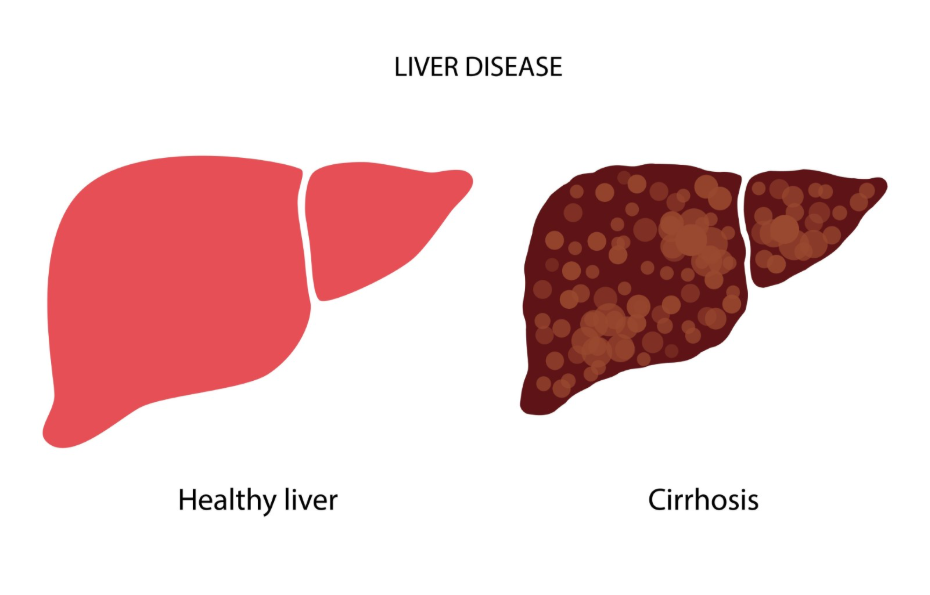
For individuals with viral hepatitis, antiviral medications are used to clear the infection or suppress the virus. In cases where cirrhosis is caused by non-alcoholic fatty liver disease, the focus shifts to metabolic management, including weight loss and blood sugar control. By addressing these triggers, the liver is given the best opportunity to use its remaining healthy cells to compensate for the existing damage. In the UK, identifying the cause through blood tests and scans is the first priority in any management plan.
The Role of Lifestyle Modifications and Abstinence
Lifestyle modifications, particularly the total avoidance of alcohol, are critical for managing cirrhosis because they remove toxic substances that cause direct injury to liver cells. Alcohol is a potent liver toxin that accelerates the scarring process regardless of what initially caused the cirrhosis. In the United Kingdom, total abstinence is usually advised for all patients with a diagnosis of cirrhosis to prevent the condition from worsening.
Smoking cessation is also encouraged, as tobacco use is linked to an increased risk of liver cancer and can interfere with the liver’s ability to process medications. Additionally, maintaining a healthy body weight through balanced nutrition reduces the metabolic stress on the organ. These changes create a protective environment that allows the liver to function more efficiently and reduces the likelihood of “decompensation,” where the liver suddenly fails to meet the body’s needs.
Nutritional Support and Managing Malnutrition
Nutritional support is a cornerstone of cirrhosis management because the liver plays a central role in processing nutrients, and scarring can lead to muscle wasting and vitamin deficiencies. Patients with cirrhosis often require a high-protein, high-calorie diet to prevent a condition called sarcopenia, where the body breaks down its own muscle tissue for energy. NICE clinical guidelines recommend that people with cirrhosis should receive specialist nutritional advice to ensure they are meeting their energy requirements and maintaining a healthy weight.
| Dietary Focus | Clinical Purpose | Recommended Action |
| Protein Intake | Prevents muscle wasting | Frequent small meals with lean protein. |
| Sodium (Salt) Restriction | Reduces fluid retention | Avoiding processed foods and added salt. |
| Small, Frequent Meals | Maintains energy levels | Eating 5 to 6 small snacks per day. |
| Late Night Snack | Prevents overnight fasting stress | Consuming complex carbohydrates before bed. |
Reducing salt intake is particularly important for patients who experience swelling in the legs or abdomen. High sodium levels cause the body to retain water, which places additional pressure on the liver’s circulatory system. Working with an NHS dietitian can help patients create a sustainable eating plan that supports liver health while managing these specific requirements.
Managing Clinical Complications
Medical treatments are frequently used to manage the side effects of cirrhosis, such as the accumulation of fluid in the abdomen (ascites) or increased pressure in the portal vein. Diuretics are commonly prescribed to help the kidneys remove excess fluid from the body, reducing the discomfort and risk of infection associated with ascites. If the fluid buildup is severe, a procedure called paracentesis may be used to physically drain the fluid.
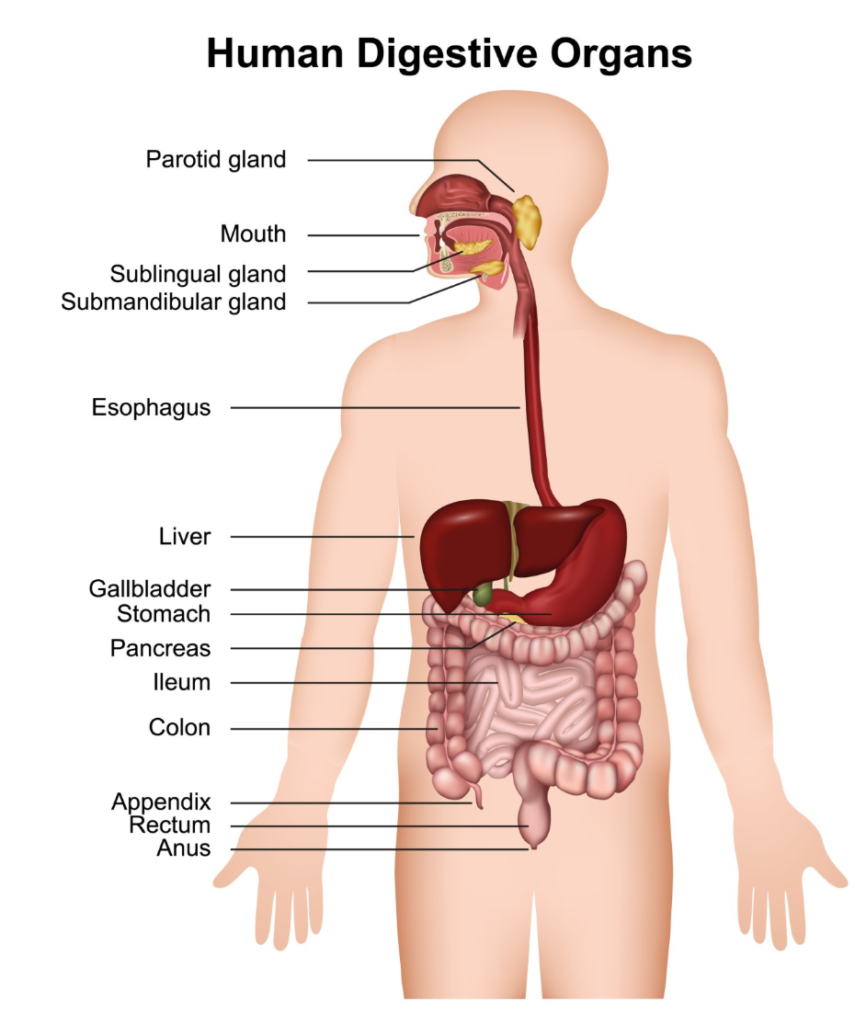
To manage the risk of internal bleeding from enlarged veins in the food pipe (varices), doctors may prescribe beta-blockers to lower the blood pressure within the liver. Regular endoscopic checks are performed to monitor these veins. If they are at high risk of bleeding, a specialist may perform a procedure to “band” the veins, which prevents them from rupturing. These interventions are vital for keeping a patient stable and preventing emergency hospital admissions.
Regular Screening and Long-Term Surveillance
Regular screening is an essential part of cirrhosis management because it allows for the early detection of liver cancer, which is a significant risk for anyone with advanced liver scarring. In the UK, patients with cirrhosis are typically invited for an ultrasound scan and a blood test every six months. The GOV.UK health pages indicate that consistent participation in liver cancer surveillance programmes is a key factor in improving long-term survival for people with cirrhosis.
This surveillance cycle ensures that if a tumour develops, it is caught when it is small and more likely to be treatable. Monitoring also includes regular blood tests to check the liver’s “synthetic function,” such as its ability to produce blood-clotting factors and albumin. By tracking these markers over time, the clinical team can adjust treatments and lifestyle advice to match the current state of the patient’s liver health.
Liver Transplantation as a Definitive Treatment
When cirrhosis reaches an advanced stage where the liver can no longer support the body’s needs despite medical treatment, a liver transplant may be considered. A transplant involves replacing the scarred liver with a healthy one from a donor. This is a significant surgical procedure and is generally reserved for patients with “end-stage” liver disease or those who have developed liver cancer within specific criteria.
In the UK, the transplant assessment process is very thorough, evaluating the patient’s physical strength, nutritional status, and ability to adhere to life-long medication. A transplant can effectively resolve the complications of cirrhosis, but it requires a significant commitment to long-term follow-up care. For those who are eligible, it offers a way to restore normal liver function when all other management strategies have been exhausted.
Conclusion
Managing cirrhosis requires a multi-faceted approach involving treating the underlying cause, maintaining a healthy lifestyle with total alcohol abstinence, and using medications to control complications. While the scarring is often permanent, these strategies are highly effective at slowing the disease’s progression and preserving liver function. Regular NHS screening for cancer and varices remains a vital part of long-term care to ensure patient safety. If you experience severe, sudden, or worsening symptoms, call 999 immediately.
Can cirrhosis be cured with medicine?
There is no medicine to cure the scarring itself, but medications can treat the causes and manage symptoms to stop it from getting worse.
Why do I need to stop drinking if my cirrhosis wasn’t caused by alcohol?
Alcohol is a direct toxin that stresses the liver and can cause new damage even if another condition caused the original scarring.
What is the best diet for someone with cirrhosis?
A high-protein, high-calorie diet with low salt is generally recommended to prevent muscle loss and fluid buildup.
Is it safe to exercise with cirrhosis?
Moderate exercise is usually beneficial, but you should discuss your routine with your specialist if you have advanced scarring or varices.
How often will I need a scan?
Most patients with cirrhosis in the UK are offered an ultrasound scan and blood tests every six months to screen for liver cancer.
Can a healthy liver grow back if I have cirrhosis?
The liver can grow new cells, but it cannot easily regrow its normal structure once thick bands of scar tissue have formed.
What are the signs that my cirrhosis is progressing?
Signs of progression include yellowing of the skin (jaundice), a swollen abdomen, or feeling increasingly confused or sleepy.
Authority Snapshot (E-E-A-T)
This article provides medically factual health education regarding the management of cirrhosis, strictly aligned with NHS and NICE clinical guidelines. The content is developed by a professional medical writing team and reviewed by Dr. Stefan Petrov, a UK-trained physician with experience across general medicine, surgery, and emergency care. All information follows current UK public health protocols to ensure accuracy and patient safety.



