




Treating fatty liver disease primarily involves addressing the underlying metabolic factors that cause fat to accumulate, as there is currently no single medication specifically licensed in the United Kingdom to cure the condition. The liver is a resilient organ with a high capacity for regeneration, meaning that identifying the disease in its early stages allows for management strategies that can effectively stop or even reverse the damage. In the UK healthcare system, treatment is usually managed by a GP unless the disease has progressed to more advanced stages, such as significant scarring or cirrhosis. The clinical focus remains on a “whole-body” approach, where the management of weight, diet, and physical activity serves as the primary medical intervention. By stabilising metabolic health, patients can significantly reduce the risk of long-term complications, including liver failure and liver cancer. UK clinical pathways emphasise the importance of gradual, sustainable changes rather than rapid “crash” diets, ensuring the liver is supported throughout the healing process.
What We’ll Discuss in This Article
- The primary role of weight loss and nutrition in liver recovery.
- Recommended physical activity levels to improve metabolic health.
- The management of underlying conditions like diabetes and high cholesterol.
- Specialist medical treatments, including pioglitazone and Vitamin E.
- Surgical and pharmacological options for weight management.
- The importance of regular monitoring and the role of the specialist team.
Lifestyle Modification as the Primary Treatment
The cornerstone of treatment for all stages of fatty liver disease is lifestyle modification, which focuses on reducing the total amount of fat stored in the liver through weight loss and dietary changes. The NHS states that there is currently no specific medicine for non-alcoholic fatty liver disease, but making healthy lifestyle choices can stop the condition from getting worse and may even reverse it.
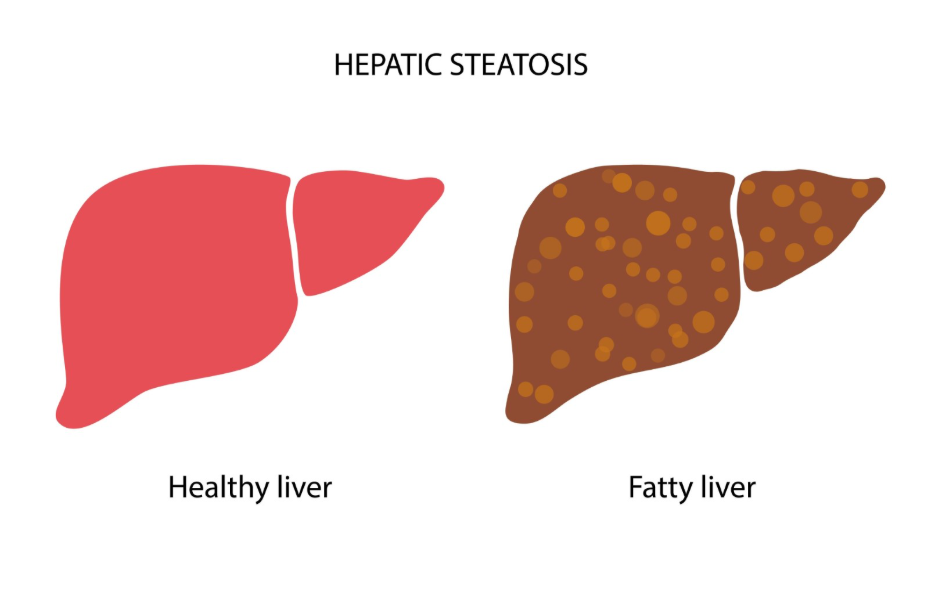
For individuals who are overweight or living with obesity, the clinical goal is often a weight loss of 5% to 10% of total body mass. Research has consistently shown that this level of weight loss is sufficient to remove fat from liver cells and reduce inflammation. In the UK, patients are advised to aim for a gradual weight loss of approximately 1 to 2 pounds (0.5 to 1 kg) per week. Rapid weight loss is discouraged, as it can occasionally trigger an inflammatory response that worsens liver function.
Nutritional Strategies and the Mediterranean Diet
Dietary management for fatty liver disease focuses on reducing calories and limiting the intake of refined sugars, particularly fructose, which is processed almost exclusively by the liver. In the United Kingdom, healthcare professionals frequently recommend a Mediterranean-style diet as the most effective nutritional pattern for liver health. This diet emphasises plant-based foods, healthy unsaturated fats, and lean proteins while minimising processed meat and saturated fats.
Key nutritional recommendations include:
- Reducing Sugar: Cutting back on sugary fizzy drinks, sweets, and processed snacks to lower insulin demand.
- Choosing Healthy Fats: Replacing butter and lard with unsaturated oils such as olive or rapeseed oil.
- Increasing Fibre: Basing meals on starchy carbohydrates like wholegrain bread, brown rice, or skins-on potatoes.
- Portion Control: Using the “plate method” where half the plate is filled with vegetables or salad.
By following these patterns, individuals can improve their insulin sensitivity, making it easier for the liver to export stored fat. NICE clinical guidelines highlight that a healthy, balanced diet is essential for all patients with fatty liver disease to prevent the progression to advanced fibrosis or cirrhosis.
Physical Activity and Exercise Requirements
Regular physical activity is a vital treatment component because it improves the body’s ability to use glucose and reduces liver fat even if weight loss is not immediately achieved. Exercise helps to build muscle mass, which acts as a “sink” for excess blood sugar, thereby reducing the metabolic pressure on the liver. The goal is to reduce the sedentary time spent sitting or lying down and incorporate more movement into daily life.
UK health standards recommend at least 150 minutes of moderate-intensity activity per week, such as brisk walking, cycling, or swimming. This should be spread across the week, ideally in sessions of 30 minutes or more. Resistance training, such as using weights or bodyweight exercises, is also beneficial as it specifically targets insulin resistance. For patients with advanced liver damage, the intensity of exercise should be discussed with a specialist, but for most people, any increase in physical activity is considered a positive step toward recovery.
Managing Underlying Metabolic Conditions
A critical part of treating fatty liver disease is the active management of associated health problems, such as type 2 diabetes, high blood pressure, and high cholesterol. These conditions often occur together and create a hostile metabolic environment that drives fat into the liver. By controlling these factors, the primary “fuel” for liver damage is removed.
| Condition | Common Treatment Approach | Impact on Liver |
| Type 2 Diabetes | Blood sugar monitoring and metformin | Reduces glucose available for fat production. |
| High Cholesterol | Statins and dietary fat reduction | Lowers systemic lipid levels and inflammation. |
| Hypertension | Blood pressure medication and salt reduction | Reduces general metabolic stress on the body. |
In the UK, it is safe for most patients with fatty liver disease to continue taking statins unless their liver enzymes significantly increase after starting the medication. The GOV.UK health pages indicate that the integrated management of cardiovascular risk factors is a key priority for preventing the long-term complications of chronic liver disease.
Specialist Medical and Surgical Interventions
While most patients are managed in primary care, those with more advanced liver damage (fibrosis or cirrhosis) may be referred to a hospital specialist for targeted medical treatments. In specific cases, a liver specialist may prescribe medications like pioglitazone or high-dose Vitamin E. These are not general treatments for everyone with a fatty liver but are reserved for patients with confirmed inflammation or significant scarring.
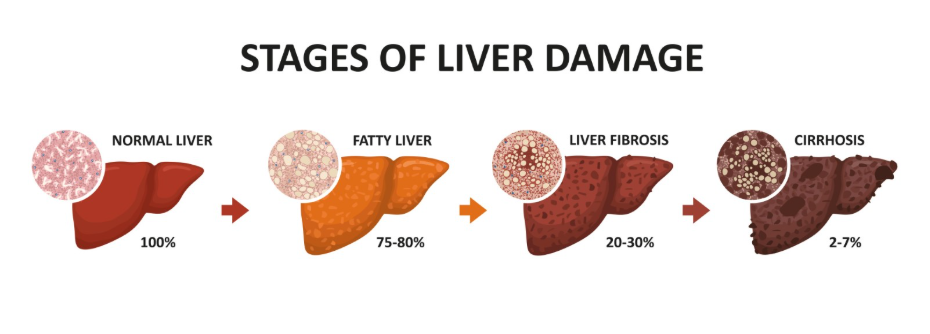
For individuals living with severe obesity where lifestyle changes alone have not been successful, a specialist may recommend weight-loss medicines or bariatric surgery. These interventions are highly effective at inducing significant and rapid weight loss, which can lead to a dramatic improvement in liver health. In the most severe cases of liver failure or cirrhosis, a liver transplant may be considered as the final treatment option to replace the damaged organ with a healthy one.
Conclusion
Treatments for fatty liver disease in the UK focus on lifestyle modifications such as weight loss, a balanced Mediterranean-style diet, and regular physical activity. Managing underlying conditions like type 2 diabetes is also essential for stopping the progression of the disease. While specialised medications and surgery are available for advanced cases, the foundation of care remains the sustainable management of metabolic health in a primary care setting. Consistent clinical monitoring through the NHS provides the best opportunity for tracking recovery and preventing long-term complications. If you experience severe, sudden, or worsening symptoms, call 999 immediately.
Is there a pill I can take to cure my fatty liver?
There is currently no single pill that cures fatty liver; treatment relies on lifestyle changes to address the underlying metabolic causes.
Why did my doctor suggest Vitamin E?
Specialists may sometimes recommend high-dose Vitamin E for certain patients with advanced inflammation to help protect liver cells.
Can I still take statins if I have a fatty liver?
Yes, most people can safely take statins, and they are often important for managing the cardiovascular risks associated with liver disease.
How much weight do I really need to lose?
Losing just 5% of your body weight can start to remove fat from the liver, while 10% loss can help reverse inflammation and early scarring.
Will my liver damage get worse if I don’t lose weight?
Without lifestyle changes, there is a risk that the fat will cause inflammation and eventually lead to permanent scarring or cirrhosis.
What is a Mediterranean diet?
It is a diet rich in vegetables, fruits, whole grains, nuts, and fish, with a focus on healthy plant oils like olive oil.
How often will my treatment be reviewed?
Most patients have an annual review with their GP to check their weight, blood pressure, and liver enzyme levels.
Authority Snapshot (E-E-A-T)
This article provides medically factual health education regarding the treatment of fatty liver disease, strictly aligned with NHS and NICE clinical guidelines. The content is developed by a professional medical writing team and reviewed by Dr. Stefan Petrov, a UK-trained physician with experience in general medicine, surgery, and emergency care. All information follows current UK public health standards to ensure accuracy and patient safety.



