




Regular exercise can significantly reduce the progression of fatty liver disease and lower the risk of developing cirrhosis by improving the body’s metabolic efficiency and reducing the amount of fat stored within liver cells. Physical activity acts as a natural intervention that enhances insulin sensitivity, allowing the liver to process glucose and fatty acids more effectively rather than storing them as lipids. In the United Kingdom, non-alcoholic fatty liver disease is a common condition often linked to sedentary lifestyles and metabolic syndrome. By engaging in consistent cardiovascular and resistance training, individuals can decrease systemic inflammation, which is a primary driver of liver scarring. Even in cases where weight loss is minimal, the internal physiological benefits of exercise help stabilise liver health and protect the organ from long-term structural damage.
What We’ll Discuss in This Article
- The biological mechanisms by which exercise reduces liver fat.
- How physical activity improves hepatic insulin sensitivity.
- The relationship between muscle mass and glucose regulation in the liver.
- The role of exercise in lowering systemic and liver-specific inflammation.
- Comparison of different exercise types for liver health benefits.
- NHS recommendations for physical activity to prevent liver scarring.
The Biological Impact of Exercise on Liver Fat
Exercise reduces the progression of fatty liver disease by increasing the oxidation of fatty acids and decreasing the synthesis of new fats within the liver tissue. When the body engages in physical activity, it requires a higher supply of energy, which prompts the liver to break down its triglyceride stores to fuel the working muscles. The NHS states that there is currently no specific medicine for non-alcoholic fatty liver disease, but making healthy lifestyle choices such as regular exercise can stop the condition from getting worse.
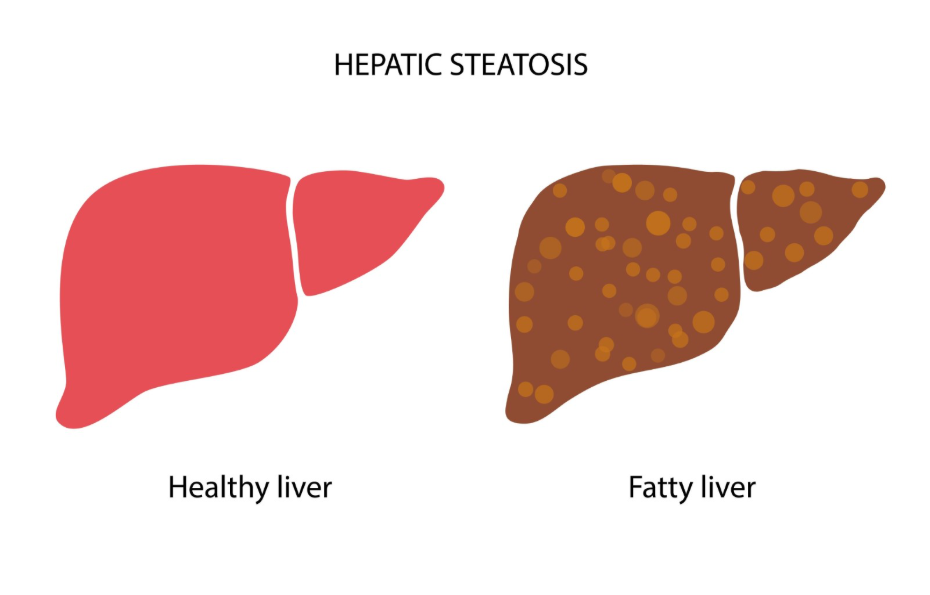
This process, known as beta-oxidation, helps to shrink the fat droplets that accumulate inside hepatocytes. By reducing the volume of fat, the liver is under less mechanical and oxidative stress. Over time, this metabolic shift helps to prevent the transition from simple fat accumulation to the more aggressive inflammatory stage known as steatohepatitis. In the UK, clinicians view regular movement as a cornerstone of management because it addresses the cellular environment of the liver directly.
Improving Hepatic Insulin Sensitivity
Physical activity is essential for reducing cirrhosis risk because it improves insulin sensitivity, which prevents the liver from being constantly signalled to manufacture and store fat. Insulin resistance is a state where the body’s cells do not respond effectively to insulin, causing the pancreas to produce more of the hormone. High insulin levels tell the liver to stop burning fat and instead begin a process called de novo lipogenesis, where it creates new fat from blood sugar.
Exercise helps to reverse this process by making muscle cells more receptive to insulin. As muscles become more efficient at absorbing glucose from the blood, insulin levels naturally decrease. This lower hormonal signal allows the liver to return to its healthy state of energy regulation. By breaking the cycle of insulin resistance, exercise removes the primary metabolic driver that pushes fatty liver disease toward the inflammatory and scarring stages.
Muscle Mass and Glucose Regulation
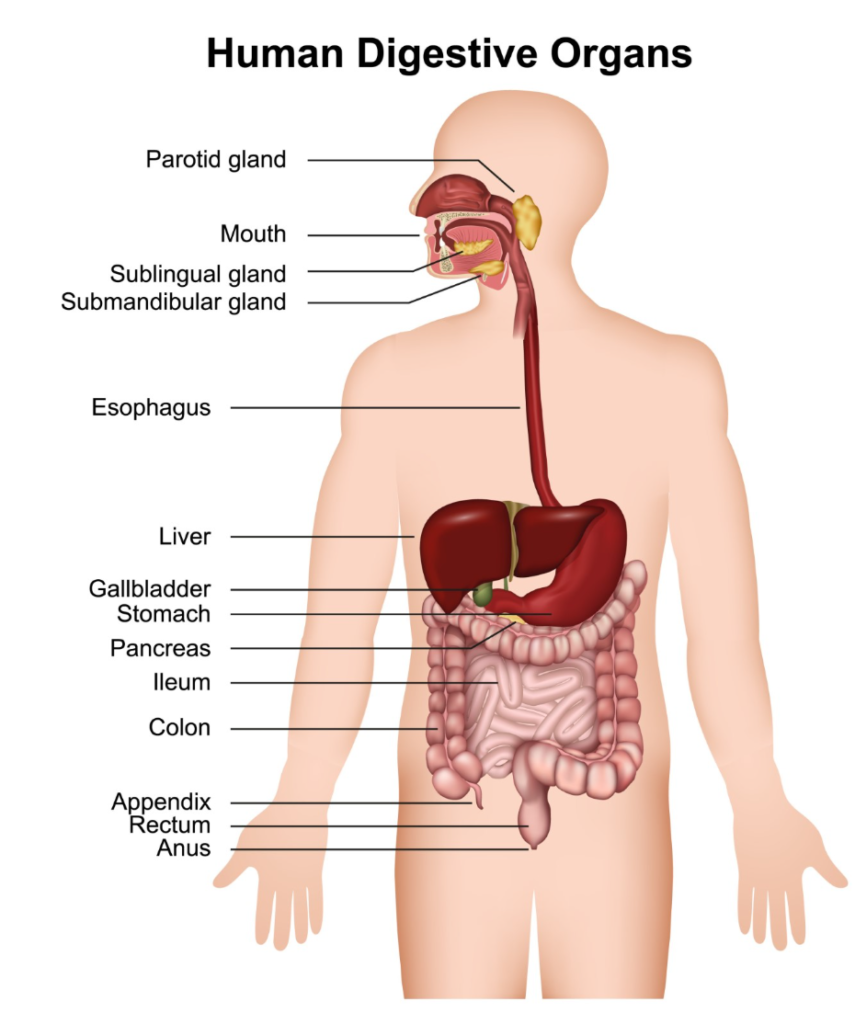
Building muscle mass through resistance training provides a significant protective effect for the liver by creating a larger “sink” for excess blood glucose. Muscles are the primary site for glucose disposal in the body, and having more active muscle tissue means the body can handle higher levels of sugar without the liver needing to intervene. This reduces the metabolic burden on the liver, particularly after meals.
In the UK, healthcare guidelines increasingly recognise that a combination of aerobic and strength-based exercises offers the best protection. Strength training not only builds muscle but also improves the quality of that muscle, making it more metabolically active. This improved glucose regulation is vital for preventing the “double hit” of fat and sugar that often leads to the rapid development of liver fibrosis in patients with metabolic syndrome.
Lowering Inflammation and Preventing Scarring
Consistent exercise lowers the risk of cirrhosis by reducing the systemic inflammation that triggers the formation of scar tissue in the liver. When liver cells are stressed by excess fat, they release inflammatory markers that activate stellate cells, which are responsible for producing collagen and creating scars. Physical activity stimulates the release of anti-inflammatory substances from the muscles, known as myokines, which help to neutralise this inflammatory environment.
By dampening the inflammatory response, exercise helps to slow down the rate at which fibrosis develops. NICE clinical guidelines highlight that regular physical activity is a key recommendation for people with non-alcoholic fatty liver disease to help reduce the risk of advanced liver scarring. While exercise cannot easily remove existing thick bands of scar tissue found in advanced cirrhosis, it is highly effective at preventing new scars from forming and keeping the liver in a functional, compensated state.
Comparison of Exercise Types for Liver Health
Different forms of exercise contribute to liver health in unique ways, and a balanced routine is generally considered the most effective approach in UK clinical practice. Aerobic exercise focuses on burning calories and improving heart health, while resistance training focuses on insulin sensitivity and muscle metabolism.
| Exercise Type | Primary Liver Benefit | Recommended Frequency |
| Aerobic (Walking, Swimming) | Direct fat burning and cardiovascular health | 150 minutes per week |
| Resistance (Weights, Bodyweight) | Improved insulin sensitivity and glucose storage | 2 to 3 sessions per week |
| High-Intensity Interval Training | Rapid metabolic improvement and fat reduction | 1 to 2 sessions per week |
Clinical studies have shown that both aerobic and resistance training are effective at reducing liver fat, even if a person does not lose a significant amount of weight on the scales. This “weight-neutral” benefit is important for patients to understand, as it means their efforts are improving their internal organ health regardless of the outward changes in their body shape.
Conclusion
Regular exercise reduces the progression of fatty liver disease and the risk of cirrhosis by improving metabolic function, enhancing insulin sensitivity, and lowering chronic inflammation. By engaging in both aerobic and resistance activities, individuals can help their liver process energy more efficiently and prevent the cellular damage that leads to permanent scarring. Consistent physical activity remains one of the most powerful tools for maintaining liver health and preventing long-term complications. If you experience severe, sudden, or worsening symptoms, call 999 immediately.
How much exercise do I need to help my liver?
The standard UK recommendation is at least 150 minutes of moderate-intensity activity per week, such as brisk walking.
Can exercise reverse liver scarring?
Exercise can help resolve inflammation and stop new scars from forming, but advanced cirrhosis is generally permanent.
Do I have to lose weight for exercise to help my liver?
No, exercise provides metabolic benefits and reduces liver fat even if your total body weight stays the same.
Is walking enough to prevent fatty liver progression?
Yes, brisk walking is an excellent form of aerobic exercise that can significantly improve your metabolic and liver health.
Why does building muscle help the liver?
Muscles absorb excess sugar from your blood, which prevents the liver from having to turn that sugar into fat.
Should I avoid high-intensity exercise if I have liver disease?
Most people can exercise safely, but you should discuss a new high-intensity routine with your GP if you have advanced liver damage.
How long does it take for exercise to improve liver fat?
Some studies suggest that liver fat can begin to decrease after just a few weeks of consistent physical activity.
Authority Snapshot (E-E-A-T)
This article provides medically factual health education regarding the impact of exercise on liver disease, strictly aligned with NHS and NICE clinical guidelines. The content is developed by a professional medical writing team and reviewed by Dr. Stefan Petrov, a UK-trained physician with experience in general medicine, surgery, and emergency care. All information follows current UK public health protocols to ensure accuracy and patient safety.



