Dietary choices play a significant role in influencing the risk of developing colon polyps and diverticulitis by affecting the internal pressure of the bowel and the health of the intestinal lining. The large intestine relies on a consistent intake of specific nutrients to move waste efficiently and maintain the cellular integrity of its walls. While colon polyps are cellular overgrowths that can develop into cancer over time, diverticulitis is an inflammatory condition affecting small pouches in the colon wall; both are heavily influenced by long-term eating patterns. In the United Kingdom, healthcare professionals emphasise a balanced diet high in fibre and low in processed meats to support gastrointestinal stability. By managing what is ingested, individuals can directly impact the mechanical and chemical environment of the colon, potentially reducing the likelihood of structural protrusions or abnormal tissue growth. Understanding the biological link between nutrition and bowel health is essential for long-term preventative care.
What We’ll Discuss in This Article
- The role of dietary fibre in regulating internal bowel pressure.
- How red and processed meats influence the risk of colon polyps.
- The importance of hydration for maintaining soft stools and colon health.
- Impact of a high-fat, low-fibre diet on the formation of diverticula.
- Protective effects of fruits, vegetables, and whole grains on the bowel lining.
- UK clinical guidance for dietary habits to support long-term bowel stability.
The Impact of Fibre on Diverticulitis Risk
Dietary fibre is a primary factor in reducing the risk of diverticulitis because it increases stool bulk and lowers the internal pressure required to move waste through the colon. Diverticulitis occurs when small pouches in the colon wall, known as diverticula, become inflamed or infected. These pouches often form due to high pressure within the bowel, typically caused by constipation or straining. The NHS states that eating a high-fibre diet is the best way to prevent diverticular disease and diverticulitis from developing.
When the diet lacks sufficient fibre, stools become small and hard, forcing the colon to contract more vigorously to move them along. This intense muscular effort creates weak spots in the bowel wall where diverticula can bulge outward. By consuming adequate fibre, stools remain soft and pass more easily, which minimises the mechanical stress on the colon’s muscular layer. In the United Kingdom, public health advice suggests that adults should aim for at least 30g of fibre a day to maintain a healthy digestive system.
Red and Processed Meats and Polyp Formation
The consumption of red and processed meats is closely linked to an increased risk of developing colon polyps because these foods can cause inflammation and DNA damage within the cells of the bowel lining. Polyps are protrusions of excess tissue that grow inward from the intestinal mucosa. NICE clinical guidelines for colorectal cancer prevention highlight that reducing the intake of red and processed meats can lower the risk of developing bowel growths and cancer.
Processed meats, such as bacon, ham, and sausages, often contain nitrates and other preservatives that produce carcinogenic compounds during digestion. These chemicals can irritate the delicate lining of the colon, leading to mutations in the genes that control cell growth. If these mutations persist, a cluster of cells may grow into a polyp. To manage this risk, UK healthcare professionals recommend limiting red meat intake to no more than 70g per day and avoiding processed varieties where possible. Replacing these with lean proteins like fish, beans, or lentils provides the body with essential nutrients without the associated chemical stress on the large intestine.
Hydration and the Clearance of Bilirubin and Waste
Staying well-hydrated is essential for supporting the function of fibre in the colon and ensuring that waste products, including metabolic byproducts like bilirubin, are moved through the system effectively. Fibre requires water to swell and create the bulk needed for healthy bowel movements. Without sufficient fluid, high fibre intake can actually worsen constipation, thereby increasing the pressure that leads to diverticula.
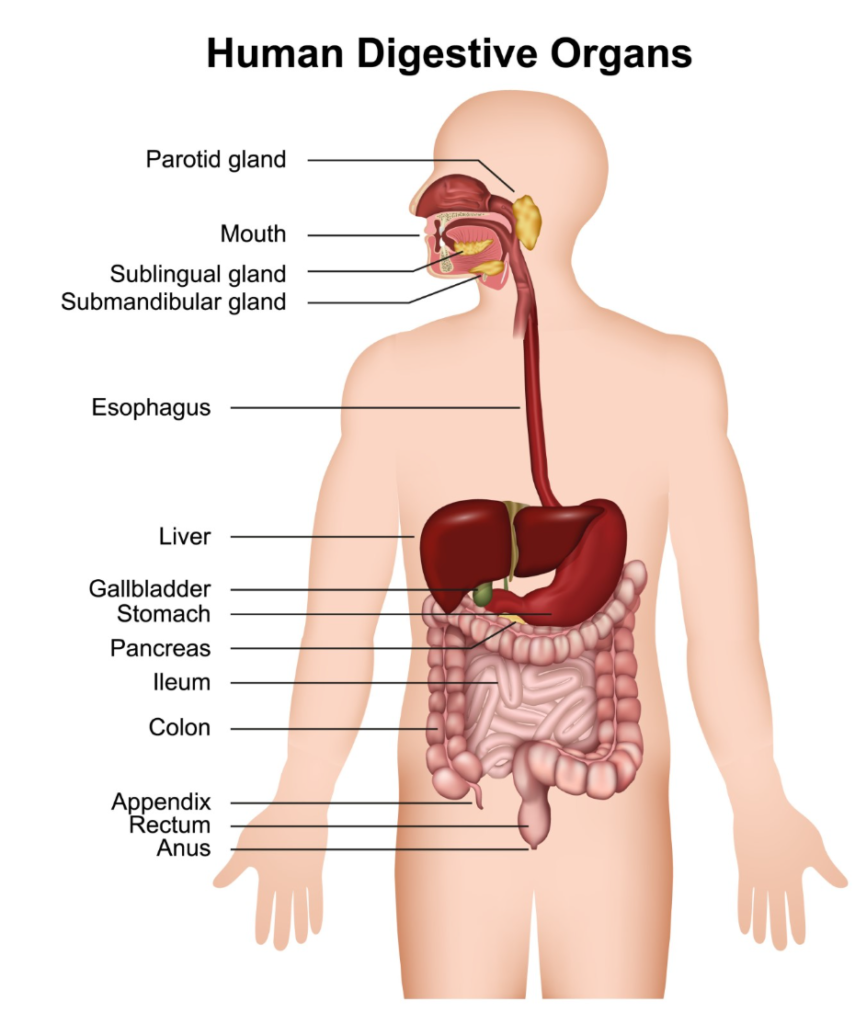
A well-hydrated colon also ensures that the mucosal lining remains lubricated and protected from irritation. While jaundice is a separate clinical sign involving the liver’s processing of bilirubin, the final excretion of waste occurs in the bowel. A sluggish digestive system caused by dehydration allows waste to sit in the colon for longer periods, which can contribute to localised inflammation. UK health guidelines recommend drinking 6 to 8 glasses of fluid daily to ensure that the bowel remains active and that the risk of both inflammatory flare-ups and cellular irritation is minimised.
Comparison of Dietary Factors in Bowel Health
Different dietary components affect the risks of polyps and diverticulitis in distinct ways, although many healthy habits benefit both conditions simultaneously. Understanding how specific food groups interact with the bowel helps in making informed nutritional choices.
| Dietary Factor | Influence on Polyps | Influence on Diverticulitis |
| Dietary Fibre | Reduces contact time between toxins and lining. | Lowers bowel pressure and prevents constipation. |
| Processed Meats | High risk; contains carcinogenic preservatives. | Indirect risk; often replaces high-fibre foods. |
| Fruit & Vegetables | High in antioxidants that protect cell DNA. | Provides essential bulk for smooth waste passage. |
| Animal Fats | May promote the growth of pro-inflammatory bacteria. | Can slow down digestion and harden stools. |
This table illustrates that a high-fibre, plant-based approach provides a double benefit. It addresses the mechanical risk of diverticula formation while simultaneously providing the chemical protection needed to prevent the cellular overgrowth associated with polyps. In the UK, a holistic approach to nutrition is encouraged to manage the structural health of the entire digestive tract.
Protective Effects of Plant-Based Nutrients
A diet rich in fruits, vegetables, and whole grains provides essential antioxidants and phytochemicals that help maintain the stability of the bowel lining and prevent the development of polyps. These plant-based nutrients help neutralise oxidative stress, which is a major cause of the genetic mutations that lead to tissue overgrowth.
Whole grains, such as brown rice and oats, not only provide fibre but also contain specific compounds that support the health of colonocytes, the cells that line the colon. The GOV.UK health pages indicate that a diet rich in whole grains and vegetables is a cornerstone of bowel health and cancer prevention strategies in the UK. Additionally, plant-based diets encourage a diverse gut microbiome. Healthy bacteria in the gut ferment fibre into short-chain fatty acids, which nourish the colon lining and reduce the overall levels of inflammation in the bowel wall. This supportive internal environment is less likely to develop the chronic inflammation that can lead to diverticular complications.
Managing Weight and Metabolic Risk
The influence of diet on bowel health also extends to weight management, as obesity is a known risk factor for both diverticulitis flare-ups and the development of large colon polyps. Excess body fat, particularly around the abdomen, creates a state of chronic low-grade inflammation in the body, which can affect the reactivity of the intestinal tissues.
High-calorie diets that are rich in sugar and unhealthy fats contribute to insulin resistance, which has been linked to increased cell proliferation in the colon. In the United Kingdom, clinicians advise that maintaining a healthy Body Mass Index (BMI) through a balanced diet and regular exercise is an important part of gastrointestinal health. By avoiding metabolic stress, individuals can support the natural regulation of cell growth in the bowel and reduce the inflammatory pressure that leads to the infection of diverticula. This comprehensive lifestyle approach ensures that the colon is protected from both internal chemical triggers and external mechanical pressures.
Conclusion
Diet significantly influences the risk of polyps and diverticulitis through its impact on bowel pressure, cellular stability, and systemic inflammation. A high-fibre diet remains the primary recommendation in the UK for preventing both conditions, as it supports smooth waste passage and protects the intestinal lining. Reducing the intake of processed meats and maintaining healthy hydration further lowers the risk of structural and cellular bowel issues. Adopting these nutritional habits is an essential part of maintaining a healthy large intestine throughout life. If you experience severe, sudden, or worsening symptoms, call 999 immediately.
Can eating a healthy diet get rid of polyps I already have?
No, a healthy diet can help prevent new polyps from forming, but existing polyps must be physically removed by a doctor during a colonoscopy.
Is there a difference between soluble and insoluble fibre for bowel health?
Both are important; insoluble fibre adds bulk to help prevent diverticulitis, while soluble fibre supports the gut bacteria that keep the colon lining healthy.
Why does red meat increase the risk of polyps?
Compounds in red meat and chemicals used in processing can damage the DNA of the cells in your colon, leading to abnormal growth.
Can I prevent diverticulitis flare-ups by avoiding nuts and seeds?
Current UK medical guidance states there is no evidence that nuts or seeds cause flare-ups, and they are actually an excellent source of fibre.
How much fibre should I add to my diet at once?
You should increase fibre gradually and drink plenty of water to avoid bloating or gas while your digestive system adjusts.
Does sugar affect the risk of bowel conditions?
While not a direct cause, high-sugar diets often lack fibre and can lead to weight gain, which is a risk factor for both polyps and diverticulitis.
Is fruit juice as good as whole fruit for the colon?
No, whole fruit is much better because it contains the structural fibre that is removed during the juicing process.
Authority Snapshot (E-E-A-T)
This article provides medically factual health education regarding the influence of diet on polyps and diverticulitis, strictly aligned with NHS and NICE clinical guidelines. The content is developed by a professional medical writing team and reviewed by Dr. Rebecca Fernandez, a UK-trained physician with extensive experience in internal medicine, general surgery, and emergency care. All information follows current UK public health protocols to ensure clinical accuracy and patient safety.