




Diverticulitis symptoms typically manifest as acute abdominal pain and systemic signs of infection when small pouches in the colon wall become inflamed or obstructed. Many individuals have small, bulging pouches in the lining of their large intestine, a condition known as diverticulosis, which often exists without causing any physical discomfort. However, diverticulitis occurs when these pouches sustain a small tear or become blocked by waste, leading to a rapid bacterial overgrowth and localised inflammation. In the United Kingdom, healthcare professionals prioritise the identification of these symptoms to prevent the progression of the condition into more serious complications such as abscesses or bowel perforations. Recognising the shift from asymptomatic pouches to an active inflammatory state is essential for ensuring that patients receive timely clinical intervention. By understanding the common indicators of a flare-up, such as changes in bowel habits and persistent discomfort, individuals can work with their healthcare providers to manage the condition effectively. The UK healthcare system uses a combination of clinical assessment and diagnostic imaging to confirm the presence of diverticulitis and provide appropriate supportive care.
What We’ll Discuss in This Article
- The characteristic nature of abdominal pain in diverticulitis episodes.
- Systemic indicators of infection, including fever and general malaise.
- How digestive disruptions like constipation or diarrhoea signal inflammation.
- The clinical significance of nausea and loss of appetite during a flare-up.
- Identifying red-flag symptoms that suggest complicated bowel issues.
- UK clinical pathways for the assessment of suspected diverticulitis.
Characterising Abdominal Pain and Discomfort
The most common symptom indicating that diverticulitis is developing is persistent and often severe pain in the lower left side of the abdomen. While the location of the pain can occasionally vary depending on an individual’s anatomy, it most frequently occurs in the sigmoid colon, which is situated in the lower left quadrant. The NHS states that diverticulitis symptoms include constant, more severe abdominal pain, high temperature, and a general feeling of being unwell.
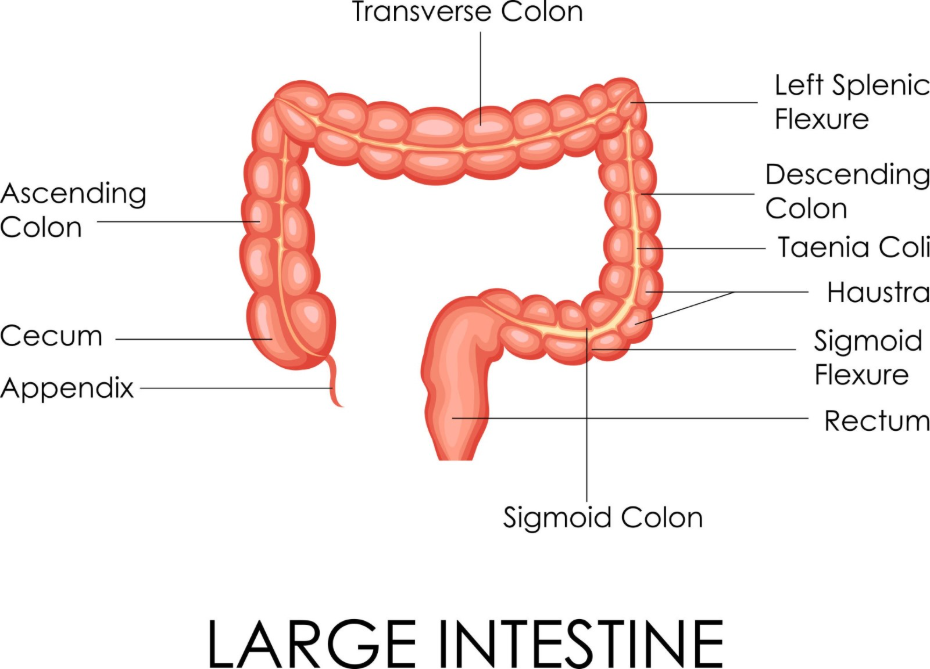
Unlike the intermittent cramping associated with trapped wind or mild indigestion, the pain of diverticulitis tends to be constant and may worsen over several days as the inflammation intensifies. It is often described as a sharp or “stabbing” sensation that makes physical movement uncomfortable. In some cases, the area may feel very tender to the touch, and even light pressure can cause a significant increase in discomfort. UK clinicians use the location and nature of this pain as a primary diagnostic indicator during a physical examination to differentiate diverticulitis from other gastrointestinal issues.
Systemic Signs of Infection and Inflammation
As diverticulitis develops, the body often triggers a systemic inflammatory response, resulting in a high temperature and a general sense of being physically unwell. A fever is a sign that the immune system is actively fighting a bacterial infection within the diverticular pouches. Individuals may also experience shivers or chills as their body temperature fluctuates in response to the localised inflammation.
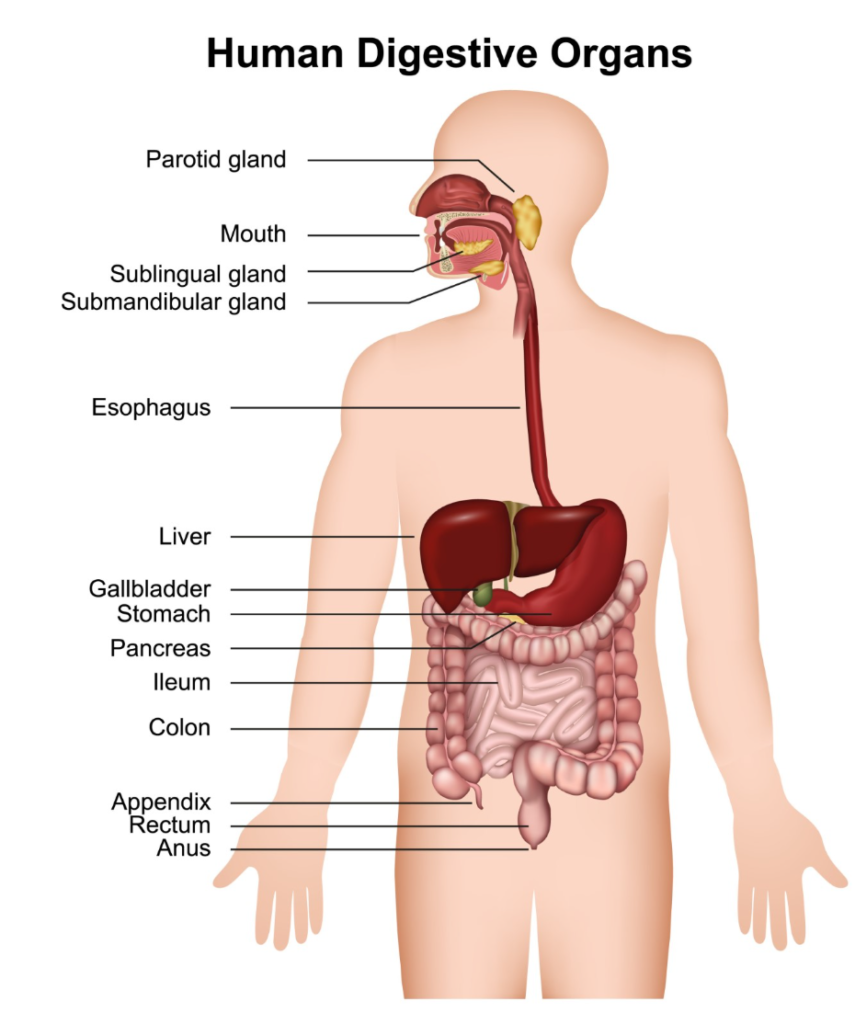
Alongside a fever, many people report feeling unusually tired or lethargic, a state often referred to as malaise. This occurs because the body is diverting energy toward managing the infectious process in the bowel. NICE clinical guidelines for diverticular disease management emphasise that the presence of systemic symptoms like fever and a raised heart rate are key markers for distinguishing acute diverticulitis from non-inflammatory diverticular disease. In the United Kingdom, these systemic signs are treated with clinical urgency, as they suggest that the infection is no longer contained within a single pouch and may be affecting the surrounding tissue.
Digestive Disruptions and Bowel Habit Changes
A sudden and unexplained change in bowel habits, such as significant constipation or, less commonly, diarrhoea, often accompanies the development of diverticulitis. The inflammation in the colon wall can cause the bowel to become narrow or sensitive, which disrupts the normal rhythmic contractions needed to move waste through the system.
| Symptom | Clinical Explanation | Common Impact |
| Constipation | Swelling narrows the bowel lumen, making waste difficult to pass. | Infrequent, hard stools and straining. |
| Diarrhoea | The inflamed lining becomes reactive and secretes excess fluid. | Frequent, loose, or watery stools. |
| Bloating | Trapped gas and waste due to slowed bowel motility. | Sensation of fullness and abdominal distension. |
While constipation is the more frequent finding in Western populations, the irritation of the bowel lining can sometimes have the opposite effect, leading to urgency and loose stools. These changes are typically more persistent than a standard “stomach bug” and are usually paired with localised pain. In UK clinical practice, monitoring these changes in waste passage is a vital part of assessing the severity of the flare-up and determining whether the bowel requires a period of rest.
Nausea, Vomiting, and Loss of Appetite
Individuals developing diverticulitis frequently experience nausea and a significant loss of appetite as the digestive system slows down in response to the localised infection. When a portion of the colon is inflamed, the body’s natural response is to discourage the intake of more food, which would otherwise add more pressure to the affected area.
In more severe cases, actual vomiting may occur, which can be a sign that the inflammation is causing a partial obstruction or that the infection is becoming more systemic. Persistent nausea can make it difficult to stay hydrated, which is a concern during an inflammatory episode. UK healthcare providers prioritise the management of these symptoms to ensure the patient remains stable while the primary infection is being treated. A complete inability to tolerate fluids or food is often a reason for hospital-based care in the UK to ensure that the patient receives necessary hydration and intravenous support.
Identifying Red-Flag and Complicated Symptoms
While most cases of diverticulitis are uncomplicated, it is essential to recognise red-flag symptoms that suggest a more serious complication, such as a perforated bowel or an abscess. Rectal bleeding, although less common in diverticulitis than in other bowel conditions, can occur if an inflamed pouch erodes into a nearby blood vessel.
More concerning signs include a rigid or “board-like” abdomen, which can indicate peritonitis—a widespread infection caused by a burst pouch. The GOV.UK health pages indicate that identifying red-flag symptoms such as severe, worsening pain or blood in the stool is vital for the early detection of complicated diverticular disease. In the United Kingdom, these advanced symptoms are treated as medical emergencies. Clinicians remain vigilant for signs that the localised infection is spreading, as this requires immediate surgical or radiological intervention to protect the integrity of the abdominal cavity and prevent systemic illness.
UK Clinical Assessment and Diagnostic Pathways
The diagnosis of diverticulitis in the United Kingdom follows a structured clinical pathway that typically involves a physical examination, blood tests to check for markers of infection, and diagnostic imaging. During the initial assessment, a clinician will check for tenderness in the lower left abdomen and ask detailed questions about the onset and nature of the pain.
Blood tests, such as a Full Blood Count (FBC) and C-reactive Protein (CRP), are used to measure the level of inflammation in the body. If the symptoms are severe or do not improve with conservative care, a CT scan is usually the preferred method for confirming the diagnosis. The CT scan can provide a detailed view of the colon wall, showing the inflamed pouches and identifying any complications such as localised collections of pus. This integrated approach ensures that the severity of the diverticulitis is accurately staged, allowing for a tailored management plan that may include antibiotics, bowel rest, or, in complex cases, hospital admission.
Conclusion
Symptoms of developing diverticulitis primarily include persistent pain in the lower left abdomen, fever, and significant changes in bowel habits. These indicators reflect an acute inflammatory or infectious process within the pouches of the colon that requires medical assessment. In the UK, a combination of clinical examination and diagnostic tests is used to ensure the condition is managed effectively and complications are prevented. Recognising these signs early allows for more conservative treatment and a faster return to normal bowel health. If you experience severe, sudden, or worsening symptoms, call 999 immediately.
Is diverticulitis pain always on the left side?
In the UK, it is most common on the lower left, but in some people, particularly those of Asian descent, the pain can occur on the right side of the abdomen.
Can diverticulitis cause lower back pain?
Yes, because the colon sits near the back of the abdominal cavity, the inflammation can sometimes cause pain that feels like it is radiating to the lower back.
What should I eat if I think a flare-up is starting?
UK clinical advice often recommends a temporary clear fluid diet to rest the bowel until the acute pain and fever begin to subside.
Why do I feel so tired during a flare-up?
Your body is using a significant amount of energy to fight the bacterial infection and manage the inflammation in your bowel.
Can diverticulitis cause blood in my urine?
While rare, if the inflamed colon is sitting against the bladder, it can cause irritation that leads to urinary symptoms, but this requires a medical check.
Will my symptoms go away without antibiotics?
Mild, uncomplicated cases can sometimes resolve with bowel rest and fluids alone, but your doctor will decide if antibiotics are necessary based on your tests.
How can I tell the difference between diverticulitis and a stomach bug?
Diverticulitis pain is usually constant and localised to one spot, whereas a stomach bug often involves more generalised cramping and frequent vomiting.
Authority Snapshot (E-E-A-T)
This article provides medically factual health education regarding the symptoms of developing diverticulitis, strictly aligned with NHS and NICE clinical guidelines. The content is developed by a professional medical writing team and reviewed by Dr. Rebecca Fernandez, a UK-trained physician with extensive experience in internal medicine, general surgery, and emergency care. All information follows current UK public health protocols to ensure clinical accuracy and patient safety.



