




The identification of high-risk polyps does not directly increase the biological risk of developing diverticulitis, but it necessitates a more rigorous and structured monitoring of the colon which often leads to the proactive management of diverticular issues. While colon polyps involve abnormal cellular growth on the inner lining of the bowel, diverticulitis is an inflammatory condition affecting small pouches that bulge outward from the colon wall. Although these conditions arise from different pathological processes, they are frequently discovered together because they share common demographic risk factors such as advancing age and Western dietary patterns. In the United Kingdom, healthcare professionals manage high-risk polyps through specific surveillance programmes designed to prevent malignancy, while diverticular disease is managed based on the presence of inflammatory symptoms. However, because both conditions can cause similar symptoms like rectal bleeding or changes in bowel habits, the presence of high-risk polyps often ensures a patient remains under closer clinical observation. This increased surveillance allows for the simultaneous monitoring of the structural integrity of the colon wall and the cellular health of the lining. Understanding the distinct yet overlapping management of these issues is essential for maintaining long-term gastrointestinal health in the UK.
What We’ll Discuss in This Article
- The distinct biological origins of polyps and diverticular pouches.
- How high-risk polyps determine colonoscopy surveillance intervals.
- The impact of regular bowel checks on identifying diverticular changes.
- Shared lifestyle factors that influence both polyps and diverticulitis.
- Differentiating symptoms between cellular overgrowth and wall inflammation.
- UK clinical guidelines for integrated long-term bowel monitoring.
Distinct Pathologies of Polyps and Diverticulitis
High-risk polyps and diverticulitis are separate clinical entities that affect different layers of the bowel wall and require distinct diagnostic and treatment approaches. A colon polyp is a cluster of cells that grows on the mucosa, which is the innermost lining of the intestine, whereas diverticula are pockets created when that lining pushes through weakened areas of the outer muscular wall. The NHS states that bowel polyps are small growths on the inner lining of the large intestine, while diverticular disease and diverticulitis are related to small bulges in the lining of the large intestine.
Because polyps are a failure of regulated cell division and diverticula are a failure of the mechanical strength of the bowel wall, the presence of one does not biologically trigger the other. However, high-risk polyps specifically large adenomas or those with certain cellular features indicate a higher potential for future growths, which dictates how often a patient must return for a colonoscopy. During these surveillance procedures, the clinician also inspects the colon for diverticula. While the polyps are the primary reason for the repeat check, the presence of diverticula is recorded to help manage the patient’s risk of future inflammation. This means that while the biological risk of diverticulitis is not increased by polyps, the clinical vigilance for it often is.
Impact of Polyp Surveillance on Diverticular Management
The rigorous monitoring required for high-risk polyps provides a frequent opportunity for clinicians to assess the state of diverticular disease and intervene before a structural issue becomes an acute infection. In the United Kingdom, patients who have had high-risk polyps removed are placed on a surveillance schedule that may involve a colonoscopy every one, three, or five years depending on the pathology results.
NICE clinical guidelines for colorectal cancer prevention indicate that the surveillance interval is determined by the size, number, and histological type of the polyps removed. During these frequent visual inspections, the endoscopist can see if existing diverticula are becoming more numerous or if there are signs of chronic irritation in the pouches. This allows for a more proactive discussion about dietary fibre and hydration than might occur for a patient not under regular surveillance. Therefore, the “need” for monitoring is driven by the cellular risk of the polyps, but the “benefit” extends to the early identification of diverticular complications, ensuring that the entire structure of the colon is regularly reviewed by a specialist.
Shared Risk Factors and Lifestyle Monitoring
The management of high-risk polyps and the prevention of diverticulitis both rely on the same lifestyle interventions, meaning that monitoring for one condition naturally reinforces the healthy habits required for the other. Both conditions are influenced by a diet low in fibre and high in red or processed meats, as well as factors like obesity and physical inactivity.
| Feature | High-Risk Polyps | Diverticulitis |
| Primary Danger | Potential for cellular malignancy. | Risk of acute infection/perforation. |
| Dietary Impact | Fibre reduces contact with toxins. | Fibre reduces internal bowel pressure. |
| Detection | Primarily via visual screening. | Primarily via symptoms or imaging. |
| UK Management | Surgical removal (polypectomy). | Antibiotics or dietary adjustment. |
In the UK, when a patient is identified as having high-risk polyps, they are often given dietary advice to reduce the likelihood of recurrence. This advice, which focuses on increasing whole grains, fruits, and vegetables, is identical to the primary recommendation for preventing diverticulitis flare-ups. NICE clinical guidelines for diverticular disease management identify a high-fibre diet as a cornerstone of preventing the progression of diverticular disease to acute diverticulitis. By following the monitoring and lifestyle plan for polyps, the patient is simultaneously lowering their risk profile for diverticular complications. The surveillance programme acts as a regular checkpoint for these lifestyle modifications, supporting the health of both the mucosal lining and the muscular wall.
Differentiating Symptoms During Long-term Monitoring
Closer monitoring of high-risk polyps is essential because it helps clinicians distinguish between the subtle symptoms of new growths and the acute signs of diverticular inflammation. Both conditions can cause rectal bleeding, which can lead to diagnostic confusion if a patient is not under regular review. A new polyp may bleed slowly and intermittently, often not visible to the naked eye, while diverticulitis bleeding can be more sudden.
If a patient is on a high-risk surveillance programme, a clinician has a recent “map” of their colon. If that patient then experiences a flare-up of abdominal pain or a change in bowel habits, the clinician can more easily determine if the symptoms are related to the known diverticula or if a new growth has appeared. This reduces the time to diagnosis for both conditions. Regular monitoring ensures that “silent” polyps are not missed because their symptoms were incorrectly blamed on diverticular disease. In the UK, this integrated diagnostic awareness is a key part of outpatient gastrointestinal care, ensuring that cellular and structural issues are treated with appropriate clinical focus.
Preparing for Surveillance Procedures
Surveillance for high-risk polyps requires the same bowel preparation as a standard diagnostic colonoscopy, which provides a completely clear view of the entire large intestine for the clinician. This preparation involves taking strong laxatives to ensure that no waste remains in the colon.
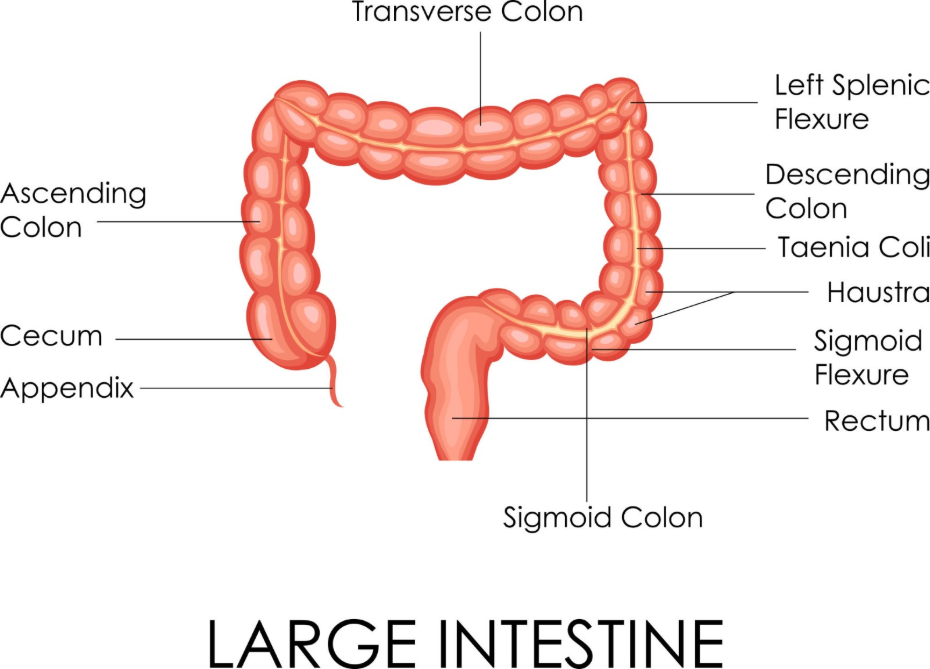
For patients with diverticulosis, this clear view is particularly important because diverticula can sometimes hide small polyps within their openings or behind the folds they create in the colon wall. The GOV.UK health pages indicate that following bowel preparation instructions correctly is vital for the success of a colonoscopy and the accurate detection of all bowel abnormalities. By having a clean colon during their polyp check, the patient ensures that the endoscopist can also accurately assess the number and health of the diverticular pouches. This thoroughness is only possible during the scheduled surveillance windows, highlighting how the management of one condition directly supports the safety and monitoring of the other.
UK Clinical Pathways for Integrated Care
The United Kingdom uses a structured clinical pathway that transitions patients between high-risk polyp surveillance and general bowel care to ensure that all aspects of their gastrointestinal health are addressed. Once a patient has had high-risk polyps removed, their care is typically managed by a hospital-based colorectal team.
This team is responsible for:
- Risk Stratification: Deciding how often the colon must be visually checked.
- Pathology Review: Analysing the cells of removed polyps to predict future risk.
- Symptom Management: Investigating any new pain or bleeding between checks.
- Lifestyle Guidance: Providing evidence-based advice on fibre and weight.
Once a patient has completed several clear surveillance cycles, they may be discharged back to the national bowel screening programme, which uses home-based stool tests. However, the presence of diverticular disease may be a factor in keeping a patient under hospital review for longer if they experience frequent flare-ups. This coordinated approach ensures that the patient does not “fall through the gaps” and that the high-risk nature of their previous polyps remains a part of their clinical history. By integrating the monitoring of both cellular and structural risks, the UK healthcare system provides a comprehensive long-term safety net for the large intestine.
Conclusion
High-risk polyps do not biologically increase the risk of diverticulitis, but the rigorous colonoscopy surveillance they require ensures that the structural health of the bowel is monitored more frequently. Both conditions are influenced by similar lifestyle factors, making the dietary advice for polyp prevention highly beneficial for diverticular health. In the UK, regular surveillance helps clinicians distinguish between different causes of bowel symptoms and ensures that any complications are identified early. Adhering to the scheduled follow-up checks is the most effective way to manage the risks associated with both the colon lining and its wall. If you experience severe, sudden, or worsening symptoms, call 999 immediately.
Why do I need a colonoscopy every year if my polyps were removed?
If your polyps were large or had high-risk cellular features, the UK guidelines require more frequent checks to ensure no new growths develop.
Can diverticulitis make it harder for the doctor to see my polyps?
Yes, severe diverticular disease can cause the bowel to become narrowed or loopy, but UK endoscopists use specialised techniques to navigate these areas safely.
If my polyps were “low-risk,” do I still need diverticulitis monitoring?
Your diverticular disease is managed based on your symptoms, while your polyp checks will follow the standard screening or surveillance intervals.
Does a high-fibre diet prevent polyps from coming back?
A high-fibre diet is recommended in the UK for general bowel health and may reduce the risk of new polyps forming over time.
Can I have diverticulitis surgery during my polyp check?
No; a colonoscopy is a diagnostic and minor surgical procedure for polyps, whereas surgery for diverticulitis is a major operation performed separately.
Will my surveillance schedule change if I get diverticulitis?
Not usually; your polyp checks stay on their risk-based schedule, although a check-up might be postponed if you are having an active, painful flare-up.
Is there a blood test that can monitor both conditions?
No; while blood tests can check for inflammation or anaemia, a visual check like a colonoscopy is the only way to monitor both polyps and diverticula directly.
Authority Snapshot (E-E-A-T)
This article provides medically factual health education regarding the relationship between high-risk polyps and diverticulitis monitoring, strictly aligned with NHS and NICE clinical guidelines. The content is developed by a professional medical writing team and reviewed by Dr. Stefan Petrov, a UK-trained physician with extensive experience in emergency care, surgery, and general medicine. All information follows current UK public health protocols to ensure clinical accuracy and patient safety.



