




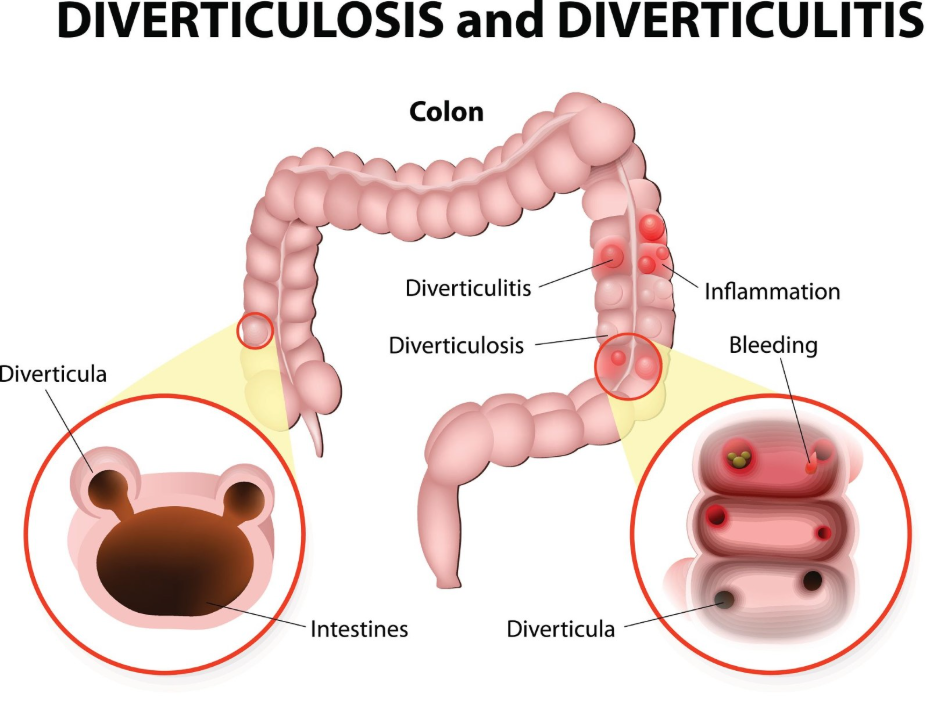
Treatments for managing an acute diverticulitis attack focus on resolving infection and reducing inflammation in the colon through a combination of bowel rest, dietary modifications, and clinical monitoring. Diverticulitis occurs when small pouches in the colon wall, known as diverticula, become inflamed or infected, often causing sudden abdominal pain and fever. In the United Kingdom, healthcare professionals categorise these attacks as either uncomplicated or complicated to determine the most appropriate setting for care. Most mild cases are managed in the community with temporary changes to fluid intake, while more severe episodes may require hospital admission for intravenous support. The primary goal of treatment is to prevent the infection from spreading or leading to structural damage such as a perforation or abscess. By following evidence-based protocols established by national health authorities, clinicians aim to stabilise the bowel and provide symptomatic relief during the acute phase of the illness. Understanding the staged approach to treatment helps patients manage their recovery and transition back to a long-term healthy lifestyle. Proactive clinical management ensures that the inflammatory crisis is resolved while maintaining the overall health of the large intestine.
What We’ll Discuss in This Article
- The role of bowel rest and liquid diets in reducing colonic pressure.
- Use of antibiotics for treating bacterial infection in diverticular pouches.
- Managing pain and discomfort with appropriate analgesia during an attack.
- When hospital admission and intravenous treatments are necessary.
- Identifying red-flag symptoms that require urgent surgical review.
- UK clinical protocols for transitioning back to a high-fibre diet after recovery.
The Importance of Bowel Rest and Liquid Diets
Bowel rest is a fundamental treatment for an acute diverticulitis attack as it reduces the mechanical stress on the inflamed pouches by limiting the volume of waste passing through the colon. When the colon wall is swollen and infected, the passage of bulky or high-fibre foods can cause further irritation and increase internal pressure. The NHS states that mild diverticulitis can usually be treated at home with a liquid diet for a few days until your symptoms improve.
During the first few days of a flare-up, clinicians often recommend a clear fluid diet, which may include water, broth, and fruit juices without pulp. This allows the inflamed section of the bowel to “rest” and begin the healing process without the strain of digestion. As the sharp pain and fever begin to subside, patients are usually advised to transition slowly to a low-fibre diet, such as white rice, eggs, or poultry, before eventually returning to their normal high-fibre intake. In the United Kingdom, this staged dietary approach is a cornerstone of conservative management, helping to resolve uncomplicated attacks effectively without the need for invasive procedures.
Antibiotic Therapy for Diverticular Infection
Antibiotics are frequently prescribed during a diverticulitis attack to eliminate the bacterial infection within the diverticular pouches and prevent the spread of inflammation to the surrounding tissue. While some very mild cases may resolve with bowel rest alone, many patients require a course of oral antibiotics to ensure the infection is fully eradicated.
NICE clinical guidelines for diverticular disease management recommend that antibiotics should be used to treat acute diverticulitis when there are signs of infection or if the patient is systemically unwell. These medications are typically chosen to target the specific types of bacteria commonly found in the gut. In the United Kingdom, a standard course of oral antibiotics usually lasts for five to seven days. It is essential that patients complete the full course even if they start to feel better after the first forty-eight hours. If the infection does not respond to oral medication, or if the patient is unable to tolerate fluids, a switch to intravenous antibiotics in a hospital setting may be required to ensure the treatment reaches the site of inflammation effectively.
Pain Management and Analgesia Selection
Pain management during a diverticulitis attack focuses on providing effective relief while avoiding certain medications that can increase the risk of bowel complications or slow down intestinal movement. The pain associated with an attack is typically located in the lower left side of the abdomen and can be sharp or cramping in nature.
In the United Kingdom, paracetamol is generally the first-line recommendation for managing the discomfort of a diverticular flare-up. Doctors typically advise against the use of non-steroidal anti-inflammatory drugs (NSAIDs), such as ibuprofen or aspirin, during an acute attack. This is because NSAIDs can interfere with the protective lining of the gut and have been linked to an increased risk of bowel perforation or bleeding in patients with diverticular disease. Furthermore, strong opioid painkillers are used with caution because they can cause significant constipation, which increases the internal pressure in the colon and can worsen the underlying condition. Accurate pain management ensures that the patient remains comfortable while their body focuses on resolving the primary infection.
Hospital Management and Intravenous Support
Hospital admission for a diverticulitis attack is necessary when the patient is unable to maintain hydration, has a high fever, or shows signs of complicated disease such as an abscess or perforation. In a hospital environment, clinicians can provide more intensive support, including intravenous (IV) fluids to prevent dehydration and IV antibiotics to fight the infection more aggressively.
| Treatment Setting | Clinical Indicators | Common Interventions |
| Home Management | Mild pain, no vomiting, low or no fever. | Oral antibiotics, liquid diet, paracetamol. |
| Hospital Admission | Severe pain, persistent vomiting, high fever. | IV fluids, IV antibiotics, close monitoring. |
| Surgical Review | Signs of perforation, abscess, or obstruction. | CT imaging, potential surgical drainage or repair. |
In the UK, hospital-based care also allows for rapid access to diagnostic imaging, such as a CT scan, to check for collections of pus (abscesses) or air outside the bowel. If an abscess is found, a radiologist may perform an image-guided drainage procedure to remove the infected fluid. This level of care is essential for patients with co-existing health conditions or those whose symptoms do not improve after forty-eight hours of home treatment.
Identifying Symptoms Requiring Surgical Review
A small number of diverticulitis attacks involve complications that require a surgical review to address structural failures of the colon wall, such as a perforation or a total bowel obstruction. A perforation occurs when an infected pouch bursts, potentially leading to peritonitis, which is a widespread infection of the abdominal cavity. NICE clinical guidelines for diverticular disease indicate that patients with suspected complicated diverticulitis should be referred for urgent surgical assessment to determine if emergency intervention is needed.
Symptoms that trigger an urgent surgical review in the United Kingdom include a very rigid or tender abdomen, signs of sepsis such as confusion or rapid heart rate, and the inability to pass wind or stools. While the majority of patients will not require surgery during an acute attack, the surgical team remains an integral part of the care pathway to manage those who do not respond to medical therapy. Modern UK surgical practice often aims for minimally invasive techniques where possible, but the primary focus in an emergency is always the safety of the patient and the containment of the infection. Once the acute crisis is managed, long-term plans are made to prevent recurrence and protect the remaining sections of the colon.
Transitioning to Long-term Bowel Care
Following the successful management of an acute diverticulitis attack, the clinical focus shifts toward a gradual transition back to a high-fibre diet and lifestyle habits that reduce the risk of future flare-ups. This transition should not begin until the sharp pain and fever have completely resolved, as adding fibre too early can cause a recurrence of symptoms.
The UK clinical pathway for post-attack recovery typically includes:
- Gradual Fibre Increase: Adding small amounts of whole grains, vegetables, and fruit over several weeks.
- Adequate Hydration: Increasing fluid intake to help the fibre move smoothly through the digestive tract.
- Follow-up Investigations: Scheduling a colonoscopy or CT scan six to eight weeks later to confirm the bowel has healed and to rule out other issues like polyps.
- Symptom Monitoring: Staying vigilant for early signs of a new flare-up to allow for prompt intervention.
By adhering to this staged recovery, patients can help strengthen their colon wall and maintain the integrity of their digestive system. In the UK, healthcare providers emphasise that while the acute treatment resolves the “attack,” long-term dietary management is the most effective way to prevent diverticular disease from impacting daily life in the future.
Conclusion
Managing a diverticulitis attack in the UK involves a staged approach of bowel rest, liquid diets, and appropriate antibiotics to resolve the acute infection. Most mild cases are successfully treated at home with paracetamol and oral medications, while more severe presentations require hospital-based intravenous support and monitoring. Following the acute phase, a gradual return to a high-fibre diet is essential for long-term colon health and preventing recurrence. Understanding the difference between uncomplicated and complicated flare-ups ensures that patients receive the appropriate level of clinical care. If you experience severe, sudden, or worsening symptoms, call 999 immediately.
Should I take laxatives during a diverticulitis attack?
No; you should avoid laxatives during an acute flare-up unless specifically instructed by your doctor, as they can increase pressure on the inflamed bowel wall.
How long will I need to stay on a liquid diet?
Most people only need to remain on clear fluids for two to three days until the sharpest pain and fever begin to subside.
Why can’t I take ibuprofen for the pain?
NSAIDs like ibuprofen can irritate the bowel lining and are linked to an increased risk of serious complications like bleeding or perforation in the colon.
Will I definitely need a stoma bag if I go to the hospital?
No; the vast majority of hospitalised patients are treated successfully with antibiotics and fluids, and surgery is only a last resort for life-threatening complications.
Can I go back to work while taking antibiotics for an attack?
This depends on how you feel; if you have a fever or significant pain, you should rest until your symptoms improve and you can tolerate a soft diet.
What if my pain comes back after I start eating solid food again?
If symptoms return, you should revert to a liquid diet and contact your healthcare provider, as you may need a longer period of bowel rest or different medication.
Are there any specific foods I should avoid forever?
In the UK, there is no evidence that you need to avoid nuts, seeds, or popcorn; once you have recovered, a diverse high-fibre diet is actually protective.
Authority Snapshot (E-E-A-T)
This article provides medically factual health education regarding the management of diverticulitis attacks, strictly aligned with NHS and NICE clinical guidelines. The content is developed by a professional medical writing team and reviewed by Dr. Stefan Petrov, a UK-trained physician with experience in emergency care, surgery, and general medicine. All information follows current UK public health protocols to ensure clinical accuracy and patient safety.



