




Individuals with colon polyps generally do not need to avoid the specific foods traditionally associated with diverticulitis flares because polyps and diverticulitis represent distinct medical conditions with different biological origins. Colon polyps are tissue overgrowths on the inner lining of the large intestine, whereas diverticulitis is the acute inflammation or infection of small pouches that have developed in the colon wall. While both conditions occur within the same organ and often affect the same demographic in the United Kingdom, their nutritional requirements and triggers vary significantly. Modern clinical evidence in the UK suggests that restrictive diets for diverticular disease, such as avoiding nuts or seeds, are largely unnecessary and do not impact the growth or prevention of polyps. Instead, the focus for both conditions remains on a balanced, high-fibre intake that supports overall bowel regularity and maintains the health of the intestinal mucosa. Understanding the different mechanisms of these conditions is essential for making informed dietary choices that promote long-term gastrointestinal stability. By following the evidence-based guidelines established by national health authorities, patients can focus on nutritional patterns that reduce the risk of complications rather than unnecessarily restricting their diet.
What We’ll Discuss in This Article
- The biological differences between colon polyps and diverticulitis.
- Why traditional diverticulitis food restrictions are no longer recommended.
- The role of fibre in managing both polyps and diverticular health.
- How certain foods impact the bowel lining versus the bowel wall.
- Shared nutritional strategies for long-term gastrointestinal wellness.
- UK clinical pathways for dietary management and preventative care.
Biological Differences and Dietary Requirements
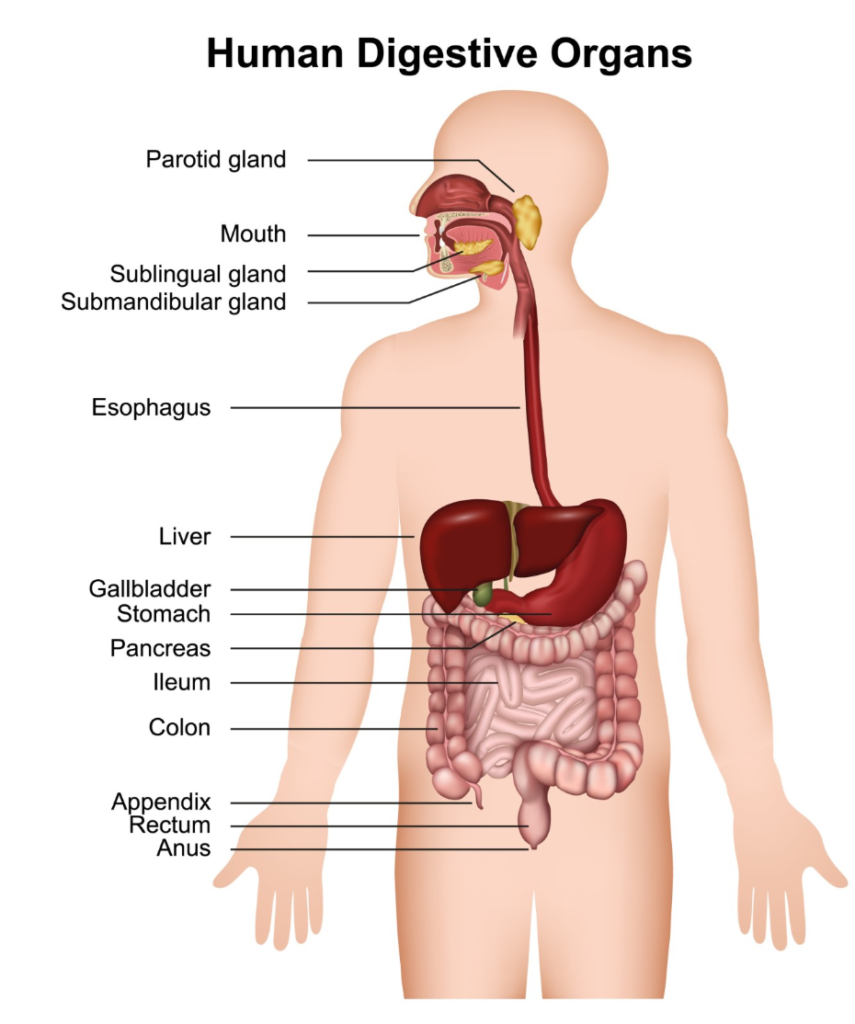
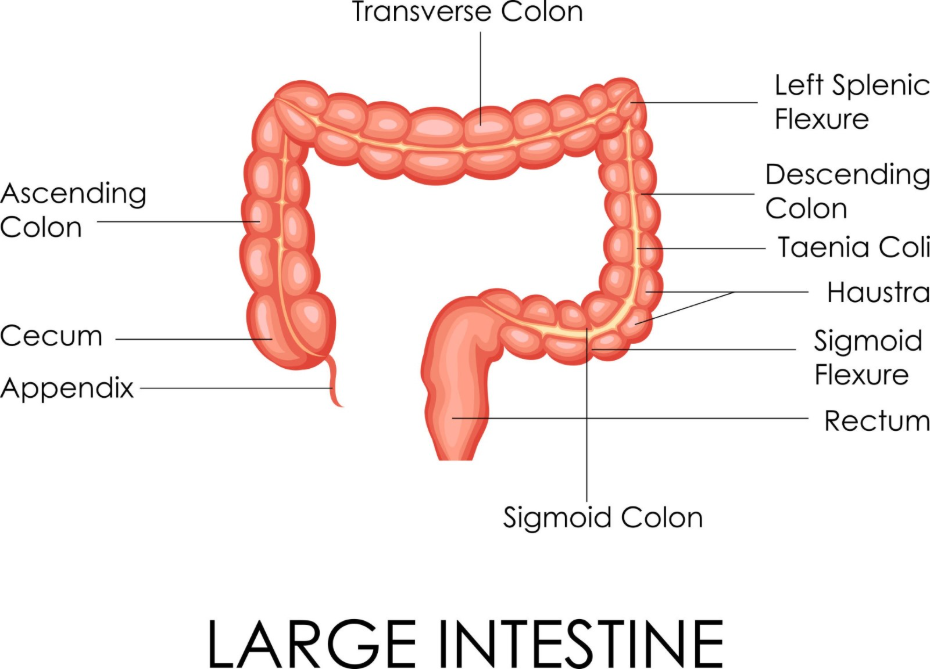
Colon polyps and diverticulitis affect different structures of the large intestine, meaning that the foods that impact one do not necessarily affect the clinical course of the other. A polyp is a cluster of cells growing on the mucosa, which is the internal surface of the bowel, while diverticulitis involves an infection of the diverticula, which are pockets that push outward through the muscular layer of the bowel. The NHS indicates that bowel polyps are common and usually do not cause symptoms, whereas diverticulitis can cause severe abdominal pain and fever.
Because polyps are related to cellular replication and diverticulitis is related to mechanical pressure and bacterial stagnation, the “triggers” for these conditions differ. Polyps are not triggered by specific food items in the short term; rather, their development is influenced by long-term dietary patterns and genetics. Diverticulitis flares are often associated with constipation or waste becoming trapped in pouches. Consequently, a person who has had polyps removed does not gain any specific preventative benefit from avoiding foods that someone with diverticular disease might worry about, such as pips or skins, unless they also have symptomatic diverticular disease themselves.
Debunking Traditional Diverticulitis Food Restrictions
In the United Kingdom, clinical guidance has shifted away from advising patients to avoid nuts, seeds, or popcorn, as research shows these foods do not increase the risk of diverticulitis flares or impact polyp growth. Historically, it was believed that small, hard food particles could become lodged in diverticular pouches and cause infection. However, modern evidence suggests that these foods are actually excellent sources of fibre and do not pose a risk to the colon wall.
NICE clinical guidelines for diverticular disease management state that there is no evidence that nuts, seeds, corn, or popcorn increase the risk of diverticulitis or its complications. For people with polyps, these foods are beneficial because they contribute to a high-fibre intake, which is linked to a healthier bowel environment. Restricting these items can inadvertently lead to a low-fibre diet, which is a known risk factor for both diverticular formation and the development of certain types of polyps. Therefore, UK healthcare professionals encourage a diverse diet that includes these high-fibre components to support the structural and cellular health of the entire large intestine.
The Shared Importance of Dietary Fibre
A high-fibre diet is the primary nutritional recommendation for both colon polyps and diverticular disease because it supports bowel regularity and reduces the internal pressure that affects the colon wall and lining. Fibre adds bulk to the stool and retains water, ensuring that waste moves efficiently through the digestive tract.
| Condition | Role of Fibre | Long-term Benefit |
| Colon Polyps | Dilutes potential irritants in the gut. | May reduce the risk of new growths. |
| Diverticulitis | Prevents constipation and wall pressure. | Reduces the risk of pouch infection. |
| General Health | Supports a healthy gut microbiome. | Improves overall digestive function. |
In the UK, the recommendation is to aim for 30g of fibre per day. For someone with polyps, this helps by reducing the “transit time” of waste, meaning the bowel lining is exposed to potential toxins for a shorter duration. For those with diverticula, it prevents the hard stools that cause pouches to form and become inflamed. Because the goals are so similar, the dietary advice for both groups focuses on increasing whole grains, fruits, vegetables, and pulses. Rather than avoiding triggers, the priority is the inclusion of protective nutrients that maintain the functional stability of the colon.
How Food Impacts the Bowel Lining versus the Wall
Dietary choices impact the colon in two ways: by influencing the cellular health of the lining (relevant to polyps) and by affecting the mechanical pressure on the wall (relevant to diverticula). Red and processed meats are often cited as a concern for bowel health because they may contain compounds that irritate the inner mucosa.
NICE clinical guidelines for colorectal cancer prevention suggest that reducing the intake of red and processed meats can help lower the risk of developing bowel growths such as polyps. This is a cellular concern. Diverticulitis, however, is more concerned with the mechanical passage of stool. While a heavy intake of red meat might contribute to constipation, its primary risk for diverticular disease is indirect. In the UK, patients are advised to focus on lean proteins and plant-based options. This strategy addresses both the cellular risk of polyps and the mechanical risk of diverticulitis by promoting a less inflammatory and more regular bowel environment.
Managing Dietary Changes After Treatment
Following the removal of polyps or the resolution of a diverticulitis flare, the transition back to a normal diet should be gradual to ensure the bowel remains stable and to avoid sudden discomfort. If a person has just recovered from an acute diverticulitis attack, they may be on a low-fibre or liquid diet temporarily. Once the inflammation has subsided, they should slowly reintroduce fibre.
For those who have had polyps removed, there is no need for a low-fibre phase unless instructed by a clinician for immediate post-procedural reasons. The long-term goal for both groups in the United Kingdom is to reach the 30g daily fibre target. This is best achieved by adding small portions of high-fibre foods over several weeks and ensuring adequate hydration. Drinking plenty of water is essential whenever fibre intake is increased, as it allows the fibre to work effectively without causing bloating or constipation. This coordinated approach ensures that the colon is protected from both the structural stress of diverticula and the cellular stress of polyp development.
UK Clinical Pathways for Bowel Health Nutrition
The United Kingdom utilises integrated care pathways that provide patients with consistent dietary advice across primary and secondary care to manage both polyps and diverticular disease. When a patient is diagnosed with either condition, they are typically provided with information about the “Eatwell Guide,” which emphasizes a balanced intake of nutrients.
The UK dietary pathway for bowel health includes:
- Fibre Assessment: Identifying current intake and setting a target of 30g per day.
- Hydration Guidance: Recommending 6 to 8 glasses of fluid daily to support bowel motility.
- Red Meat Reduction: Advising a limit of 70g of red or processed meat per day.
- Lifestyle Integration: Encouraging physical activity to support the natural movement of the gut.
This integrated approach ensures that patients are not given conflicting advice. Whether a person is being monitored for high-risk polyps or recovering from a diverticular infection, the fundamental clinical message remains the same: a high-fibre, well-hydrated diet is the most effective way to support the colon. By adhering to these national standards, patients can move away from unnecessary food restrictions and toward a nutritional pattern that actively supports their long-term gastrointestinal health.
Conclusion
People with polyps do not need to avoid traditional diverticulitis triggers like nuts or seeds, as these restrictions are not supported by modern clinical evidence and do not influence polyp growth. Both conditions benefit from a high-fibre diet that promotes regularity and reduces internal bowel pressure. In the UK, the focus is on a diverse intake of plant-based foods, reduced red meat, and consistent hydration. Adhering to these broad nutritional guidelines is the most effective way to manage the risks associated with the colon wall and its lining. If you experience severe, sudden, or worsening symptoms, call 999 immediately.
Do I need to stop eating spicy food if I have polyps?
No; spicy food does not cause polyps to grow, although it may cause temporary digestive irritation for some people.
Can a specific diet make my polyps disappear?
No; once a polyp has formed, it must be physically removed by a doctor, but a healthy diet can help prevent new ones from developing.
Why was I told to avoid seeds for diverticulitis in the past?
This was an old theory that particles could get stuck in pouches, but UK doctors now know this is not true and that seeds are a good source of fibre.
Should I take fibre supplements instead of eating high-fibre food?
In the UK, it is better to get fibre from whole foods like vegetables and grains, but supplements can be used if you struggle to reach your target.
Is alcohol a trigger for diverticulitis or polyps?
Heavy alcohol use can irritate the gut and is a risk factor for various bowel issues, so it is best to stay within the recommended UK limits.
Can I eat fruit skins if I have diverticula?
Yes; fruit skins are an excellent source of insoluble fibre, which helps prevent the constipation that leads to diverticulitis flares.
How much water should I drink with a high-fibre diet?
The standard recommendation in the UK is 6 to 8 glasses of water or healthy fluids a day to help the fibre move through your system.
Authority Snapshot (E-E-A-T)
This article provides medically factual health education regarding dietary management for polyps and diverticulitis, strictly aligned with NHS and NICE clinical guidelines. The content is developed by a professional medical writing team and reviewed by Dr. Stefan Petrov, a UK-trained physician with experience in general surgery, emergency care, and clinical education. All information follows current UK public health protocols to ensure clinical accuracy and patient safety.



