




Quitting smoking is one of the most effective actions an individual can take to protect their oral health and halt the progression of dental disease. Tobacco use significantly alters the biological environment of the mouth, affecting blood flow, the balance of oral bacteria, and the body’s ability to repair damaged tissues. When a person stops smoking, the mouth begins a recovery process that enhances the health of the gums and reduces the environmental factors that contribute to the breakdown of tooth enamel.
What We’ll Discuss in This Article
- The restoration of normal blood flow to the gums after cessation.
- Reduction in the risk and severity of periodontitis (gum disease).
- How quitting helps the mouth’s natural defences against tooth decay.
- The recovery of the immune response to oral infections.
- Improvements in the success rates of dental treatments and surgery.
- Long-term benefits for preventing tooth loss and oral cancer.
Restoring Blood Flow and Gum Health
Quitting smoking allows the blood vessels in the gums to function normally again, which is essential for maintaining healthy tissue. Nicotine is a vasoconstrictor, meaning it narrows the blood vessels and reduces the delivery of oxygen and nutrients to the gums. This restricted blood flow often masks the signs of gum disease, such as bleeding, because the tissues are too constricted to mount a typical inflammatory response.
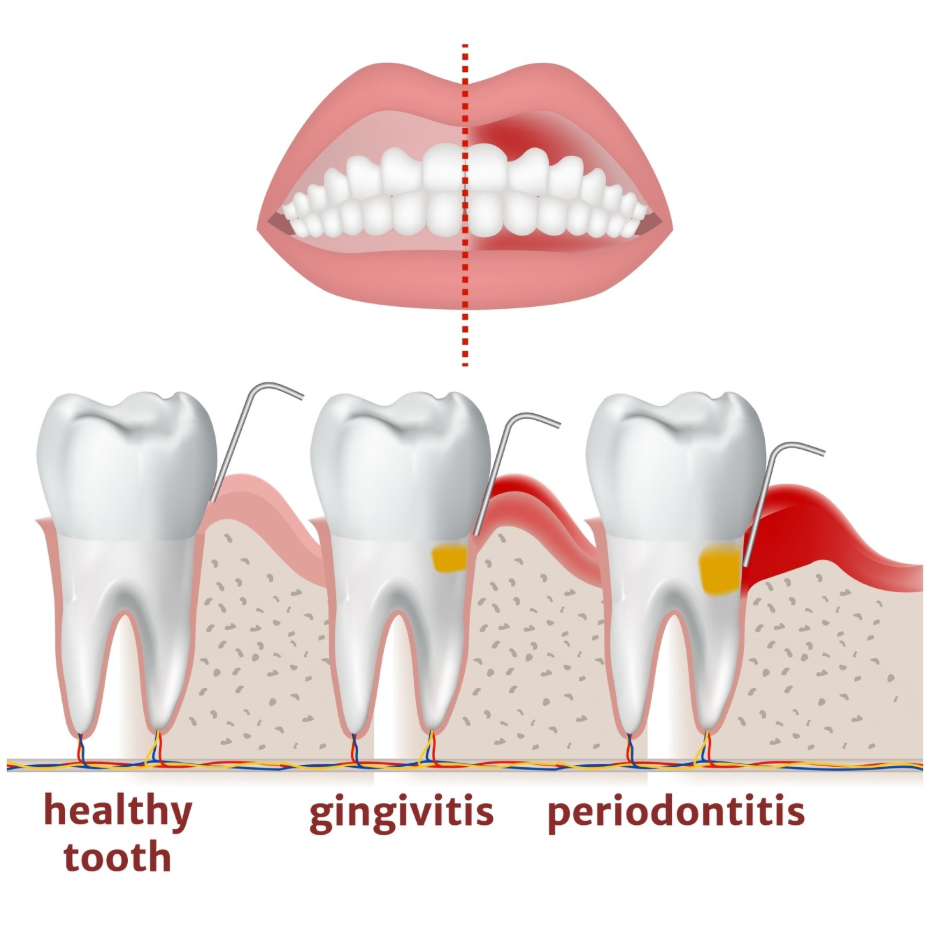
Once the chemical influence of tobacco is removed, the gums can regain their natural ability to heal and fight infection. The NHS highlights that smokers are significantly more likely to have gum disease and that quitting is a primary step in protecting the supporting structures of the teeth. This restoration of circulation ensures that the body can effectively deliver immune cells to the gingival tissues, preventing the early stages of gingivitis from advancing into more severe bone loss.
Reducing the Risk of Tooth Decay
Stopping smoking plays a significant role in reducing the risk of tooth decay by restoring the mouth’s natural protective mechanisms. Smoking often leads to a reduction in saliva production, a condition known as dry mouth or xerostomia. Saliva is the mouth’s natural defence; it neutralises acids produced by bacteria and provides essential minerals to remineralise and strengthen tooth enamel.
Without adequate saliva, teeth are more vulnerable to acid attacks, leading to a higher incidence of cavities. Furthermore, the chemicals in tobacco can cause a sticky film to develop on the teeth, which traps food particles and bacteria. By stopping smoking, the salivary glands can recover, and the oral environment becomes less hospitable to the bacteria that cause decay, allowing for better pH balance and enamel protection.
Comparison of Oral Health Indicators
| Health Factor | Active Smoker | Non-Smoker / Quitter |
| Gum Tissue Blood Flow | Constricted and reduced | Normal and healthy |
| Bacterial Environment | High levels of aggressive bacteria | Balanced oral microbiome |
| Healing Capability | Delayed and impaired | Efficient tissue repair |
| Saliva Production | Often reduced (dry mouth) | Normal protective flow |
| Immune Response | Suppressed | Active and protective |
Immune System Recovery and Infection Control
Smoking suppresses the immune system, making it harder for the body to fight off the bacteria that cause oral infections. In a smoker’s mouth, the immune cells responsible for attacking harmful bacteria are less effective, allowing plaque to harden into tartar (calculus) more quickly. This process accelerates the destruction of the bone that holds teeth in place.
When you quit, your immune response begins to stabilise, improving the body’s ability to manage oral inflammation. Public health information from the UK Government emphasises that stopping smoking at any age provides immediate and long-term health benefits for the entire body, including the mouth. A functioning immune system is vital for preventing the bacterial colonisation that leads to chronic infections in the dental pulp and surrounding tissues.
Success of Dental Treatments After Quitting
Quitting smoking significantly improves the outcomes of both routine and complex dental treatments. Because tobacco use impairs the healing process, smokers have a higher risk of complications following dental procedures, such as dry socket after an extraction or the failure of a dental implant to fuse with the jawbone.
By removing nicotine and carbon monoxide from the system, the body’s ability to generate new tissue and bone is restored. This makes treatments such as professional cleanings, fillings, and surgical interventions far more effective. Dental professionals consistently find that patients who quit smoking see a marked improvement in the stability of their oral health within months of cessation, reducing the likelihood of future tooth loss.
Conclusion
Quitting smoking is a vital intervention for anyone looking to reduce their risk of gum disease and tooth decay. The transition from a tobacco-impacted oral environment to a healthy one involves restored blood flow, better immune function, and improved saliva production. These changes provide the foundation for long-term dental stability and overall health. If you experience severe, sudden, or worsening symptoms, call 999 immediately.
How soon after quitting do gums start to heal?
Circulation and immune response can begin to improve within days, though it may take several months for the full benefits to the gum tissue and bone to be realised.
Why do my gums bleed more now that I have stopped smoking?
This is often because the blood vessels are no longer constricted by nicotine, allowing the gums to show the actual signs of inflammation that were previously masked.
Does vaping affect the gums in the same way as smoking?
While vaping avoids tar, many e-liquids contain nicotine, which still constricts blood vessels and can contribute to gum recession and dry mouth.
Will the stains on my teeth disappear once I quit?
The stains caused by tar and nicotine are external and will not disappear on their own, but stopping will prevent new stains and make professional whitening more effective.
Can I reverse existing bone loss by quitting smoking?
Quitting cannot restore bone that has already been lost, but it is essential for stopping further destruction and allowing the remaining bone to stay healthy.
Is it ever too late to quit for oral health?
It is never too late; stopping at any stage of gum disease or decay will help slow progression and improve the success of dental treatments.
How does quitting smoking affect the risk of oral cancer?
Quitting significantly reduces the risk of developing oral cancers over time as the mouth is no longer exposed to the carcinogens found in tobacco smoke.
Authority Snapshot (E-E-A-T)
This article is designed to provide factual education on the relationship between tobacco use and oral health. It has been produced by the medical content team and reviewed by Dr. Stefan Petrov, a UK-trained physician with an MBBS and certifications in BLS and ACLS. Dr. Petrov has extensive experience in general medicine, surgery, and emergency care across hospital wards and intensive care units. This content is strictly aligned with the health standards and clinical evidence provided by the NHS and NICE.



