




Sickle cells are triggered to change shape primarily by low oxygen levels in the blood, which causes atypical haemoglobin molecules to stick together and form rigid structures that distort the red blood cell. In the United Kingdom, healthcare professionals identify specific environmental and physiological factors that can lower oxygen concentration and initiate this process. By utilising integrated NHS pathways, individuals can manage these triggers to maintain systemic stability and functional health.
What We’ll Discuss in This Article
- The biological process of haemoglobin polymerisation and cell distortion.
- How low oxygen levels act as the primary catalyst for sickling.
- Identifying environmental triggers such as temperature changes and dehydration.
- The impact of infection and physical stress on blood cell stability.
- Clinical diagnostic procedures used by the NHS to monitor vascular health.
- Accessing integrated UK support pathways for specialist haematology reviews.
The Biological Mechanism of Shape Transformation
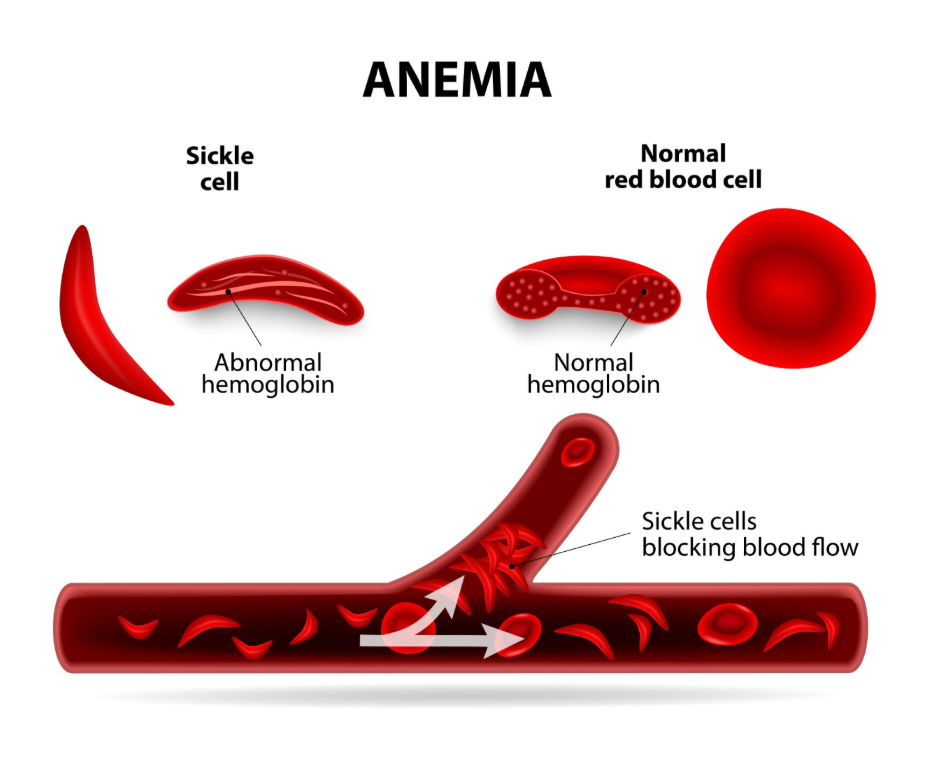
The transformation of a red blood cell from a flexible disc to a rigid sickle shape is caused by the polymerisation of atypical haemoglobin (haemoglobin S) when it is not carrying oxygen. In the United Kingdom, clinical research highlights that these haemoglobin molecules form long, stiff rods that push against the cell membrane, forcing it into a crescent or sickle shape. The NHS states that sickle cells can change shape when they do not have enough oxygen, which can lead to them getting stuck in small blood vessels.
This structural shift makes the cells brittle and prevents them from bending as they pass through narrow capillaries. In the UK, this professional framework provides a stable foundation for the health journey by identifying those molecular changes lead to mechanical obstructions. By utilised these integrated pathways, the healthcare system ensures that every person’s profile is supported through evidence-based understanding. This coordinated effort prioritises the safety of the individual within a validated medical environment that focuses on maintaining biological homeostasis and preventing acute complications.
Environmental and Physiological Triggers
Specific conditions such as dehydration, sudden cold, and physical overexertion are recognised as primary triggers because they either reduce the amount of oxygen in the blood or cause blood vessels to narrow. In the United Kingdom, specialists recognise that staying hydrated is essential because low fluid levels make the blood thicker and more likely to clump. NICE clinical guidelines indicate that management of sickle cell disease should include education on avoiding known triggers like dehydration and extreme temperatures to prevent painful episodes.
| Trigger Type | Specific Examples | Biological Impact |
| Low Oxygen | High altitudes, intense exercise. | Direct catalyst for haemoglobin polymerisation. |
| Temperature | Sudden cold wind, cold water. | Causes vessels to constrict and blood to slow. |
| Hydration | Fever, vomiting, low fluid intake. | Increases blood viscosity and clumping risk. |
| Infection | Flu, chest infections, malaria. | Increases metabolic stress and lowers oxygen. |
| Physical Stress | Severe injury or surgery. | Places sudden demands on the respiratory system. |
In the UK, these biological markers are managed through integrated care plans that prioritise a person-centred approach. Identifying that physical signs like sudden pain are biological responses to these triggers helps the multidisciplinary team select the most effective management strategy. This professional oversight is essential for providing a safe and accurate understanding of the individual’s functional capability. By building a robust evidence base through clinical review, the healthcare system provides a secure environment for long-term health maintenance through the identification of vascular triggers.
The Role of Infection and Inflammation
Infection and the resulting systemic inflammation can trigger sickling because they increase the body’s metabolic demand for oxygen while often causing a rise in body temperature that leads to fluid loss. In the United Kingdom, healthcare professionals monitor for these shifts because illnesses like pneumonia or urinary tract infections are frequent contributors to a sickle cell crisis. The GOV.UK health pages provide clinical profiles indicating that the monitoring of biological markers is a priority for ensuring integrated support for patients with inherited blood conditions.
When the body is fighting an infection, the bone marrow may also struggle to replace the fragile sickle cells that are breaking down prematurely. In the UK, the focus is on providing a stable foundation where the individual’s history and systemic health are reviewed regularly by a specialist haematology team. Identifying these underlying drivers allows for more targeted help that addresses the actual biological cause of the crisis. By utilised these professional frameworks, the UK system provides a life-long framework of support that adapts to the person’s needs during acute episodes and recovery.
Identifying Physical Markers of the Sickling Process
Identifying the markers of sickling involve looking for a combination of physical indicators that suggest cells are beginning to clumping and obstructing the microcirculation. In the United Kingdom, healthcare professionals focus on these signs during routine reviews to ensure that families and individuals receive timely support before symptoms impact daily development or functional independence.
Common markers monitored in the UK include:
- Acute Localised Pain: Sharp discomfort often felt in the joints, chest, or back.
- Leaden Fatigue: An overwhelming sense of tiredness as oxygen delivery falls.
- Visible Jaundice: Yellowing of the eyes or skin due to rapid red blood cell breakdown.
- Cold Hands and Feet: Reduced circulation in the extremities as vessels constrict.
- Shortness of Breath: Difficulty breathing as the lungs work harder to intake oxygen.
- Dactylitis: Painful swelling of the fingers and toes, common in young children.
- Increased Thirst: A biological signal that the body requires more fluid to maintain flow.
In the UK, the focus is on providing a stable foundation for the individual to move forward with self-understanding. The NHS ensures that children and adults have a consistent point of contact for their health needs while they navigate their lives. By utilised these integrated pathways, the healthcare system provides a secure environment for building long-term health wellbeing across the UK population. This integrated approach ensures that the person’s unique way of functioning is respected within their home and professional environment.
Accessing Integrated NHS Support Pathways
The pathway for managing the triggers of sickle cell disease in the United Kingdom is a coordinated process involving primary care, specialist hospital haematology units, and preventative community care. This journey ensures that every person receives a thorough review of their history and current environment to build a bespoke recovery plan that supports their long-term wellness and functional independence.
The UK integrated support pathway involves:
- Newborn Screening: Universal testing to identify the condition shortly after birth.
- Crisis Management Plan: Developing a protocol for managing triggers and acute pain.
- Hydration Education: Professional guidance on fluid intake requirements.
- Specialist Review: Regular consultations to monitor organ health and blood stability.
- Vaccination Programmes: Accessing seasonal flu and pneumonia vaccines to prevent infection.
- Genetic Counselling: Professional advice on inheritance and family planning.
In the UK, the focus is on providing a stable foundation for the individual to move forward with self-understanding. The NHS ensures that adults and children have a consistent point of contact for their health needs. By utilised these integrated pathways, the healthcare system provides a secure environment for building long-term health wellbeing. These strategies aim to work with the individual’s biology to restore a sense of purpose and stability.
Conclusion
Sickle cells change shape in response to biological triggers that lower oxygen levels or increase blood thickness within the UK healthcare framework. The NHS and professional bodies provide a robust system of multidisciplinary assessments and specialist monitoring to help individuals achieve stability and resilience against these episodes. By focusing on both the biological roots of symptoms and the need for environmental awareness, the system promotes the highest possible level of independence. Following a coordinated management plan with the help of medical experts ensures that unique adult and paediatric needs are addressed holistically.
If you experience severe, sudden, or worsening symptoms, call 999 immediately.
Why does cold water trigger sickling?
Cold causes your blood vessels to narrow, which makes it much easier for rigid sickle cells to get stuck and cause a pain crisis.
Does exercise always cause cells to change shape?
Moderate exercise is usually safe, but very intense activity can lower oxygen levels and cause dehydration, which are primary triggers.
How does dehydration affect sickle cells?
When you are dehydrated, your blood becomes thicker and slower, which allows more time for cells to sickle and clump together.
Are high altitudes dangerous for people with sickle cell?
High altitudes have less oxygen in the air, which can directly trigger the haemoglobin in your cells to polymerise and change shape.
Can stress trigger a sickle cell crisis?
Yes; physical or emotional stress can affect how your body uses oxygen and may lead to a crisis in some individuals.
How can I prevent triggers during the winter?
UK clinicians recommend dressing in warm layers and avoiding sudden changes in temperature to keep your blood vessels open and flowing.
Who should I talk to first if I am experiencing more crises?
The first point of contact in the United Kingdom is usually your specialist haematology team or your GP to review your management plan.
Authority Snapshot (E-E-A-T)
This article provides medically factual health education regarding the triggers of sickle cell disease, strictly aligned with NHS and NICE clinical guidelines. The content is developed by a professional medical writing team and reviewed by Dr. Rebecca Fernandez, a UK-trained physician with extensive experience in internal medicine, cardiology, and emergency care. All information follows current UK public health protocols to ensure clinical accuracy and patient safety.



