
What counts as a sports injury?
A sports injury is a type of physical damage that occurs during exercise, athletic activity, or physical training. While these injuries are most frequently associated with competitive sports, they can also happen during gym workouts, recreational activities, or even during everyday movements that involve significant physical exertion. Understanding what constitutes a sports injury is the first step in identifying the appropriate management and ensuring a safe return to activity.
What We’ll Discuss in This Article
- Definition and broad categories of sports injuries
- Difference between acute and chronic injuries
- Common types of injuries like sprains and strains
- When to seek professional medical advice
- Immediate self-care steps for minor injuries
- Frequently asked questions regarding recovery
Defining a sports injury in the UK
A sports injury is defined as any physical harm sustained while participating in sport or exercise. These injuries are typically caused by sudden trauma, such as a fall or collision, or by repetitive strain over a long period. In the UK, the NHS guide on sports injuries classifies them based on how they occur and which part of the body is affected. Most injuries involve the musculoskeletal system, which includes the muscles, bones, joints, and associated tissues like cartilage, ligaments, and tendons.
Acute versus chronic sports injuries
Sports injuries are generally divided into two main categories based on their onset and duration. Acute injuries happen suddenly during activity, such as a broken bone or a torn ligament caused by a specific trip or impact. Symptoms usually include sudden, severe pain, swelling, and an inability to use the affected limb. Chronic injuries, also known as overuse injuries, develop gradually over time due to repetitive motion or poor technique. These often manifest as a dull ache when resting or soreness during activity. Common examples include tendonitis or stress fractures, where the body is not given sufficient time to recover between sessions.
Common types of soft tissue injuries
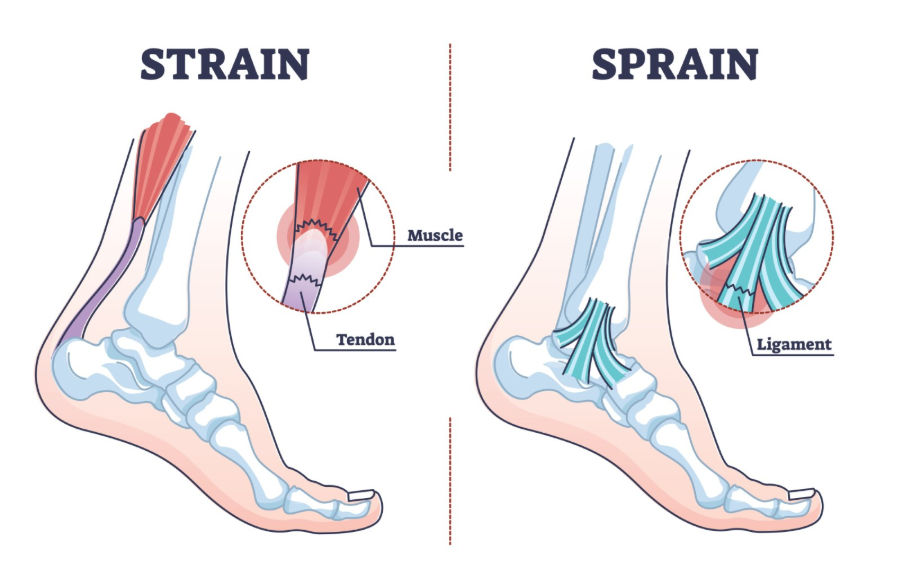
Soft tissue injuries are the most frequent type of sports injury and involve damage to muscles, ligaments, or tendons. Sprains occur when a ligament, the tissue connecting two bones, is stretched, twisted, or torn. Strains, often called pulled muscles, occur when muscle fibres or tendons are overstretched or torn. According to NICE clinical knowledge summaries, these are managed similarly in the initial stages using methods that focus on reducing swelling and protecting the injured area. Other soft tissue issues include tears in the cartilage, such as the meniscus in the knee, which often require a more specific rehabilitation plan to regain stability.
Bone and joint injuries
Injuries to the bones and joints are often more severe and may require immediate medical assessment. A fracture is a crack or break in a bone, which can occur due to a single high impact or repeated stress over time. Dislocations happen when the bones in a joint are forced out of their normal position, commonly affecting the shoulder or fingers. These injuries typically cause visible deformity, intense pain, and a total loss of movement in the joint. It is vital that a suspected dislocation or broken bone is assessed by a healthcare professional to ensure the joint is reset correctly and the bone is stabilised for healing.
Head and minor traumatic brain injuries
Head injuries sustained during sport, such as a concussion, are serious and require careful monitoring. A concussion is a temporary injury to the brain caused by a bump, blow, or jolt to the head. Symptoms may not appear immediately and can include dizziness, nausea, confusion, or a mild headache. UK sports bodies and the NHS emphasise that any athlete suspected of having a concussion should be removed from play immediately. Monitoring for worsening symptoms is essential, as some head injuries can have long term effects if not managed with sufficient rest and a gradual return to physical activity.
Conclusion
A sports injury encompasses a wide range of physical damage from minor muscle strains to serious fractures and concussions. Identifying whether an injury is acute or chronic helps in determining the correct course of action for recovery. Most minor sports injuries can be managed with rest and gradual rehabilitation, but more severe cases involving joints or the head require professional evaluation. If you experience severe, sudden, or worsening symptoms, call 999 immediately.
How long does a minor sprain typically take to heal?
Most minor sprains and strains start to feel better within a few days, though a full recovery can take several weeks, depending on the severity. It is important to return to activity gradually to avoid re-injury.
Can I walk on a sprained ankle?
If you can put weight on the ankle without severe pain, gentle walking may be possible, but you should avoid strenuous activity. If the pain prevents you from walking at all, you should seek medical advice to rule out a fracture.
What is the difference between a tendon and a ligament?
A ligament is a band of tough, flexible tissue that connects two bones together, while a tendon connects a muscle to a bone. Both can be injured during sports through overstretching or sudden impact.
Is bruising a normal sign of a sports injury?
Yes, bruising often occurs when small blood vessels under the skin tear due to an impact or a significant strain. It usually appears shortly after the injury and fades as the tissue heals.
Should I use ice or heat for a new sports injury?
For the first 48 to 72 hours after an acute injury, ice is generally recommended to help reduce swelling and pain. Heat is typically used later in the healing process to help relax tight muscles and improve blood flow.
What is an overuse injury?
An overuse injury is a chronic condition caused by repetitive trauma to a bone, muscle, or joint without enough recovery time. Common examples include tennis elbow or shin splints
Authority Snapshot (E-E-A-T Block)
This article is designed to provide clear and accurate information to the general public regarding the definition and classification of sports injuries. It has been written by Dr. Stefan Petrov, a UK-trained physician, and reviewed to ensure all content aligns with current NHS and NICE clinical guidance. The information provided is for educational purposes and focuses on standard medical definitions used within the United Kingdom healthcare system.
