




No, numbness is not always a sign of peripheral neuropathy. While neuropathy is a leading cause of sensory loss in the United Kingdom, numbness can stem from a variety of other physiological and medical issues. Numbness is a symptom, not a diagnosis, and it indicates that the sensory pathway between a specific part of your body and your brain is being interrupted at some point. This interruption can happen in the peripheral nerves, the spinal cord, or the brain itself.
As a physician with experience in emergency care and hospital wards, I have seen numbness present as a result of everything from simple physical compression to complex vascular or central nervous system disorders. Distinguishing whether numbness is peripheral or central is one of the most important steps in a clinical assessment. This article explores the different causes of numbness and how we determine if the issue is truly neuropathic.
What We Will Discuss In This Article
- Peripheral vs. Central Numbness: Where is the signal blocked?
- Vascular Causes: Numbness due to restricted blood flow
- Compression and Entrapment: The temporary pin and needle effect
- Vitamin and Metabolic Factors: Beyond nerve damage
- Psychosocial Factors: The mind body connection in sensation
- Emergency guidance for acute or life threatening numbness
Peripheral vs. Central Numbness
To understand numbness, you must understand the pathway of sensation. Peripheral neuropathy involves damage to the nerves outside the brain and spinal cord. However, if the signals are blocked within the spinal cord or the brain, you will still experience numbness.
- Central Nervous System Issues: Conditions like Multiple Sclerosis (MS), transverse myelitis, or even a stroke can cause profound numbness. These are not neuropathies in the traditional sense because the primary damage is in the central nervous system.
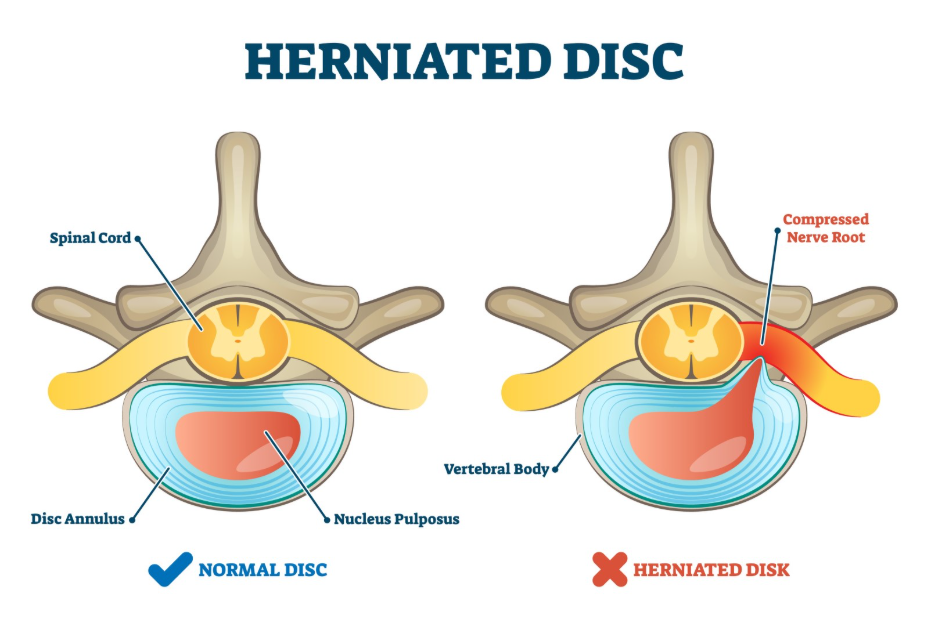
- Radiculopathy: This is numbness caused by a pinched nerve at the root, usually in the spine (like a herniated disc). While it involves a nerve, it is often categorized differently from systemic peripheral neuropathy.
Vascular Causes: The Blood Flow Factor
Sometimes numbness has nothing to do with the health of the nerve itself but rather the blood supply reaching that nerve.
Conditions like Raynaud Phenomenon or Peripheral Artery Disease (PAD) can cause numbness because the nerves are starved of oxygenated blood. If the blood flow is restored, the numbness often disappears. This is a vascular issue rather than a primary neuropathic one. In the UK, we often check for pulses and skin temperature in numb limbs to rule out these circulatory problems.
Compression and Entrapment
The most common form of numbness is temporary and benign: the sensation of a limb falling asleep.
This occurs when sustained pressure is applied to a nerve, such as sitting with your legs crossed for too long. This is called neurapraxia. The nerve is not permanently damaged; it is simply temporarily unable to conduct signals. Similarly, Carpal Tunnel Syndrome is an entrapment where a nerve is physically squeezed. While this can lead to neuropathy if left untreated, the initial numbness is a result of mechanical pressure.
Vitamin and Metabolic Factors
Metabolic imbalances can cause sensory changes that mimic neuropathy but may be reversible.
Severe electrolyte imbalances, such as low calcium (hypocalcaemia) or potassium levels, can lead to paraesthesia or numbness. Additionally, acute vitamin B12 deficiency can cause numbness before permanent nerve damage has actually occurred. In a clinical setting, we use blood tests to check these levels to ensure we are not overlooking a treatable metabolic cause.
The Mind Body Connection
In some cases, numbness can be a physical manifestation of psychological distress.
During a panic attack, hyperventilation can lead to a drop in carbon dioxide levels in the blood, which causes a tingling or numb sensation around the mouth and in the fingertips. This is a physiological response to stress rather than a sign of nerve decay. Understanding the context of when the numbness occurs is vital for an accurate diagnosis.
Emergency Guidance
While numbness is often chronic, it can be a sign of a life threatening event. Seek emergency care immediately if you experience:
- Sudden numbness on one side of the face, arm, or leg (possible stroke)
- Numbness accompanied by a sudden, severe headache or confusion
- New and total numbness in the saddle area around the groin or inner thighs
- Numbness following a traumatic injury to the head or spine
- Signs of a silent heart attack such as sudden nausea and profound weakness
In these situations, call 999 or attend your nearest Accident and Emergency department immediately.
To Summarise
Numbness is a complex symptom that can point to many different issues beyond peripheral neuropathy. From vascular restrictions and temporary compression to central nervous system disorders and metabolic imbalances, the cause of sensory loss varies widely. In the UK, clinicians like Dr. Stefan Petrov look at the pattern, duration, and associated symptoms to find the source. If you are experiencing persistent or unexplained numbness, a professional medical evaluation is necessary to determine the underlying cause and ensure you receive the correct care.
How can I tell the difference between a stroke and neuropathy?
Stroke-related numbness is usually sudden and affects one side of the body. Neuropathy is typically gradual and affects both feet or hands symmetrically. If there is any doubt, seek emergency help immediately.
Is the tingling I get when I’m cold a sign of neuropathy?
Not necessarily. It is often a vascular response where blood vessels constrict to save heat. However, if it happens frequently even in mild temperatures, it could be Raynaud Phenomenon.
Can a lack of sleep cause numbness?
While rare, extreme exhaustion can affect how your brain processes sensory information, leading to unusual sensations. However, persistent numbness should never be dismissed simply as tiredness.
Does a herniated disc cause neuropathy?
It causes radiculopathy, which is a type of nerve pain or numbness, but it is localized to the specific nerve being pinched in the spine rather than a systemic damage to peripheral nerves.
Authority Snapshot
This article was reviewed by Dr. Stefan Petrov, a UK trained physician with an MBBS and certifications in advanced cardiac and basic life support. Dr. Petrov has comprehensive experience in hospital wards, emergency care, and intensive care units. His background in surgery, anaesthesia, and ophthalmology allows him to understand the wide range of sensory presentations. He is dedicated to patient education and the creation of accurate health content for the public.



