




Significant life stressors like job loss or bereavement can contribute to the development of mental health disorders by triggering a prolonged biological stress response that may dysregulate neurochemical balance and exceed an individual’s current capacity for emotional regulation. In the United Kingdom, healthcare professionals recognise these events as major environmental factors that influence physiological health. By utilising integrated NHS support pathways, individuals can achieve functional stability.
What We’ll Discuss in This Article
- The biological relationship between external stressors and the nervous system.
- How the hypothalamic-pituitary-adrenal axis responds to life transitions.
- Distinguishing between natural grief or situational stress and clinical disorders.
- Identifying physical and cognitive markers of stress-induced health changes.
- The role of social prescribing and talking therapies in professional recovery.
- Accessing integrated NHS support pathways for timely clinical review.
The Biological Impact of Major Life Transitions
Major life transitions such as bereavement or redundancy trigger a complex biological response involving the endocrine and nervous systems, which can lead to persistent shifts in mood and physical health if the body remains in a state of high alert. In the United Kingdom, clinical research highlights that while these events are universal experiences, they can act as “precipitating factors” for those with a pre-existing biological vulnerability. The NHS states that significant life events like losing a job or a loved one are common triggers for depression and anxiety.
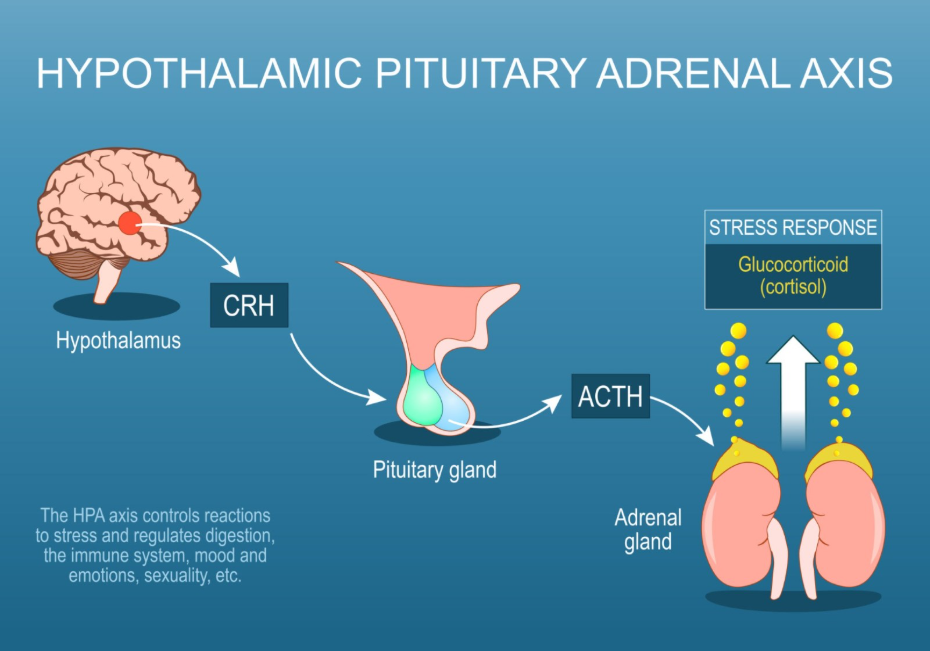
When the brain perceives a threat to an individual’s security or social connection, it activates the sympathetic nervous system. In the UK, this professional framework provides a stable foundation for the health journey by identifying that emotional distress has measurable physiological roots. By utilised these integrated pathways, the healthcare system ensures that every person’s profile is supported through evidence-based understanding. This coordinated effort prioritises the safety of the individual within a validated medical environment.
The Stress Response and Neurochemical Balance
The prolonged release of stress hormones like cortisol during periods of job loss or bereavement can influence the regulation of neurotransmitters such as serotonin and dopamine, potentially leading to the emergence of clinical symptoms. In the United Kingdom, specialists recognise that the “allostatic load,” or the cumulative wear and tear on the body, can eventually impair the brain’s ability to maintain homeostatic balance. NICE clinical guidelines for common mental health problems indicate that a thorough assessment should consider the impact of recent life events on an individual’s functional health.
| Life Stressor | Biological or Social Impact | Functional Consideration |
| Bereavement | Disruption of social bonding and emotional safety. | Natural mourning process vs. persistent disorder. |
| Job Loss | Loss of routine, purpose, and financial security. | Increased autonomic arousal and sleep disruption. |
| Relationship Breakdown | Shift in domestic stability and support networks. | Heightened sensitivity to emotional triggers. |
| Major Illness | Systemic physiological stress on the body. | Reduction in the metabolic energy for daily tasks. |
| Relocation | Loss of familiar environment and local community. | Temporary decline in social regulation and calm. |
In the UK, these biological markers are managed through integrated care plans that prioritise a person-centred approach. Identifying that physical signs like persistent heart palpitations or leaden fatigue are biological responses helps the multidisciplinary team select the most effective management strategy. This professional oversight is essential for providing a safe and accurate understanding of the individual’s health needs. By building a robust evidence base through clinical review, the healthcare system provides a secure environment for long-term health.
Distinguishing Natural Responses from Disorders
Distinguishing between a natural response to a stressor, such as grief, and a mental health disorder involves assessing the duration, intensity, and impact of the symptoms on an individual’s ability to perform daily activities. In the United Kingdom, healthcare professionals use specific clinical markers to determine when a situation has transitioned from an expected emotional reaction to a condition requiring medical or psychological intervention.
While feeling low after a loss is a natural biological process, a disorder is often characterised by a persistent inability to experience any pleasure or a total withdrawal from functional life. In the UK, the focus is on providing a stable foundation where the individual’s environment is reviewed alongside their metabolic health. Identifying these underlying drivers allows for more targeted help that addresses the actual biological cause of distress. By utilised these professional frameworks, the UK system provides a life-long framework of support that adapts to the person’s needs.
Identifying Markers of Stress-Induced Distress
Identifying the markers of stress-induced distress involves looking for a combination of physical and cognitive indicators that suggest the nervous system is struggling to adapt to the recent life changes. In the United Kingdom, healthcare professionals focus on these signs during routine primary care reviews to ensure that individuals receive timely and appropriate support before symptoms become chronic.
Common markers identified in the UK include:
- Persistent Sleep Disruption: Difficulty falling or staying asleep despite feeling exhausted.
- Cognitive Brain Fog: Notable changes in concentration, decision-making, or memory.
- Autonomic Irritability: Increased restlessness, trembling, or physical signs of tension.
- Appetite Shifts: Significant loss of interest in food or notable changes in body weight.
- Physical Exhaustion: A leaden sense of fatigue that does not resolve with rest.
- Social Withdrawal: Feeling detached from previously supportive networks or hobbies.
In the UK, identifying these indicators early is vital for preventing the functional decline that often accompanies untreated health challenges. The integrated support framework encourages a strengths-based approach, focusing on what the individual needs to remain healthy within their social context. These strategies aim to work with the individual’s biology to restore a sense of calm. This integrated approach ensures that the person’s unique way of functioning is respected.
Accessing Integrated NHS Support Pathways
The pathway for managing the impact of life stressors in the United Kingdom is a coordinated process involving GPs, social prescribing link workers, and NHS talking therapy services. This journey ensures that every individual receives a thorough review of their history and current environment to build a bespoke recovery plan that supports their wellness and functional independence.
The UK integrated support pathway involves:
- Initial GP Consultation: Discussing physical and emotional symptoms for a clinical assessment.
- Social Prescribing: Connecting with community groups to reduce isolation and restore routine.
- Talking Therapies: Utilising evidence-based support such as Cognitive Behavioural Therapy (CBT).
- Physical Health Screening: Performing blood tests to rule out biological causes like anaemia.
- Bereavement Support: Accessing specialist counselling services tailored to managing loss.
- Regular Monitoring: Scheduled reviews to ensure that management strategies remain effective.
In the UK, the focus is on providing a stable foundation for the individual to move forward with self-understanding. The NHS ensures that adults have a consistent point of contact for their health needs while they navigate their lives. By utilised these integrated pathways, the healthcare system provides a secure environment for building long-term mental wellbeing across the UK population. These strategies aim to work with the individual’s biology to restore a sense of calm and purpose.
Conclusion
Life stressors like job loss or bereavement are significant biological events that can contribute to the emergence of mental health disorders within the United Kingdom’s healthcare framework. The NHS and professional bodies provide a robust system of multidisciplinary assessments and specialist support to help individuals achieve stability and resilience. By focusing on both the biological roots of symptoms and the need for supportive environments, the system promotes the highest possible level of health and independence. Following a coordinated management plan with the help of medical and psychological experts ensures that unique adult needs are addressed holistically.
Is it normal to feel depressed after losing a job?
While situational sadness is expected, persistent symptoms that stop you from functioning may indicate a clinical condition.
How long should grief last?
Grief is a personal biological process with no set timeline, but if it becomes overwhelming or persistent, support is available.
Can stress from bereavement cause physical pain?
Yes; the chronic activation of your stress response can lead to physical symptoms like headaches or muscle tension.
Will a GP give me a sick note for bereavement?
A GP in the UK can provide a fit note if they assess that your health is currently impacting your ability to work safely.
What is “social prescribing”?
It is an NHS service that connects you to local activities and groups to improve your social wellbeing and resilience.
How does talking help after a job loss?
Verbalising your distress helps regulate your autonomic nervous system and transitions processing to the brain’s logical centres.
Who should I talk to first if I am struggling?
The first point of contact in the United Kingdom is usually your GP to discuss your health and explore various support pathways.
Authority Snapshot (E-E-A-T)
This article provides medically factual health education regarding the impact of life stressors, strictly aligned with NHS and NICE clinical guidelines. The content is developed by a professional medical writing team and reviewed by Dr. Stefan Petrov, a UK-trained physician with experience in multiple clinical specialties including emergency care, general surgery, and medical education. All information follows current UK public health protocols to ensure clinical accuracy and patient safety.



