




Coeliac disease is a lifelong autoimmune condition where the body immune system reacts to gluten by attacking the lining of the small intestine. This reaction can lead to a wide variety of symptoms, ranging from mild discomfort to severe health complications. Because the condition affects how the body absorbs nutrients, it often presents with signs that impact systems beyond the digestive tract. Identifying these symptoms early is a key step in seeking clinical assessment and preventing long term damage to the gut and overall health.
What We’ll Discuss in This Article
- Typical gastrointestinal symptoms of coeliac disease
- Non-digestive signs and systemic manifestations
- Symptoms commonly observed in children and infants
- The reality of silent coeliac disease without obvious signs
- Common complications related to untreated malabsorption
- When to seek urgent medical attention for severe symptoms
The most common symptoms are digestive issues such as diarrhoea, bloating, and stomach pain
Gastrointestinal distress remains the primary reason most individuals first seek medical advice regarding coeliac disease. Coeliac disease symptoms can vary significantly between individuals but frequently include persistent diarrhoea, which may be foul smelling or difficult to flush, alongside abdominal pain and cramping.
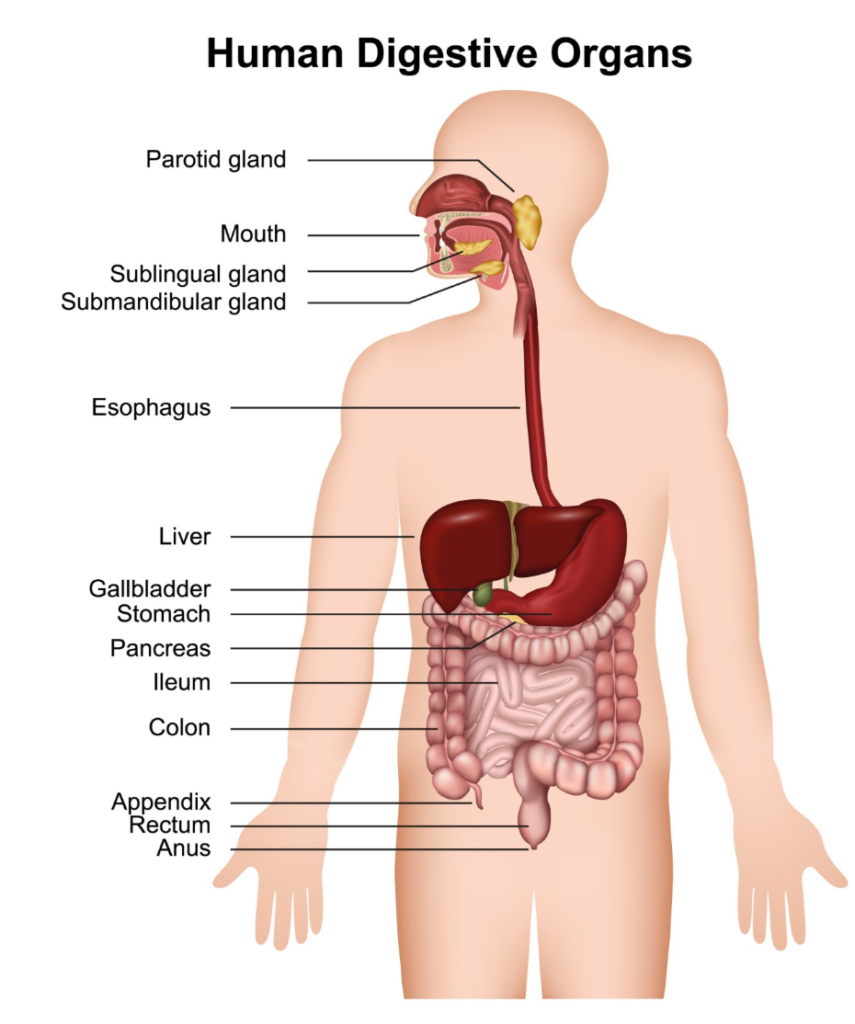
Many patients also report frequent bloating, excessive wind, and a general feeling of indigestion. These symptoms occur because the damaged intestinal lining cannot effectively process food, leading to fermentation and irritation in the gut.
Non-digestive symptoms often include fatigue and nutrient deficiencies
A significant number of people experience symptoms that do not appear to be directly related to digestion, often caused by the body inability to absorb vital vitamins and minerals. One of the most frequent indicators is unexplained extreme tiredness and fatigue, which is often linked to iron deficiency anaemia. Other non-classical signs include unexpected weight loss, persistent mouth ulcers, and a chronic, blistering skin rash known as dermatitis herpetiformis. In some cases, individuals may also experience neurological symptoms, such as problems with balance or a tingling sensation in the hands and feet.
Symptoms in children often affect growth and development
In infants and children, coeliac disease typically presents with signs related to malnutrition and impaired physical growth. Parents may notice a failure to thrive, where the child is not gaining weight or growing in height as expected for their age. Digestive signs in children often include a swollen tummy, pale or fatty stools, and unexplained irritability. NICE guidelines recommend coeliac disease testing for children with persistent gastrointestinal symptoms or those showing signs of delayed puberty, as early intervention is essential for ensuring healthy long term development.
Silent coeliac disease can occur without any outward symptoms
It is possible to have coeliac disease without experiencing any noticeable symptoms, a state often referred to as silent coeliac disease. In these cases, the immune system is still attacking the small intestine and causing internal damage, even if the individual feels perfectly well. This is why UK clinical guidelines emphasise the importance of screening high risk groups, such as first degree relatives of people with the condition. Even without outward signs, the lack of treatment can lead to silent complications such as a gradual reduction in bone density, which may eventually result in osteoporosis or unexplained bone fractures.
Conclusion
Coeliac disease presents with a diverse range of symptoms, including typical digestive issues like bloating and diarrhoea, as well as systemic signs like fatigue and anaemia. While some individuals experience obvious distress, others may have no symptoms at all despite ongoing internal damage. Recognising the varied ways this condition manifests is vital for seeking the correct diagnostic tests. If you experience severe, sudden, or worsening symptoms, call 999 immediately.
Can coeliac disease cause constant headaches?
Persistent headaches or migraines are reported by some individuals as a non-digestive symptom of coeliac disease, though the exact link is still being studied.
Why do I feel itchy after eating gluten?
Dermatitis herpetiformis is a specific, itchy skin manifestation of coeliac disease that appears in response to gluten ingestion.
Is weight gain possible with coeliac disease?
While weight loss is more common, some people may experience weight gain or find it difficult to lose weight due to metabolic changes.
Do coeliac symptoms always start in childhood?
No, coeliac disease can develop and be diagnosed at any age, with many people first noticing symptoms in adulthood.
Can coeliac disease affect my teeth?
Yes, undiagnosed coeliac disease can lead to permanent damage to tooth enamel, resulting in spots or thin enamel in children.
How long after eating gluten do symptoms start?
The timing varies; some people react within a few hours, while for others, symptoms may not appear for several days.
Can anxiety be a symptom of coeliac disease?
Mood changes, including irritability, anxiety, and depression, are sometimes associated with the systemic effects of the condition.
Authority Snapshot
This article was created by the Medical Content Team to provide clear, UK-focused education on the common symptoms of coeliac disease. It has been reviewed by Dr. Stefan Petrov, a UK-trained physician, to ensure the information aligns with current NHS and NICE clinical guidelines. Our purpose is to help the general public identify potential signs of autoimmune conditions without providing individual diagnosis.



