




Coeliac disease is an autoimmune condition where the body immune system reacts to gluten by attacking its own tissues. While many people associate this condition with digestive upset, it can also manifest through significant skin symptoms. One of the most specific skin presentations is a condition known as dermatitis herpetiformis, which is directly linked to gluten sensitivity and coeliac disease. Understanding how the gut and skin are connected in this condition is vital for achieving a correct diagnosis and managing the systemic effects of the disease.
What We’ll Discuss in This Article
- The biological link between gluten and skin inflammation
- Identifying the symptoms of dermatitis herpetiformis
- How dermatitis herpetiformis is diagnosed in the UK
- The relationship between skin symptoms and intestinal damage
- Treatment and management of coeliac related skin rashes
- Long term outlook for skin health on a gluten free diet
Coeliac disease is the direct cause of the skin condition known as dermatitis herpetiformis
Dermatitis herpetiformis is a chronic skin condition that is considered the skin manifestation of coeliac disease rather than a separate illness. Dermatitis herpetiformis is a skin condition linked to coeliac disease and is caused by the immune system reacting to gluten by producing antibodies that travel through the bloodstream to the skin. When these antibodies collect in the skin tissues, they trigger an inflammatory response that leads to a characteristic blistering rash.
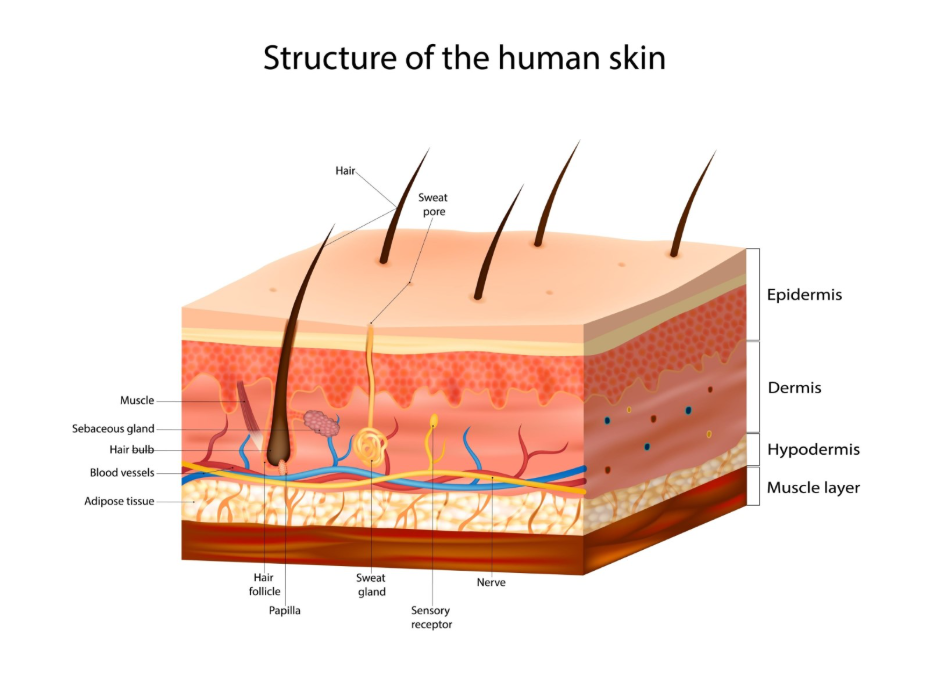
While not everyone with coeliac disease develops this rash, almost everyone with the rash has the underlying intestinal sensitivity associated with the condition.
Identifying the characteristics of the coeliac skin rash
The rash associated with coeliac disease is typically very itchy and presents as small, red, raised patches that often develop into tiny blisters. These blisters are most commonly found in a symmetrical pattern on the elbows, knees, buttocks, and sometimes the scalp or back. The rash is usually very itchy and often affects the elbows, knees and buttocks. Because the itching is intense, the blisters are often scratched away, leaving small crusty scabs or red spots. Unlike other common skin conditions like eczema or psoriasis, dermatitis herpetiformis is specifically triggered by the ingestion of gluten and will not resolve without dietary intervention.
The connection between skin symptoms and intestinal damage
Even if a person with dermatitis herpetiformis does not experience obvious digestive symptoms like stomach pain or diarrhoea, the immune system is still attacking the small intestine. According to the National Institute for Health and Care Excellence, dermatitis herpetiformis is a well recognised presentation of coeliac disease that indicates internal damage is likely occurring. Clinical studies have shown that the majority of people with this skin rash also have some degree of villous atrophy in their gut. This means that managing the skin condition is not just about topical treatments but about protecting the long term health of the digestive system and preventing nutrient malabsorption.
Diagnosis and management of coeliac related skin rashes
In the UK, the diagnosis of dermatitis herpetiformis usually involves a specific type of skin biopsy where a small sample is taken from the skin near the rash to check for antibody deposits. Once confirmed, the primary treatment is a strict and lifelong gluten free diet, which addresses the underlying autoimmune trigger. In some cases, a medication called dapsone may be prescribed by a specialist to help control the intense itching and blistering while the diet takes effect. However, the medication only treats the symptoms, and the gluten free diet remains the only way to heal both the skin and the small intestine.
Conclusion
Coeliac disease is the underlying cause of dermatitis herpetiformis, a specific and intensely itchy skin rash that indicates a systemic immune reaction to gluten. While the rash can be managed with medical treatments, the only permanent solution is the total removal of gluten from the diet to protect both the skin and the digestive tract. Early clinical diagnosis through skin biopsy is essential for ensuring appropriate long term care. If you experience severe, sudden, or worsening symptoms, call 999 immediately.
Is dermatitis herpetiformis contagious?
No, it is an autoimmune reaction within the individual body and cannot be passed from person to person.
Will my skin clear up immediately on a gluten free diet?
It can take several months or even longer for the antibody levels in the skin to drop enough for the rash to clear completely.
Can I have the skin rash without any stomach pain?
Yes, many people with dermatitis herpetiformis have no digestive symptoms at all despite having intestinal damage.
Is the rash the same as a wheat allergy?
No, a wheat allergy is a different type of immune response, whereas this rash is part of the autoimmune process of coeliac disease.
Can children develop dermatitis herpetiformis?
While it is more common in adults, children can also develop the rash as a manifestation of coeliac disease.
Will steroid creams cure the rash?
Steroid creams may provide very temporary relief from itching, but they do not treat the underlying cause and are usually ineffective for this specific condition.
Do I still need a gut biopsy if I have the skin rash?
If a skin biopsy confirms dermatitis herpetiformis, many specialists consider this a diagnosis of coeliac disease, but a gut biopsy may still be suggested to assess the level of damage.
Authority Snapshot (E-E-A-T Block)
This article provides educational information on the skin manifestations of coeliac disease for the general public. It has been authored by the Medical Content Team and reviewed by Dr. Stefan Petrov, a UK-trained physician, to ensure accuracy and alignment with current NHS and NICE clinical guidance. Our purpose is to foster a better understanding of how autoimmune conditions impact the body beyond the digestive system.



