




Coeliac disease is a chronic autoimmune condition where the body immune system reacts to gluten by attacking its own healthy tissues. While the primary site of damage is the small intestine, the resulting inflammation is often systemic, meaning it can affect various parts of the body outside of the digestive tract. Many individuals find that their condition manifests through musculoskeletal symptoms, such as persistent discomfort in the joints and muscles. Recognising these non-digestive signs is essential for ensuring a comprehensive clinical assessment and preventing long term complications related to chronic inflammation.
What We’ll Discuss in This Article
- The biological link between gluten and systemic joint pain
- How malabsorption affects musculoskeletal health
- Common patterns of joint discomfort in coeliac patients
- Distinguishing autoimmune joint pain from other conditions
- Recovery of joint health on a strict gluten free diet
- Identifying when joint pain requires urgent medical review
Coeliac disease is a recognised cause of persistent joint and muscle pain
Joint pain and stiffness are frequent non-digestive symptoms of coeliac disease because the autoimmune response triggers systemic inflammation that can affect the musculoskeletal system. Coeliac disease is an autoimmune condition where the immune system attacks healthy tissue after the ingestion of gluten, and this response can lead to inflammatory markers circulating throughout the body.
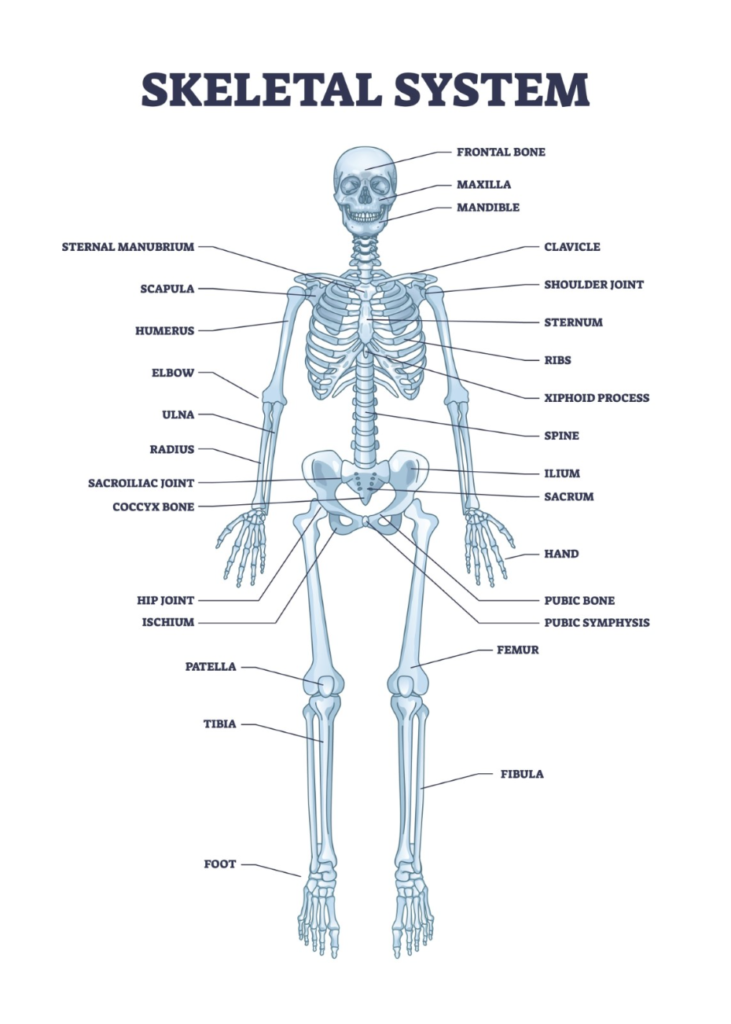
Many individuals report aching joints and bone pain as common symptoms of coeliac disease even in the absence of obvious stomach pain or diarrhoea. This discomfort is often described as a dull ache or stiffness that is most noticeable in the morning or after periods of inactivity.
The role of malabsorption in bone and joint health
The damage to the small intestine caused by coeliac disease directly impairs the body ability to absorb essential minerals, such as calcium and vitamin D, which are vital for maintaining strong bones and healthy joints. Over time, this malabsorption can lead to a softening of the bones or a gradual reduction in bone density, a condition known as osteoporosis. According to the National Institute for Health and Care Excellence, coeliac disease should be considered in people with unexplained bone or joint symptoms because the underlying nutritional lack can cause significant musculoskeletal distress. Without a diagnosis, individuals may experience recurring fractures or persistent pain that does not respond to standard topical treatments.
Distinguishing coeliac joint pain from inflammatory arthritis
It is important to differentiate the joint pain associated with coeliac disease from other forms of inflammatory arthritis, such as rheumatoid arthritis, although they can sometimes coexist. In coeliac disease, the joint pain is typically non-erosive, meaning it does not usually cause the same level of permanent joint deformity seen in other autoimmune joint conditions. However, because both involve a heightened immune state, clinicians in the UK often screen for coeliac disease when a patient presents with unexplained joint inflammation. Identifying the specific trigger, in this case, gluten, is the only way to effectively resolve the pain at its source.
Management of musculoskeletal symptoms through diet
The primary treatment for joint pain caused by coeliac disease is the strict and lifelong removal of gluten from the diet. Once gluten is eliminated, the systemic inflammatory response begins to subside, and the body ability to absorb bone-strengthening nutrients improves. Most patients find that their joint and muscle aches reduce significantly within a few weeks or months of starting a gluten free lifestyle. While the gut heals, healthcare professionals may suggest vitamin D and calcium supplements to support bone recovery and alleviate the pain associated with nutritional deficiencies.
Conclusion
Coeliac disease frequently causes joint pain and musculoskeletal stiffness due to systemic inflammation and the malabsorption of essential nutrients like calcium. These symptoms serve as a vital clinical indicator that the autoimmune response is affecting more than just the digestive tract. Adopting a strict gluten free diet is the only effective way to reduce inflammation and protect long term bone and joint health. If you experience severe, sudden, or worsening symptoms, call 999 immediately.
Does gluten cause immediate joint pain?
For some, joint pain may flare up within a few hours or days after accidental gluten ingestion, while for others, it is a chronic, low level ache.
Can coeliac disease cause swelling in the joints?
While less common than general aching, some individuals do experience mild swelling and redness in the joints as part of the inflammatory response.
Which joints are most affected by coeliac disease?.
Discomfort is commonly reported in the knees, hips, wrists, and shoulders, though it can affect any joint in the body.
Will my joint pain go away on a gluten free diet?
Most people see a significant improvement in joint symptoms as the body baseline inflammation levels drop after removing gluten.
Is joint pain in coeliac disease the same as fibromyalgia?
No, but the widespread muscle and joint aches of coeliac disease can sometimes be misidentified as fibromyalgia before a proper diagnosis.
Can children have joint pain from coeliac disease?
Yes, children may complain of growing pains or show a reluctance to be physically active due to joint and bone discomfort.
Should I use painkillers for coeliac joint pain?
You should speak with your GP or pharmacist before using anti-inflammatory medications, as some can irritate the lining of the stomach and gut.
Authority Snapshot (E-E-A-T Block)
This article was developed by the Medical Content Team to provide the general public with clear information on the musculoskeletal symptoms of coeliac disease. The content has been reviewed by Dr. Stefan Petrov, a UK-trained physician, to ensure complete alignment with current NHS and NICE clinical guidance. Our purpose is to support medical understanding of how autoimmune triggers affect the whole body through restrained and factual reporting.



