




Coeliac disease is an autoimmune condition where the body’s immune system incorrectly identifies gluten as a threat and attacks the healthy tissue of the small intestine. For medical tests to accurately detect this reaction, the immune system must be actively engaged with the trigger. If gluten is removed from the diet before the diagnostic process is complete, the body’s response may diminish, leading to results that do not reflect the true clinical picture. Understanding the necessity of maintaining a gluten-containing diet is the most critical factor in ensuring an accurate and reliable diagnosis within the United Kingdom healthcare system.
What We’ll Discuss in This Article
- The biological relationship between gluten and antibody production
- How dietary changes affect the accuracy of blood tests
- The impact of a gluten free diet on intestinal biopsy results
- Standard clinical requirements for the gluten challenge
- Risks of false negative results from premature dietary restriction
- Monitoring the return of symptoms during the testing phase
Maintaining gluten intake is essential because coeliac tests detect the body active immune response to the protein
The diagnostic tests for coeliac disease are designed to identify the specific antibodies and physical damage produced only when gluten is present in the digestive system. Coeliac disease is an autoimmune condition where the immune system attacks healthy tissue after the ingestion of gluten, and this attack stops once the trigger is removed.
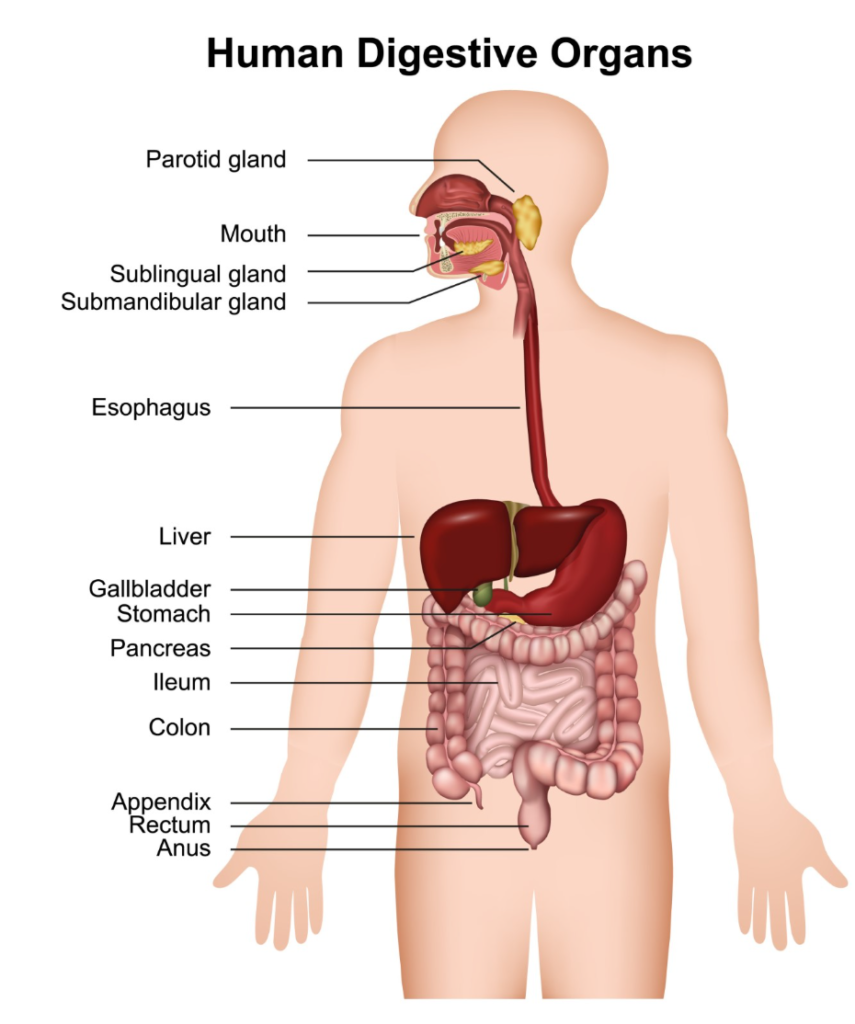
If an individual stops eating gluten before testing, the levels of tissue transglutaminase (tTG) antibodies in the blood will gradually return to normal, and the damaged intestinal villi will begin to heal. This can lead to a negative test result even if the underlying condition is present, making it impossible for clinicians to confirm the diagnosis.
The impact of gluten removal on serological blood tests
Blood tests for coeliac disease look for specific proteins produced by the immune system when it encounters gluten. For these markers to be detectable in a laboratory, the immune system must be consistently producing them in response to a dietary challenge. NICE guidelines state that people should not start a gluten free diet until the diagnosis is confirmed because the sensitivity of these tests drops significantly once gluten is excluded. A premature shift to a gluten free lifestyle can mask the condition, leaving individuals without the formal medical recognition required for long term monitoring and nutritional support.
Why the small bowel biopsy requires active gluten exposure
A confirmatory biopsy involves taking small samples of the intestinal lining to look for the structural damage characteristic of coeliac disease. When gluten is removed from the diet, the small intestine has a remarkable ability to repair itself, often beginning to look healthy within weeks of starting a gluten free lifestyle. A biopsy is often carried out in hospital to confirm the diagnosis of coeliac disease by identifying villous atrophy. If the biopsy is performed after the gut has already started to heal, the specialist may not find the evidence needed to confirm the condition, leading to an inconclusive or incorrect clinical outcome.
Standard clinical requirements for the gluten challenge
In the UK, healthcare professionals follow specific protocols to ensure that testing is as accurate as possible. According to the National Institute for Health and Care Excellence, a gluten-containing diet should be maintained for at least six weeks prior to testing , with gluten included in more than one meal every day. This ensures that the immune system is sufficiently challenged and that the blood antibody levels and intestinal changes are at their most detectable levels. If an individual has already stopped eating gluten, they are usually advised to reintroduce it for this specific period before the blood draw or biopsy takes place.
Conclusion
Gluten must be consumed before coeliac testing because the diagnostic marker, both in the blood and the intestinal tissue, are only present during an active autoimmune reaction. Prematurely removing gluten from the diet can lead to false negative results and prevent a formal clinical diagnosis from being reached. Adhering to the standard six week gluten challenge is the only way to ensure that tests accurately reflect the state of the body health. If you experience severe, sudden, or worsening symptoms, call 999 immediately.
What happens if I already stopped eating gluten?
You will likely need to reintroduce gluten into your diet for at least six weeks before clinical tests can be performed accurately.
How much gluten do I need to eat for the test to work?
Standard UK advice usually suggests eating some gluten in at least two meals a day during the six week challenge period.
Will I feel unwell during the gluten challenge?
Many people do experience a return of symptoms when reintroducing gluten, which is why the process should be monitored by a GP.
Can I use gluten-free versions of food for the challenge?
No, the challenge requires foods that contain wheat, barley, or rye to trigger the necessary immune response for detection.
Does the gluten challenge apply to children as well?
Yes, children must also be consuming gluten regularly for their antibody blood tests or biopsies to be clinically valid.
What if I cannot tolerate eating gluten for six weeks?
If the symptoms are severe, you must discuss this with your GP or specialist, as they may suggest an alternative diagnostic pathway.
Is it safe to do a gluten challenge if I am very ill?
The safety of a gluten challenge depends on your individual health status, so it must always be conducted under professional medical supervision.
Authority Snapshot (E-E-A-T Block)
This article provides educational information on the clinical requirements for coeliac disease testing in the UK. The content has been authored by the Medical Content Team and reviewed by Dr. Stefan Petrov, a UK-trained physician, to ensure complete alignment with current NHS and NICE clinical guidance. Our purpose is to help the general public understand the biological necessity of diagnostic protocols through factual and restrained reporting.



