




Coeliac disease is a lifelong autoimmune condition where the immune system attacks the body own tissues when gluten is consumed. Currently, there is no medication or surgical procedure that can cure the condition or prevent the immune reaction from occurring. Instead, management focuses entirely on removing the trigger that causes the intestinal damage and systemic symptoms. By adhering to specific dietary changes, individuals can allow their digestive system to heal and significantly reduce the risk of long term health complications. In the United Kingdom, treatment pathways are strictly defined by clinical guidelines to ensure patients receive consistent support, nutritional advice, and regular health monitoring.
What We’ll Discuss in This Article
- The role of the gluten free diet as the primary treatment
- How removing gluten allows the intestinal lining to heal
- Common foods and hidden sources of gluten to avoid
- The importance of nutritional supplements for deficiencies
- Long term clinical monitoring and annual health reviews
- Managing accidental gluten exposure and cross contamination
The only effective treatment for coeliac disease is a strict and lifelong gluten free diet
The primary way to manage coeliac disease is to completely remove gluten from the diet to prevent the autoimmune system from attacking the small intestine. There is no cure for coeliac disease, but following a gluten free diet should help control symptoms and prevent long term damage.
Gluten is a protein found naturally in wheat, barley, and rye, which are common ingredients in bread, pasta, and many processed foods. For the treatment to be successful, even trace amounts of gluten must be avoided, as the immune system remains sensitised to the protein for life and will react whenever it is encountered.
How the gluten free diet promotes intestinal healing
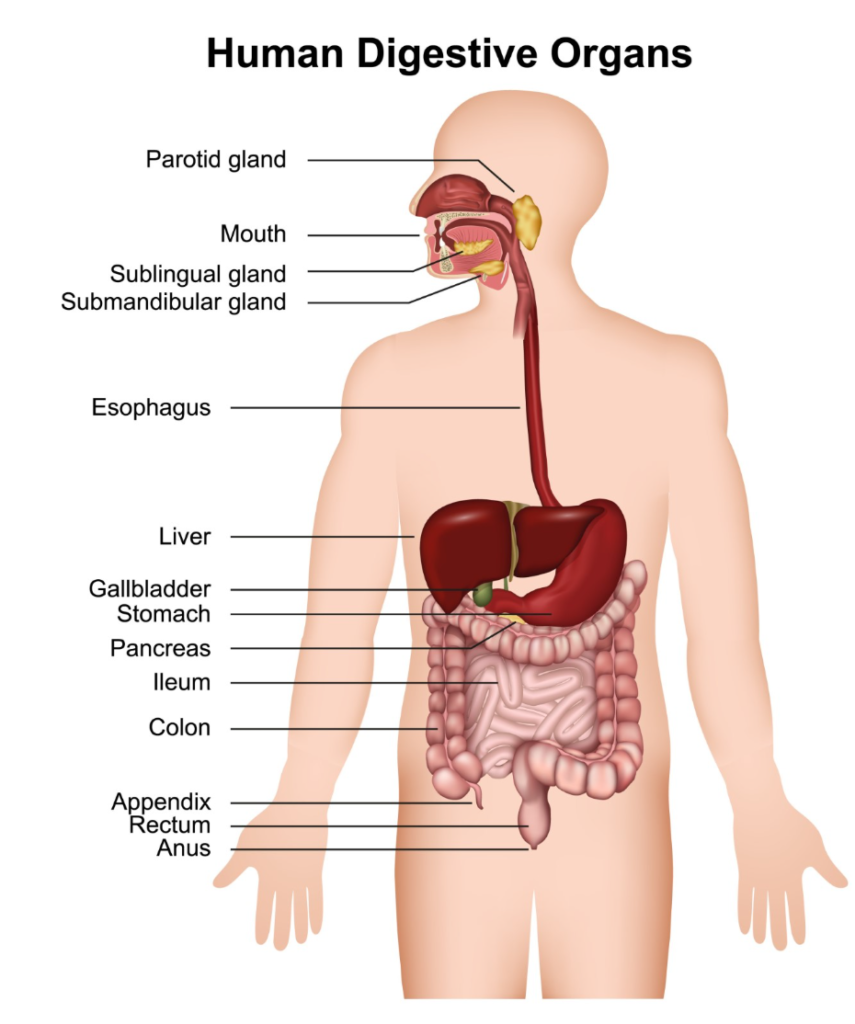
When gluten is removed from the diet, the inflammation in the small intestine begins to subside, allowing the damaged intestinal villi to regrow and function normally. Following a gluten free diet will eventually lead to the small intestine healing and improving the body ability to absorb essential nutrients. Most individuals notice a significant improvement in their symptoms within a few weeks of starting the diet, although complete internal healing of the gut lining can take several months or, in some cases, up to two years. Consistent adherence is vital, as returning to a diet containing gluten will cause the damage and symptoms to return.
Managing nutritional deficiencies and supplements
Because coeliac disease often leads to malabsorption before diagnosis, treatment frequently includes the use of supplements to correct existing nutritional deficiencies. According to the National Institute for Health and Care Excellence, people with coeliac disease should be screened for deficiencies in iron, vitamin B12, folate, calcium, and vitamin D. Depending on the results of clinical blood tests, a GP or specialist may prescribe specific high dose supplements to help the body recover its stores while the intestinal lining is still in the process of healing. This support is essential for resolving symptoms like extreme fatigue and for protecting long term bone health.
Long term clinical monitoring and annual reviews
Treatment for coeliac disease in the UK includes regular follow up appointments to monitor the effectiveness of the gluten free diet and to screen for potential complications. During these annual reviews, healthcare professionals typically perform blood tests to check antibody levels and ensure that the autoimmune response is decreasing. They also monitor the patient weight, growth in children, and may suggest bone density scans if there are concerns about osteoporosis. This ongoing clinical supervision ensures that any issues with dietary adherence or nutrient absorption are identified early and managed appropriately by the medical team.
Conclusion
The only treatment for coeliac disease is the strict, lifelong adoption of a gluten free diet to allow the intestinal lining to heal and prevent further autoimmune damage. While this requires significant lifestyle changes, it is highly effective at resolving symptoms and restoring the body ability to absorb essential nutrients. Ongoing medical support and regular health reviews are vital components of successful long term management. If you experience severe, sudden, or worsening symptoms, call 999 immediately.
Can I ever eat gluten again once the gut has healed?
No, coeliac disease is a lifelong condition, and eating gluten at any time will retrigger the immune response and cause the damage to return.
Is there a pill I can take to help digest gluten?
There are currently no approved medications or enzymes that allow people with coeliac disease to safely consume gluten.
Do I need to see a dietitian after my diagnosis?
Yes, UK clinical guidelines recommend a referral to a specialist dietitian to help you understand the gluten free diet and avoid hidden sources.
What should I do if I accidentally eat gluten?
You should return to your strict gluten free diet immediately; while you may experience temporary symptoms, the gut will begin to heal again.
Are gluten free foods available on prescription?
In some areas of the UK, certain gluten free staples like bread and flour may be available on prescription for confirmed coeliac patients.
Does a gluten free diet help with the skin rash?
Yes, the skin manifestation known as dermatitis herpetiformis is treated through the same strict gluten free diet.
Can I use the same toaster as people who eat gluten?
Cross contamination is a risk, so it is often recommended to use separate toasters or toaster bags to avoid trace amounts of gluten.
Authority Snapshot (E-E-A-T Block)
This article provides educational information on the clinical treatment of coeliac disease for the general public. The content has been reviewed by Dr. Rebecca Fernandez, a UK-trained physician with extensive experience in internal medicine and emergency care, to ensure complete alignment with NHS and NICE clinical guidance. Our purpose is to help patients understand the lifelong management of autoimmune conditions through factual and restrained reporting.



