




Gastro-oesophageal reflux, gastritis, and stomach ulcers are prevalent digestive conditions that can affect individuals across all age groups and backgrounds. While these conditions are distinct in their anatomical impact, they often share common risk factors related to lifestyle choices, biological predispositions, and the use of specific medications. In the United Kingdom, healthcare professionals identify high-risk groups to implement early intervention strategies and prevent the progression of symptoms into more serious clinical complications. Understanding who is most likely to develop these gastric issues is essential for maintaining long-term digestive health and ensuring that preventative measures are targeted effectively within the primary care setting.
What We’ll Discuss in This Article
- General risk factors across all age groups
- The impact of weight and pregnancy on digestive health
- How age and medical history influence gastric vulnerability
- The role of common medications in increasing risk
- Environmental and lifestyle factors such as smoking and alcohol
- Specific groups prone to bacterial infections like H. pylori
Anyone can develop these digestive conditions, but specific lifestyle and physical factors significantly increase the likelihood of occurrence
Digestive issues like reflux, gastritis, and ulcers do not discriminate, though they are more frequently observed in individuals with certain physical profiles or habits.
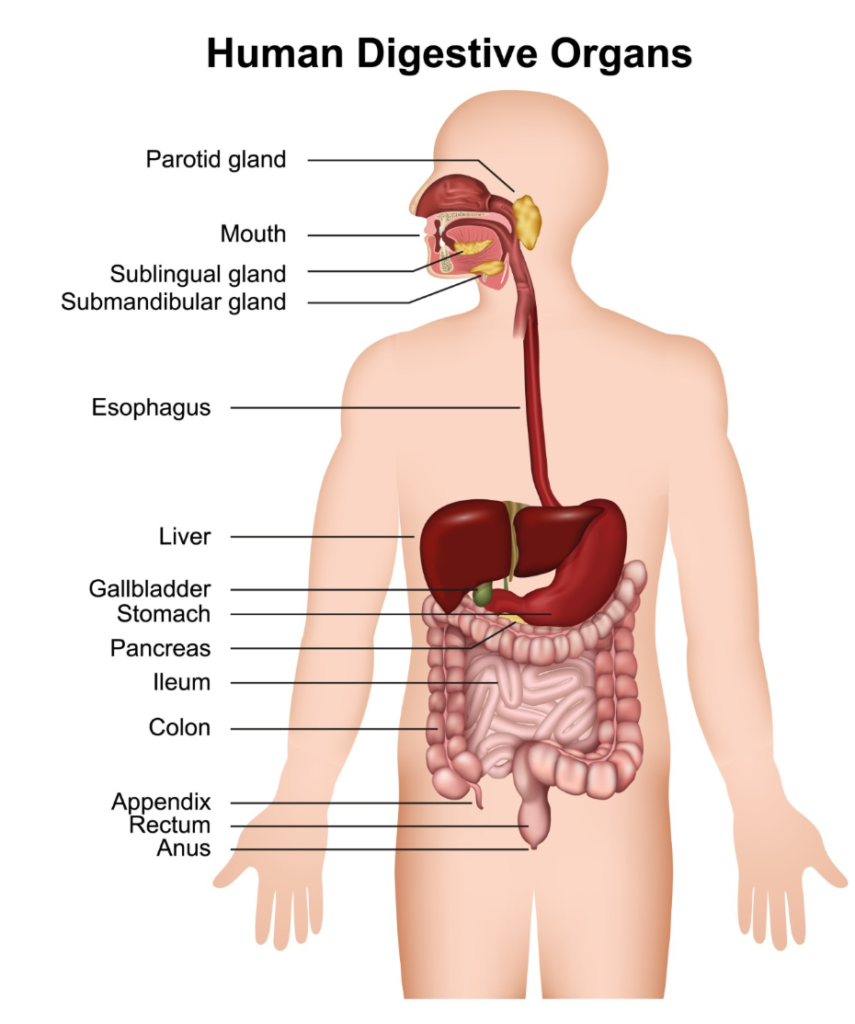
Heartburn and acid reflux are common symptoms that can affect anyone but are particularly prevalent in those who experience increased abdominal pressure or have a weakened oesophageal valve. Similarly, the integrity of the stomach lining can be compromised by external irritants or internal immune responses. While some triggers are temporary and manageable, others are related to long term health status or necessary medical treatments that require clinical oversight to mitigate risks.
Impact of weight and pregnancy on reflux risk
Individuals who are overweight or obese are at a significantly higher risk of developing gastro-oesophageal reflux disease (GORD) due to the increased pressure exerted on the stomach. This mechanical pressure can force stomach acid upward into the food pipe, especially after large meals. Being overweight can increase the pressure on your stomach and lead to reflux, making weight management a cornerstone of treatment in the UK. Similarly, pregnant women often experience temporary but severe reflux. This is caused by hormonal changes that relax the digestive muscles and the physical presence of the growing baby pressing against the stomach, though symptoms usually resolve after childbirth.
Age and medical history as vulnerability factors
As people age, the muscular valve at the bottom of the oesophagus may naturally weaken, making older adults more prone to reflux. Additionally, the stomach lining may thin over time, increasing the risk of chronic gastritis. According to the National Institute for Health and Care Excellence, older age is a recognised risk factor for gastric complications, particularly when combined with other health conditions. Those with a history of hiatus hernia or a family history of digestive issues are also statistically more likely to experience these conditions. Clinical monitoring for these groups is essential to identify early signs of tissue erosion or inflammation before they manifest as painful sores.
Risks associated with specific medications
The use of certain pharmaceutical agents is one of the most common ways an individual can develop gastritis or a stomach ulcer. Non-steroidal anti-inflammatory drugs (NSAIDs), such as ibuprofen or aspirin, are used by millions in the UK but can severely irritate the stomach lining if taken frequently or at high doses. Regularly taking anti-inflammatory drugs can lead to stomach ulcers by interfering with the production of protective mucus. Other medications, including certain steroids and some treatments for osteoporosis, can also contribute to gastric vulnerability. Patients on long term courses of these drugs are often prescribed additional medication to protect the stomach wall.
Lifestyle habits: smoking and alcohol
Environmental triggers such as tobacco use and alcohol consumption are major contributors to the development of all three conditions. Smoking reduces the production of saliva, which neutralises acid, and chemically relaxes the valve between the stomach and the oesophagus. Alcohol acts as a direct irritant to the stomach lining, which can trigger acute episodes of gastritis and prevent existing ulcers from healing. These habits create a hostile environment for the digestive tract, increasing both the frequency of symptoms and the risk of long-term cellular damage. Reducing or eliminating these irritants is a primary recommendation in NHS lifestyle guidance for gastric health.
Conclusion
Risk factors for reflux, gastritis, and stomach ulcers include being overweight, pregnancy, advanced age, and the use of common anti-inflammatory medications. Lifestyle choices like smoking and excessive alcohol consumption further increase the vulnerability of the digestive lining to acid damage. While anyone can experience these issues, identifying personal risk factors allows for better preventative care and more effective symptom management. If you experience severe, sudden, or worsening symptoms, call 999 immediately.
Can children develop stomach ulcers?
Yes, while less common than in adults, children can develop ulcers, usually due to an H. pylori infection or the use of certain medications.
Is it true that spicy food causes ulcers?
Spicy food does not cause ulcers, but it can significantly irritate an existing ulcer or worsen symptoms of gastritis and reflux.
Does stress make me more likely to get gastritis?
Emotional stress is not a primary cause, but severe physiological stress from major illness or injury can lead to acute gastric inflammation.
Are men more likely to get these conditions than women?
Reflux and ulcers are common in both genders, though men may have a slightly higher incidence of certain types of peptic ulcers.
Can a family history of ulcers increase my risk?
Yes, if your close relatives have had H. pylori infections or ulcers, you may have a higher genetic or environmental risk.
Does drinking coffee increase my risk for GORD?
Caffeine can relax the oesophageal valve, so those who consume high amounts of coffee may be more prone to reflux symptoms.
Will my risk decrease if I lose weight?
Yes, reducing excess weight is one of the most effective ways to lower the pressure on your stomach and reduce reflux episodes.
Authority Snapshot (E-E-A-T Block)
This article was developed by the Medical Content Team to help the general public identify risk factors for common digestive ailments. The content has been reviewed by Dr. Rebecca Fernandez, a UK-trained physician, to ensure absolute alignment with NHS and NICE clinical guidance. Our purpose is to provide factual, restrained, and evidence-based information to support better health awareness and prevention.



