




Whether a brain tumour can be cured depends on the tumour type, its grade, and its location, with some benign tumours being potentially curable through surgery alone. In the United Kingdom, healthcare professionals often use the term “remission” or “stable disease” for more complex growths, indicating that the tumour is no longer growing or has been successfully managed. The NHS and NICE provide structured evidence-based care pathways designed to achieve the best possible long-term outcomes while preserving neurological health. Every case is unique and managed by a multidisciplinary team of specialists to ensure treatment is tailored to the individual. Understanding the factors that influence long-term health is essential for patients and families navigating the complexities of a diagnosis within the UK healthcare system. This article explores the definitions of a cure in neuro-oncology, the role of tumour grading, and the integrated support provided to manage the condition over time.
What We’ll Discuss in This Article
- The clinical distinction between a cure, remission, and stable disease.
- How the World Health Organisation grading system affects the long-term outlook.
- The role of surgery in achieving potential cures for benign tumours.
- Why high-grade tumours often require long-term management instead of a definitive cure.
- The importance of molecular markers in predicting treatment success.
- How the NHS manages long-term follow-up and clinical surveillance.
Clinical Definitions of a Cure and Remission
In the context of brain tumours, a cure is generally defined as the complete removal or eradication of the mass with no evidence of it returning over a long period. However, because some tumours can recur many years later, UK clinicians often prefer to use terms like “remission” or “no evidence of disease” following successful treatment. The NHS states that while some brain tumours can be cured, others may come back after treatment or may be difficult to treat completely.
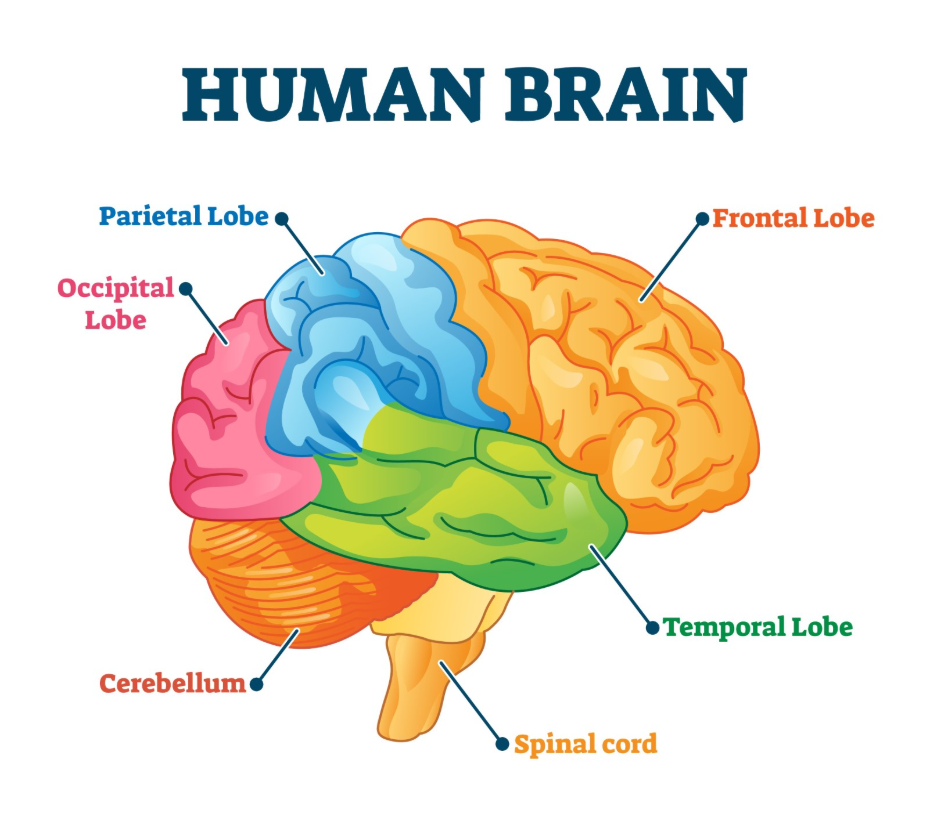
The likelihood of achieving a cure is highest for benign, well-defined tumours that are located in accessible areas of the brain. For more infiltrative or high-grade tumours, the focus of the clinical team shifts toward long-term management and maintaining a high quality of life. In the United Kingdom, the progress of a patient is monitored through regular neuroimaging to ensure the condition remains stable. This integrated approach acknowledges that for many neurological growths, success is measured by the ability to live well and maintain function over several decades. By using these precise terms, medical teams provide a realistic and factual framework for patients to understand their health status throughout the clinical journey.
The Influence of WHO Grading on Long-term Outcomes
The World Health Organisation grading system is a primary factor used in the United Kingdom to determine if a brain tumour is potentially curable or if it will require ongoing management. Grade 1 tumours are considered non-cancerous and slow-growing, often offering the best possibility of a permanent cure if they can be fully removed. NICE clinical guidelines for brain tumours indicate that the grade of the tumour is essential for determining the initial management plan and the frequency of long-term monitoring.
| WHO Grade | Characteristic | Curability Outlook in UK |
| Grade 1 | Slow growing; distinct borders. | High potential for a cure with full surgical removal. |
| Grade 2 | Slow growing; can be infiltrative. | Often managed as a long-term condition; risk of recurrence. |
| Grade 3 | Fast-growing; malignant. | Requires intensive multi-modal treatment to achieve remission. |
| Grade 4 | Aggressive; rapidly dividing. | Managed as a chronic condition with a focus on control. |
Higher-grade tumours (Grades 3 and 4) are biologically more complex and tend to send microscopic cells into the surrounding healthy brain tissue. This infiltrative nature makes a total physical cure more difficult to achieve, as some cells may remain even after successful surgery. In the UK, these cases are managed with a combination of surgery, radiotherapy, and chemotherapy. The goal is to induce a long-term remission where the tumour is no longer active. Understanding these grades helps patients align their expectations with the biological reality of the tumour type.
The Role of Surgery in Achieving a Cure
Neurosurgery provides the most direct path to a potential cure for many brain tumours in the United Kingdom, especially when the growth has clear margins and is not intertwined with critical structures. A “gross total resection” means the surgeon has removed all visible parts of the tumour, which significantly reduces the risk of it returning. The GOV.UK health pages provide clinical profiles indicating that maximal safe resection is the standard goal for surgeons in the UK to improve long-term survival and potential for cure.
If a tumour is benign, such as a Grade 1 meningioma or an acoustic neuroma, a successful operation can often lead to a permanent cure. However, if the tumour is located in an “eloquent” area responsible for vital functions like speech or movement, the surgeon may prioritize functional safety over total removal. In such instances, a sub-total removal is performed, and the remaining tissue is managed through other clinical means. Even if a 100% cure is not immediately achieved through surgery, reducing the tumour burden is a vital step in making subsequent treatments more effective. The NHS ensures that these complex decisions are made by a multidisciplinary team to balance the benefits of removal with the preservation of patient health.
High-grade Tumours and Long-term Management
High-grade or malignant brain tumours are often managed as long-term or chronic conditions in the United Kingdom rather than being addressed with a single curative event. Because these tumours are aggressive and prone to recurrence, the clinical team uses a series of treatments to keep the disease in check and prevent it from progressing. This integrated management approach combines initial surgery with targeted radiotherapy and chemotherapy regimens.
The objectives of managing high-grade tumours include:
- Inducing Remission: Using treatment to make the tumour disappear from scans for as long as possible.
- Symptom Control: Reducing the physical and neurological impact of the growth.
- Maintaining Stability: Using regular monitoring to detect any changes early.
- Preserving Function: Ensuring the patient remains as independent as possible.
While a definitive “cure” in the traditional sense may be rarer for Grade 4 tumours like glioblastomas, many patients achieve periods of stability where the condition is well-controlled. In the UK, the focus of the multidisciplinary team is on extending these periods of remission. Continuous support from specialist nurses and oncologists ensures that the management plan is adjusted as the clinical picture evolves, providing a consistent safety net for the patient.
Molecular Markers and Personalised Outlooks
Modern neuro-oncology in the United Kingdom uses molecular markers and genetic testing to provide a more accurate outlook on whether a tumour will respond well to treatment and potentially enter long-term remission. These markers are identified through laboratory analysis of the tumour tissue and provide details that cannot be seen through a microscope alone. Some genetic signatures indicate that a tumour is highly sensitive to certain medications, increasing the likelihood of successful management.
Key molecular factors considered in the UK include:
- IDH Mutation: Often associated with a better response to treatment and a more positive prognosis.
- 1p/19q Codeletion: A marker that suggests a tumour may be more effectively controlled over many years.
- MGMT Methylation: Indicates a higher probability of the tumour responding to specific chemotherapy drugs.
By integrating these molecular “fingerprints” into the diagnostic process, the NHS provides a more personalised approach to care. This shift toward precision medicine means that two patients with the same “type” of tumour may have different outlooks based on their genetics. This depth of information allows UK specialists to select treatments with the highest chance of achieving stability or remission, moving away from a one-size-fits-all approach.
Long-term Follow-up and Clinical Surveillance
Reaching the end of active treatment is a significant milestone, but the NHS maintains a structured follow-up pathway to monitor for any signs of recurrence and to manage the long-term health of the patient. This clinical surveillance is essential because some tumours can return or change even after a long period of stability. Regular MRI scans and specialist consultations are the primary tools used in the United Kingdom to ensure ongoing health.
The UK follow-up framework involves:
- Regular Neuroimaging: Scheduled scans to check the tumour site.
- Neurological Assessments: Monitoring physical and cognitive function over time.
- Specialist Nurse Support: Providing a consistent point of contact for any concerns.
- Coordinated Reviews: Re-evaluating the management plan through the multidisciplinary team if needed.
This longitudinal care ensures that any changes are identified early, providing the best opportunity for further intervention if necessary. For those who have achieved a potential cure for a benign tumour, the frequency of scans may eventually decrease. For those in remission from high-grade tumours, vigilance remains a priority. This integrated system of care provides reassurance and a clear clinical structure for patients as they navigate life after their initial treatment.
Conclusion
Whether a brain tumour can be cured depends on its grade, location, and biological markers, with benign Grade 1 tumours offering the highest potential for a permanent cure. For more aggressive or infiltrative types, the NHS focuses on achieving long-term remission and maintaining functional independence through an integrated management plan. Advances in molecular testing are helping UK clinicians tailor treatments more precisely to improve these outcomes. Consistent follow-up and monitoring are vital components of the clinical pathway to ensure any changes are managed promptly. The multidisciplinary team provides a continuous framework of support to help patients achieve the best possible quality of life. If you experience severe, sudden, or worsening symptoms, call 999 immediately.
What is the difference between being “cured” and being in “remission”?
A cure means the tumour is gone and not expected to return, while remission means the tumour is currently not active or visible on scans.
Can a benign brain tumour come back after it is cured?
While the risk is low for benign tumours that are fully removed, there is always a small possibility, which is why UK doctors still use follow-up scans.
Why do some people need chemotherapy after surgery if the surgeon got the whole tumour?
Chemotherapy is used to target any microscopic cells that might remain and cannot be seen on a scan, helping to prevent a recurrence.
Will a Grade 4 tumour ever be considered cured?
Clinicians usually avoid the word “cure” for Grade 4 tumours, focusing instead on long-term control and extending periods of remission.
How long must I be stable before I am considered “cured”?
There is no fixed time, but many specialists consider 5 to 10 years of stable scans as a significant milestone in long-term health.
Can my lifestyle affect the chances of a cure?
Maintaining your general health can help you tolerate treatments better, but the primary factors in a cure remain the tumour type and treatment response.
How do I find out my specific chances of a cure?
You should discuss your pathology report and molecular markers with your UK consultant, who can provide an outlook based on your unique case.
Authority Snapshot (E-E-A-T)
This article provides medically factual health education regarding the potential for curing brain tumours, strictly aligned with NHS and NICE clinical guidelines. The content is developed by a professional medical writing team and reviewed by Dr. Rebecca Fernandez, a UK-trained physician with extensive experience in general surgery, cardiology, emergency medicine, and psychiatry. All information follows current UK public health protocols to ensure clinical accuracy and patient safety.



