




A benign brain tumour has the potential to transform into a malignant growth, although this clinical progression varies significantly depending on the specific tumour type and its genetic characteristics. In the United Kingdom, healthcare professionals use the term “malignant transformation” to describe the process where a slow-growing, low-grade mass develops the aggressive features of a high-grade cancer. While many benign tumours remain stable for decades, others require consistent monitoring through the NHS to detect any early signs of biological change. This transition is often driven by cumulative genetic mutations that alter how the cells divide and invade surrounding brain tissue. By following evidence-based protocols from NICE, multidisciplinary teams coordinate long-term surveillance to ensure that any shift in tumour behaviour is identified promptly. Understanding the risks and the clinical markers of transformation is an essential part of the long-term management pathway for patients in the UK. This article explores the factors influencing tumour progression, the role of grading, and the integrated support provided within the UK healthcare system.
What We’ll Discuss in This Article
- The clinical definition of malignant transformation in brain tumours.
- How the World Health Organisation grading system tracks progression.
- Specific tumour types most associated with biological changes.
- The role of genetic mutations and molecular markers in transformation.
- How the NHS monitors for signs of change through neuroimaging.
- Integrated management strategies for tumours that show increased aggression.
Understanding Malignant Transformation
Malignant transformation occurs when the cells within a previously slow-growing, benign tumour undergo genetic changes that cause them to divide more rapidly and invade healthy brain tissue. In the United Kingdom, this process is most commonly observed in certain types of low-grade gliomas, which may remain stable for many years before showing signs of increased aggression. The NHS states that while low-grade tumours are not cancerous, they can sometimes grow back and turn into high-grade tumours.
When a tumour transforms, it often leads to a change in the symptoms experienced by the patient, such as more frequent seizures or new neurological deficits. Clinicians in the UK distinguish between “stable” low-grade disease and “progressive” disease through regular clinical assessments and imaging. This biological shift is not inevitable for all benign tumours, but the possibility necessitates a cautious and long-term approach to care. The multidisciplinary team evaluates the risk of transformation for each individual, considering factors such as the tumour’s location and its initial molecular profile. By acknowledging this potential for change, the UK healthcare system provides a robust framework for continuous surveillance and early intervention.
The Role of WHO Grading in Tracking Progression
The World Health Organisation (WHO) grading system is used in the United Kingdom to classify tumours from Grade 1 to Grade 4, providing a standardised way to monitor for malignant transformation over time. Benign or low-grade tumours are typically classified as Grade 1 or 2, while malignant or high-grade tumours are Grade 3 or 4. NICE clinical guidelines for brain tumours indicate that any change in the WHO grade of a tumour requires a review of the management plan by the multidisciplinary team.
| Initial WHO Grade | Typical Behaviour | Risk of Transformation |
| Grade 1 | Slowest growth; well-defined. | Very low risk of becoming malignant. |
| Grade 2 | Slow growth; can be infiltrative. | Moderate risk of transforming over several years. |
| Grade 3 | Fast-growing; malignant. | Already considered high-grade. |
| Grade 4 | Most aggressive; malignant. | Already considered high-grade. |
A transformation usually involves a tumour moving from a Grade 2 to a Grade 3 or 4. Pathologists in the UK identify this change by looking for increased “mitotic activity” (cell division) and other signs of aggression in tissue samples. For patients with a Grade 2 tumour, the goal of the NHS monitoring pathway is to detect this shift before the tumour becomes too difficult to manage. This grading framework ensures that clinical decisions are based on the most current biological status of the growth, allowing for a proportionate response to any changes in tumour behaviour.
Tumour Types Associated with Change
Certain types of primary brain tumours are more prone to malignant transformation than others, with gliomas being the group most frequently associated with this clinical progression. For example, a diffuse astrocytoma (Grade 2) has a known risk of eventually becoming a glioblastoma (Grade 4). In contrast, many other benign tumours, such as most meningiomas or acoustic neuromas, rarely undergo such a drastic biological shift.
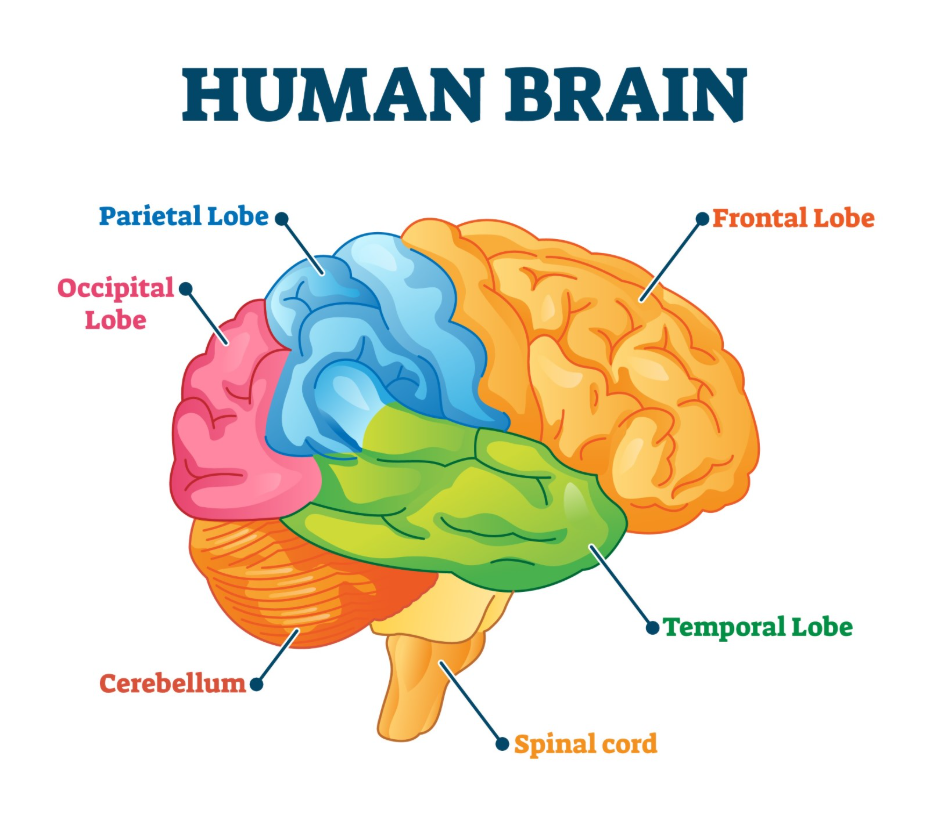
Common tumour behaviours in the UK include:
- Low-grade Gliomas: These have the highest recognised risk of transforming into higher-grade versions over time.
- Meningiomas: Most remain Grade 1 (benign), though a small percentage can become atypical (Grade 2) or anaplastic (Grade 3).
- Pituitary Adenomas: These are almost always benign and very rarely show malignant characteristics.
- Acoustic Neuromas: These are benign growths on the hearing nerve and do not typically turn malignant.
In the United Kingdom, identifying the specific “type” of tumour at diagnosis is essential for predicting its long-term path. Specialists use this information to determine how often a patient needs a follow-up MRI scan. For tumour types with a higher risk of transformation, the monitoring is more frequent and continues for many years. This proactive approach ensures that the NHS focuses its surveillance resources on the conditions that require the highest level of vigilance.
Genetic Mutations and Molecular Markers
The process of a benign tumour turning malignant is driven by the accumulation of specific genetic mutations that alter the normal “control systems” of the cells. In the United Kingdom, molecular markers are used to identify tumours that might be more likely to undergo this transformation. The GOV.UK health pages provide clinical profiles indicating that genomic testing of tumour tissue is a vital part of predicting tumour behaviour and progression in the UK.
Important molecular factors include:
- IDH Mutation: Often found in low-grade gliomas that may eventually transform.
- 1p/19q Codeletion: Usually indicates a specific type of tumour that may grow more slowly.
- TP53 Mutation: A genetic change often associated with the progression toward higher-grade tumours.
- CDKN2A/B Deletion: A marker that can signal an increased risk of more aggressive behaviour.
By analysing these markers during the initial biopsy or surgery, UK clinicians can gain insights into the “future” of the tumour. Some genetic signatures suggest a tumour is more stable, while others indicate a higher likelihood of transformation. This depth of diagnostic information allows for more personalised monitoring. If a tumour is identified as being at higher risk for change, the multidisciplinary team may recommend earlier or more intensive treatment, such as radiotherapy, to delay or prevent the transition to a malignant state.
Monitoring for Signs of Malignant Change
In the United Kingdom, the primary method for detecting malignant transformation is through regular Magnetic Resonance Imaging (MRI) scans and the close monitoring of clinical symptoms. A shift toward malignancy often manifests on a scan as “contrast enhancement,” which occurs when the tumour develops a more aggressive blood supply that absorbs the contrast dye.
Signs of potential transformation monitored by UK specialists include:
- Rapid Growth: A noticeable increase in the size of the mass between scheduled scans.
- Contrast Enhancement: New areas of the tumour “lighting up” on the MRI image.
- Increased Swelling: More fluid (oedema) in the brain tissue surrounding the tumour.
- New Symptoms: Worsening headaches, new seizures, or changes in physical strength or speech.
If any of these signs appear, the multidisciplinary team in the NHS will re-evaluate the case. This may lead to a second biopsy or surgery to confirm if the grade has changed. This “safety netting” ensures that even if a tumour was originally classified as benign, the patient remains under professional oversight. Regular consultations with a specialist nurse or consultant allow for the prompt reporting of any subtle changes in wellbeing that might indicate a biological shift.
Integrated Management of Progressive Tumours
When a benign tumour shows signs of turning malignant, the management strategy in the United Kingdom shifts from monitoring to active, multi-modal treatment. This often involves a combination of further surgery to remove as much of the aggressive tissue as possible, followed by radiotherapy and chemotherapy. The goal is to regain control over the growth and address the more rapidly dividing cells.
The UK management pathway for transformed tumours includes:
- Multidisciplinary Review: Specialists discussing the best sequence of new treatments.
- Surgical Resection: Aiming for maximal safe removal of the high-grade areas.
- Oncology Referral: Starting radiotherapy or chemotherapy targeted at high-grade cells.
- Supportive Care: Accessing neurorehabilitation to manage any new neurological impacts.
This integrated approach ensures that the transition in care is seamless and based on the latest evidence. In the UK, patients who experience a malignant transformation have access to the same specialist support as those diagnosed with high-grade tumours from the outset. While a shift in the tumour’s biology is a serious clinical development, the NHS provides a comprehensive framework of treatments and support services to help patients manage the condition effectively.
Conclusion
While many benign brain tumours remain stable for life, some have the potential to undergo malignant transformation and become more aggressive. In the UK, the NHS monitors for these changes through regular MRI scans, clinical reviews, and the analysis of molecular markers. Tumour grading provides a standardised way to track this progression, with low-grade gliomas carrying the most recognised risk of transformation. Identifying the signs of change early allows the multidisciplinary team to adjust the management plan and implement active treatments like surgery or radiotherapy. Every patient with a benign tumour follows a tailored surveillance pathway to ensure their long-term health is prioritised. If you experience severe, sudden, or worsening symptoms, call 999 immediately.
Does every benign brain tumour turn malignant?
No; many benign tumours, such as Grade 1 meningiomas or acoustic neuromas, rarely turn malignant and often stay stable for many years.
How often will I need scans if my tumour is benign?
In the UK, this depends on the tumour type; initially, scans may be every 6 to 12 months, becoming less frequent if the area remains stable.
Can treatment prevent a benign tumour from becoming malignant?
Treatments like surgery or radiotherapy can reduce the number of cells and control growth, which may delay or prevent malignant progression in some cases.
What is the first sign that a tumour might be changing?
A new or changing symptom, such as a different type of headache or a new seizure, is often one of the first indicators reported to UK doctors.
Can a malignant tumour ever turn back into a benign one?
No; once a tumour has developed malignant features, its biology has changed permanently, and it will require high-grade management.
Why do I need genetic testing for a benign tumour?
Genetic markers help UK specialists understand the risk of transformation and decide how closely the tumour needs to be monitored.
If my tumour turns malignant, is it still the same tumour?
It is the same growth, but its “grade” has increased, meaning it is behaving more aggressively and needs different treatment.
Authority Snapshot (E-E-A-T)
This article provides medically factual health education regarding the potential for benign brain tumours to turn malignant, strictly aligned with NHS and NICE clinical guidelines. The content is developed by a professional medical writing team and reviewed by Dr. Rebecca Fernandez, a UK-trained physician with extensive experience in surgery, cardiology, emergency medicine, and psychiatry. All information follows current UK public health protocols to ensure clinical accuracy and patient safety.



